
REVIEW · USA BOOZY TOURS
10 Bar Hawaiian Craft Chocolate Tasting Experience
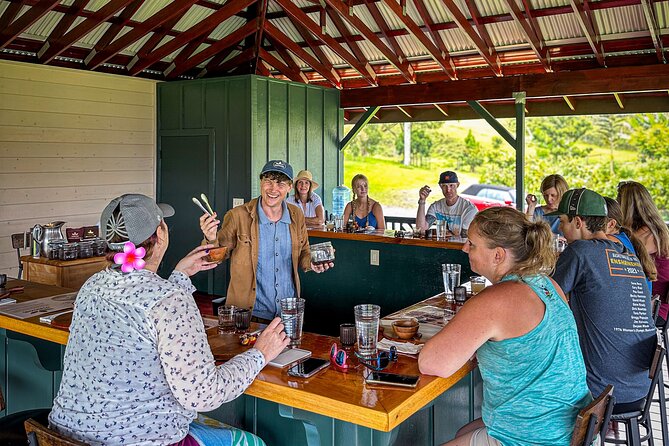
Chocolate tastes different when you meet the fruit. This 90-minute tasting at Honolii Orchards pairs a scenic drive above Hilo with fresh cacao, farm-grown fruit, and more than 10 single-origin Hawaiian chocolate bars. I like the small group limit of 15 people and the open-air setting above the Honolii River Valley, where Pacific views may include a breaching whale.
I also like that this is not just a parade of sweet samples. You learn how cacao traveled from South America to Hawaii, meet the people and farming methods behind the beans, and taste cacao in forms most chocolate fans never try. The main drawback is weather: rain can prevent a farm visit, and the rural drive and open-air tasting room may be less appealing on a wet day.
Key points to know before you book
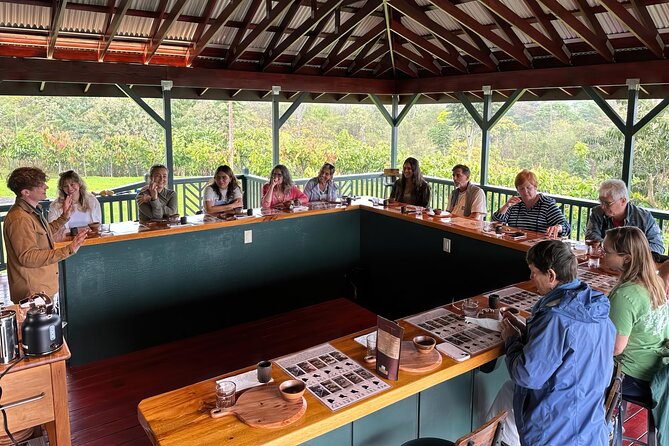
- Ten or more Hawaiian bars: Taste single-origin chocolate made with beans from farms across Hawaii, not one standard house bar repeated in different wrappers.
- Fresh cacao in several forms: Try cacao fruit, cacao juice, fermented beans, brewing chocolate, and cacao tea.
- A scenic Hilo-area setting: The farm sits above the Honolii River Valley, with views toward the Pacific Ocean.
- A 90-minute commitment: The short format fits neatly into a Hilo day without taking up half your afternoon.
- A small, personal group: The experience is limited to 15 people, with Jude receiving special praise for his clear, friendly hosting.
- Weather matters: Rain may cancel the farm portion or cause the experience to be canceled, with a new date or refund offered in that case.
The road from Hilo to a family cacao farm
The experience begins at 1533 Puia Road in Hilo. From there, you make your way up the lower slopes of Maunakea by way of quiet backroads, cattle pastures, and older macadamia orchards.
That drive is part of the appeal. You are not simply arriving at a shop in town for a flight of chocolate. The setting gives you a sense of how rural agriculture fits into the Big Island, where working farms, open pasture, and tropical crops share the same broad slopes.
The route is also worth keeping in mind when planning your day. This is a country outing, not a downtown Hilo activity that you can squeeze in between nearby shops. You need to reach the stated meeting point, and the experience ends there as well. Since the visit lasts about an hour and a half, it works well as a focused stop before or after other Hilo-area plans.
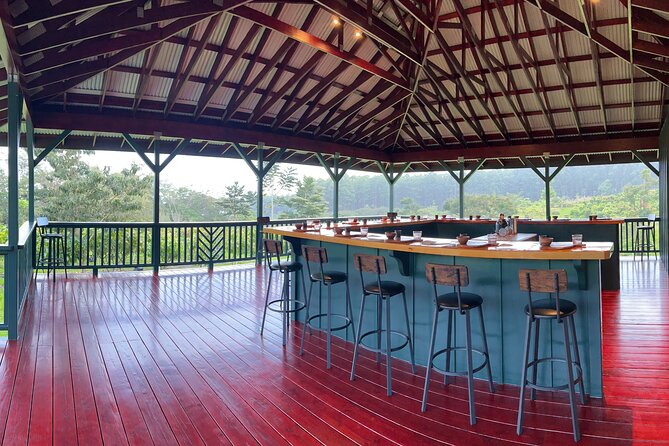
The farm is family-owned, and the tasting takes place in an open-air room above the tree canopy. That arrangement keeps the setting relaxed and lets the view do some of the work. You can look across the Honolii River Valley toward the ocean while learning about cacao instead of sitting inside a dark retail space.
On a clear day, the view may be one of the highlights. The description even notes the chance of spotting a breaching whale. That is a possibility, not a promise, so bring the right attitude: the chocolate is the sure thing, while the whale is a lucky bonus.
A few more boozy trips around the USA worth a look
- Santa Barbara: Chocolate Bar and Art Box Making Workshop
★ 5.0 · 31 reviews - Hungry Mary’s Famous Beer and Chocolate Tour in Brussels
★ 5.0 · 2,258 reviews - Epic Yarra Valley Wine Tour + Lunch, Chocolate & Gin/Beer Option
★ 5.0 · 1,819 reviews
Why the open-air tasting room matters
The setting changes the pace of the tasting. You are surrounded by the farm’s atmosphere before the first bar reaches your hand, and the open-air room connects the food to the place where it is grown.
I like this approach because chocolate can otherwise feel abstract. A single-origin label tells you where beans came from, but a farm setting gives the lesson a physical anchor. You see the kind of country where cacao and other crops are grown, then learn how beans move from fruit to fermented seed to finished bar.
There is a practical trade-off. Open-air spaces depend on conditions, and a rainy day can change the experience. One account describes missing the farm tour because of rain while still enjoying the views and tasting. That tells you two useful things: the tasting can continue in poor weather if conditions allow, but you should not assume every outdoor part will operate as planned.
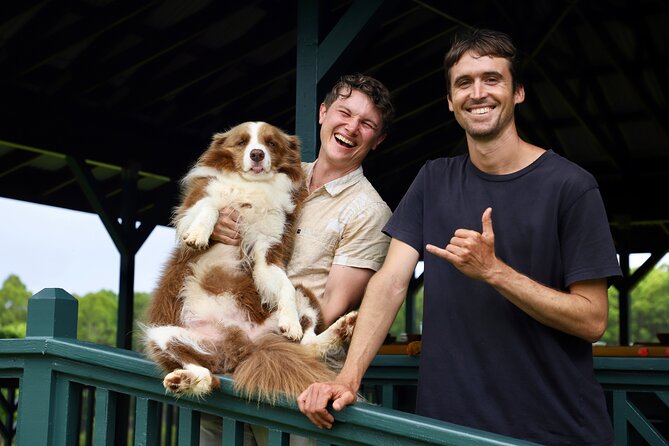
The group cap of 15 people is another advantage. It is small enough for a more personal presentation and questions, but not so intimate that you feel put on the spot. Jude, the host praised in the strongest feedback, brings a friendly and well-informed style to the subject. His presentation covers the farm, the cacao pods, the production process, and the less familiar ways to drink and eat cacao.
Fresh cacao fruit before the chocolate bars
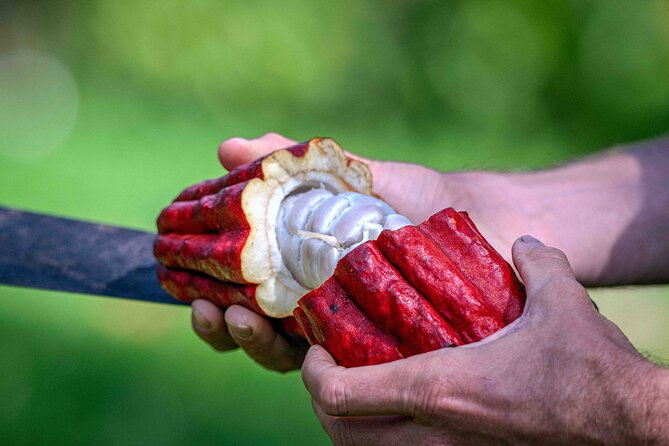
Before you reach the finished chocolate, you get a chance to taste cacao closer to its original form. The experience includes fresh cacao fruit varieties, fresh cacao juice, and fermented cacao beans.
This is where the tasting earns its price. Many chocolate tours stop at a finished bar. Here, you can compare the fruit and seed with the product most people know. The sweet pulp around the cacao beans is especially useful for understanding why cacao is more than a bitter raw ingredient.
The cacao juice is another unusual inclusion. It is described as a rare, sweet nectar that was valued before chocolate became the familiar food it is today. You also receive cacao tea and brewing chocolate, giving you a look at beverages made from cacao rather than only candy-style samples.
Fermented cacao beans may be the biggest surprise for first-time tasters. Fermentation is part of how cacao develops the qualities needed for chocolate making, so tasting the beans at this stage helps connect the farm product with the bars that come later.
Seasonal fruit from the farm may also be served, including lychee, rambutan, and mangosteen. Fresh sugar cane is included as well. These additions keep the tasting from becoming a one-note sugar rush and show how the farm’s food extends beyond cacao.
Availability of seasonal fruit can change. Lychee, rambutan, and mangosteen are listed as examples, so you should not expect every fruit at every visit.
Ten or more bars from around Hawaii
The main event is a tasting of at least 10 exclusive single-origin bars. Each bar uses beans from farms around Hawaii, allowing you to compare how origin and production choices affect the finished flavor.
The phrase single-origin matters here. You are not simply trying ten versions of the same blended chocolate. The beans come from particular Hawaiian farm sources, and the host explains the farmers, their sustainable practices, and the work involved in turning cacao seeds into chocolate.
I would pace yourself. Ten or more bars in 90 minutes is a lot, especially after fresh fruit, juice, tea, and other samples. Take small bites and pay attention to the differences rather than trying to decide which bar is the sweetest.
This format also makes the tasting useful for buying chocolate later. If one bar has a flavor you prefer, you can ask what caused the difference: the farm, the cacao variety, fermentation, roasting, or the chocolate-making method. The point is not to find one universal winner. It is to notice how much character can come from beans grown in different parts of Hawaii.
The Big Island has a growing cacao industry, and this experience places you inside that story. Hawaii is increasingly compared with wine regions because small producers can express the character of their farms through a finished product. You do not need to know anything about chocolate beforehand. The tasting is designed to build your understanding one sample at a time.
Same place, a completely different kind of round:
- Pedal Bar Crawl of Old Town Scottsdale
★ 5.0 · 4,254 reviews - Key West Sunset Sail with Open Bar, Live Music and Hors D’oeuvres
★ 4.5 · 3,559 reviews - Party Bike Private Party Up To 14 People in Old Town Scottsdale
★ 5.0 · 3,541 reviews - Adults Only Haunted Pub Crawl in New Orleans
★ 4.5 · 2,158 reviews
What the historical lesson adds
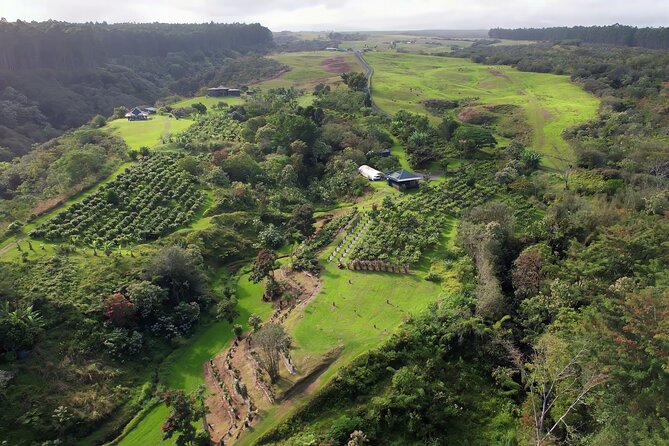
The presentation traces cacao from its ancient roots in South America to its modern role in Hawaii. That broader story gives context to what might otherwise be a pleasant but forgettable snack stop.
You learn that cacao has a long path from tropical fruit to chocolate bar. The farm lesson covers the beans, the farmers, sustainable growing methods, and the techniques that shape the final product. These details matter because craft chocolate is not defined only by a high price or attractive packaging. Farming and processing decisions can change the taste.
The history also helps explain why the fresh samples are important. Cacao fruit, fermented beans, cacao tea, and brewing chocolate are not side decorations. They show different stages and uses of the plant, letting you see what chocolate makers start with.
Jude’s teaching style receives particularly warm praise, and that is important for a tasting like this. A host who can explain unfamiliar flavors without making the subject feel academic turns a table of samples into a useful food lesson. You can ask questions, compare notes, and leave with more than a bag of sweets.
Is $75 a fair price?
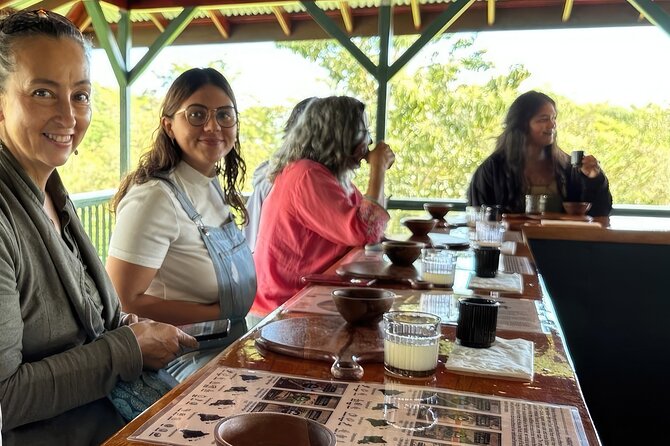
At $75 per person, this is not a cheap chocolate stop. The value depends on what you want from the visit.
If you only want to eat chocolate, the price may feel high. You could buy bars for less elsewhere. But the fee includes a guided farm setting, the drive to a family cacao property, fresh cacao fruit and juice, fermented beans, seasonal produce, cacao tea or brewing chocolate, and 10 or more Hawaiian single-origin bars.
That is a substantial tasting for 90 minutes. You are paying for access to a farm-based setting and for the explanation behind each sample, not just the food itself. The small group size also gives the experience a more personal feel than a busy retail tasting counter.
I see the best value for people who enjoy local food, farming stories, and unusual ingredients. It is also a good pick if you want a distinctly Hawaiian activity that is not another beach, viewpoint, or standard plantation stop.
The value is less clear for anyone with little interest in chocolate or agricultural history. If your main goal is a long farm walk, this may disappoint, since the confirmed format centers on the tasting room and the weather can limit outdoor activity.
Timing, weather, and practical planning
The experience lasts about 90 minutes and is offered in English. A mobile ticket makes arrival simple, and confirmation is provided at booking.
Plan around the weather. The activity requires good conditions, and poor weather can lead to a new date or a full refund. If the experience runs during rain, the outdoor farm portion may be reduced or skipped, though the tasting may still take place with views from the covered or open-air area.
You can cancel for a full refund up to 24 hours before the start time. Changes or cancellations made inside that 24-hour window are not accepted for a refund. The cut-off follows local time, so check the clock in Hawaii rather than relying on your home time zone.
The minimum group requirement is another small uncertainty. If it is not met, you receive the choice of another date or experience, or a full refund. The maximum is 15 people, which keeps the group from becoming unwieldy.
Service animals are allowed. No other accessibility details are provided, so contact the provider before booking if you need specific information about surfaces, seating, restrooms, or mobility access.
One review gives an amusing but useful detail: the farm’s portable restrooms were considered unusually good. That is not a reason to book on its own, but it suggests the hosts have paid attention to basic comfort in a rural setting.
Who will enjoy this most
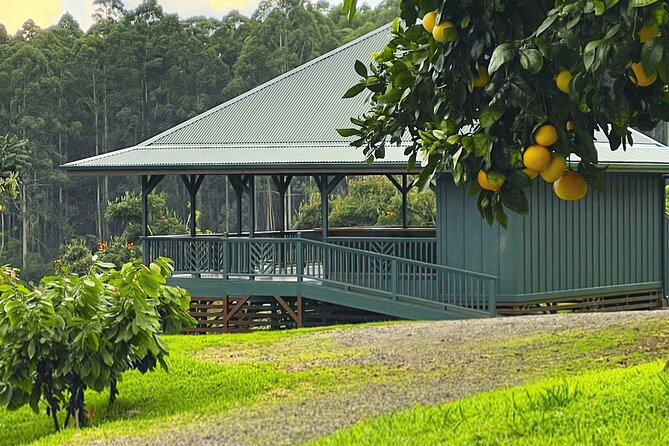
I would recommend this experience to chocolate fans who want to understand the ingredient before judging the bar. It suits people who enjoy tastings, small farms, local food, and conversations with a host who can explain the process clearly.
It is also a strong choice for couples, families with older children, and food-focused visitors staying around Hilo. The 90-minute length keeps the commitment manageable, and the range of samples gives everyone something to discuss.
You may want to skip it if you dislike cacao, prefer a long active farm tour, or need a fully indoor activity in uncertain weather. Rain can change the farm portion, and the open-air room is part of the experience.
Should you book the Honolii Orchards chocolate tasting?
Yes, if you want more than a box of Hawaiian sweets. The best parts are the fresh cacao fruit, the 10 or more island-grown bars, the farm views, and the chance to hear how farmers and makers shape the final taste.
I would book it during a reasonably dry part of your Hilo plans and leave room for weather changes. At $75, it is a considered purchase, but the combination of education, unusual samples, small-group hosting, and a rural setting gives you a fuller experience than a standard chocolate counter. If Jude is hosting, expect a friendly and well-informed guide who can make the cacao process easy to follow.
FAQ
Where does the chocolate tasting take place?
It begins and ends at 1533 Puia Road, Hilo, Hawaii 96720, USA.
How long does the experience last?
The tasting lasts approximately 1 hour and 30 minutes.
How much does it cost?
The listed price is $75 per person.
How many people can join the experience?
The activity allows a maximum of 15 people.
What chocolate will I taste?
You will sample 10 or more exclusive single-origin chocolate bars made with beans from farms around Hawaii.
What foods and drinks are included?
Included items are cacao tea or brewing chocolate, fresh cacao fruit, fresh cacao juice, fermented cacao beans, seasonal farm fruit such as lychee, rambutan, and mangosteen, and fresh sugar cane.
Is the experience offered in English?
Yes. The experience is offered in English.
What happens if the weather is poor?
The activity requires good weather. If poor weather causes cancellation, you will be offered another date or a full refund. Rain may also prevent a farm visit while allowing the tasting to continue.
Can I cancel for a refund?
Yes. You can cancel at least 24 hours before the start time for a full refund. Cancellations or changes made less than 24 hours before the start time are not accepted.
Just added around the USA
- South Fork, American River: Chili Bar (Class III+ Whitewater)★ 5.0 · 7 reviews
- Burlington Signature Guided Brewery Tour★ 5.0 · 133 reviews
- Luxury Buffalo Brewery Tour★ 4.0 · 3 reviews
- Underground Brooklyn Walking Brewery Tour★ 4.5 · 31 reviews
- Hudson Valley Craft Brewery Bike Tour★ 5.0 · 23 reviews
- Ridden- Fat Bike Beer & Distillery Tour★ 5.0 · 160 reviews
- Bear Creek Winery and Brewery history, tasting, with lunch tour★ 5.0 · 6 reviews
- Bozeman Brewery Hop★ 5.0 · 14 reviews
Dessert Tours, compared.
Hungry Mary’s Famous Beer and Chocolate Tour in Brussels
Read our review →
Epic Yarra Valley Wine Tour + Lunch, Chocolate & Gin/Beer Option
Read our review →
Brussels Chocolate Beer Waffle and Belgian Whiskey All-in-One (Small Group) Tour
Read our review →
York: Chocolate Bar Making Workshop at York Cocoa Works
Read our review →
Beer Tour with 6 Beers and 3 Chocolate Tastings
Read our review →
Walking Food Tour with Chocolate, Beer, & Waffles
Read our review →
Brussels All In Tour : Belgian food, chocolate, beer, sightseeing
Read our review →
Browse the lists this tour appears in