
REVIEW · CRAFT BEER
Maputo: Highlights Tour with Local Beer Tasting
Maputo reveals itself one stop at a time. This three-hour walking tour links the city’s fort, grand train station, old Indian quarter, central market, Tunduro Gardens, and Gustav Eiffel’s Iron House, while adding local beer and fruit along the way. I like the mix of major sights and everyday places, especially the market and neighborhood bar.
I also like that entry to the Fortress of Maputo and Train Station Museum is included. The main consideration is simple: this is a city-center walking tour with no hotel pickup or drop-off, so you need to reach the meeting point under the tree outside the fort and remain comfortable on foot for the full three hours.
The guides receive the strongest praise. Egas is described as friendly, capable, and engaging, while another guide was praised for bringing Maputo’s past to life with interesting stories. That personal storytelling matters here, because the tour is not just a procession of buildings. It connects architecture to local people, customs, food, and the city’s changing identity.
Key points to know before booking
- The tour begins at Maputo Fortress, where you learn about the resistance of the Gaza Empire during a guided visit lasting about 20 minutes.
- Maputo Railway Station is a major highlight, with museum entry included and the famous suspension bridge nearby.
- A local bar stop adds a Mozambican beer tasting, giving the walk a relaxed social break.
- The central market offers fruit and a look at daily food habits, rather than a staged cultural display.
- Tunduro Gardens are known for fruit bats hanging in the trees, an unusual sight in the middle of the city.
- The Iron House, designed by Gustav Eiffel, ends the route, with a gallery inside the building.
Starting under the tree at Maputo Fortress

Your meeting point is under the tree outside the Fort, officially known as the Fortress of Maputo or Fortress of Our Lady of Conception. This is a practical meeting place, but you should arrive with the location clear in mind because hotel pickup is not included.
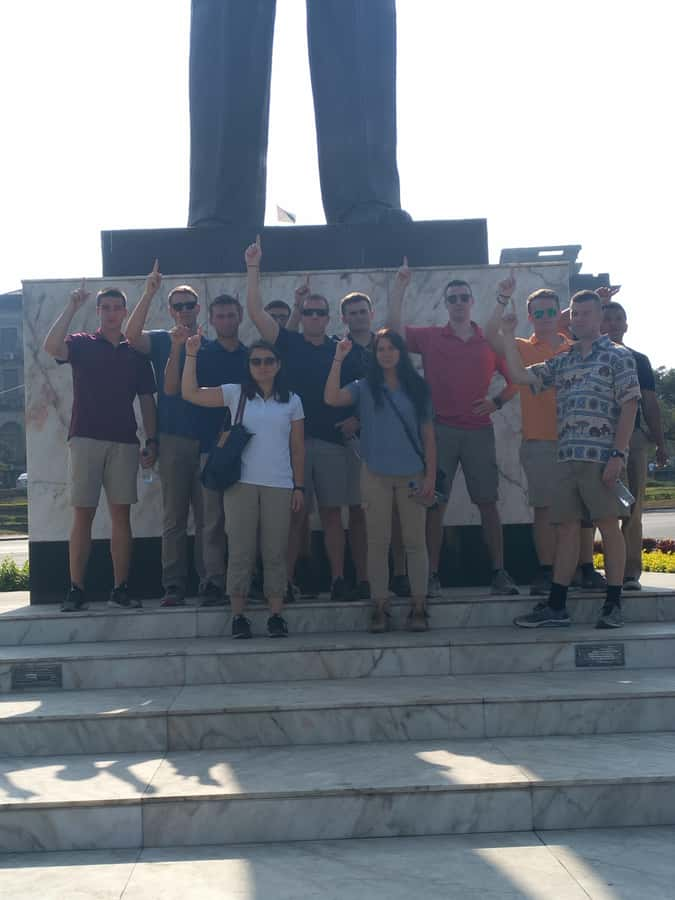
The fort sets the tone for the tour. Instead of beginning with a broad city introduction, you start with a place tied to conflict, colonial rule, and the resistance of the Gaza Empire. The guide explains how Maputo and the wider country were shaped by forces that reached far beyond the city walls.
The guided fort visit lasts about 20 minutes. That is enough time for a focused introduction rather than a long museum-style stop. I like this opening because it gives the rest of the walk a useful frame: Maputo’s buildings are not isolated sights, and the city’s Portuguese-era appearance only tells part of the story.
The fort is also a good place to ask questions early. English and Portuguese are available, and the quality of the experience depends in part on the conversation you build with your guide. The strongest feedback points to guides who explain clearly and tell stories well, so do not hesitate to ask about names, dates, and local life.
More craft beer tastings around the world:
- Bruges: Guided Tour & Boat Ride with Optional Beer Tasting
★ 4.4 · 3,894 reviews - Prague: Pilsner Urquell Experience & Beer Tasting
★ 4.7 · 3,480 reviews - Cologne: Brewery Tour with 3 Kölsch Beer Tastings
★ 4.7 · 3,108 reviews
The railway station and its museum
From the fort, the tour continues to Maputo’s railway station, one of the city’s most admired buildings. The stop is not just a quick look at an impressive facade. Entry to the Train Station Museum is included, giving you time to learn why the station matters and how it fits into Maputo’s past.
The station is often described as one of the finest railway stations in the world, and it was ranked third by Times Magazine. That distinction gives the building extra weight, but the real value of the stop is seeing how a working civic building became an architectural landmark.
Your guide explains the station’s story while you look more closely at its details and visit the museum. This is the point where a good guide can make a difference. A building can be beautiful on its own, but context helps you understand why it became such an important part of the city.
A large suspension bridge near the station adds another visual marker to the route. The experience information identifies it as the longest suspension bridge in Africa. You may not spend a long time on the bridge itself, but its presence near the station gives this part of the walk a striking modern contrast with the older railway architecture.
I would give this stop your full attention. The fort introduces political history, while the station shows how transport, trade, and architecture helped shape Maputo as a capital.
The old quarter, mosque, and Coana murals

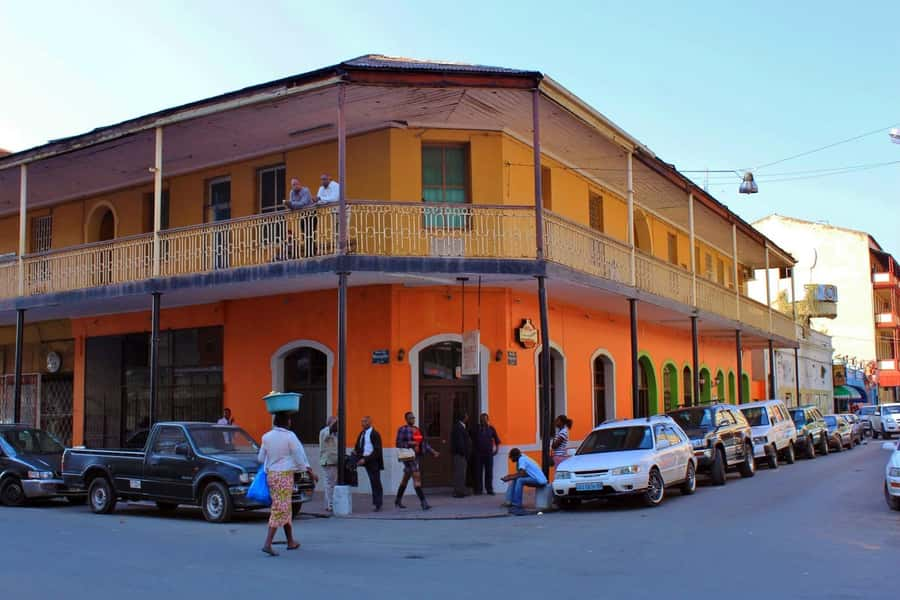
The next part of the walk moves into one of the oldest sections of Maputo. Here you visit a colorful mosque in an area associated with the Indian community during the Lourenço Marques period, the former Portuguese name for Maputo.
This stop gives you a chance to see how the city’s history was shaped by more than one cultural group. The mosque is not presented as a stand-alone monument. Its setting helps explain the neighborhood and the people who lived there during the colonial era.
Behind the mosque, murals painted by Coana bring fresh color to the area. The murals also help shift the mood of the tour. After the fort and railway station, which focus heavily on formal history and architecture, the artwork gives you a more recent and local visual layer.
You also pass interesting bars in this part of town, including the place where the tour pauses for a local beer. This is a small but valuable feature. You are not only looking at Maputo from the outside. You get a taste of how people use the city’s social spaces.
The beer stop is casual rather than a formal tasting event with several paired drinks. Think of it as a chance to sample local beer, rest briefly, and talk with your guide. That distinction matters if you are expecting a specialist brewery tour. If you want a broader beer education, this experience may feel limited. If you want one local drink during a city walk, it fits the tour well.
Fruit, food, and the Central Market
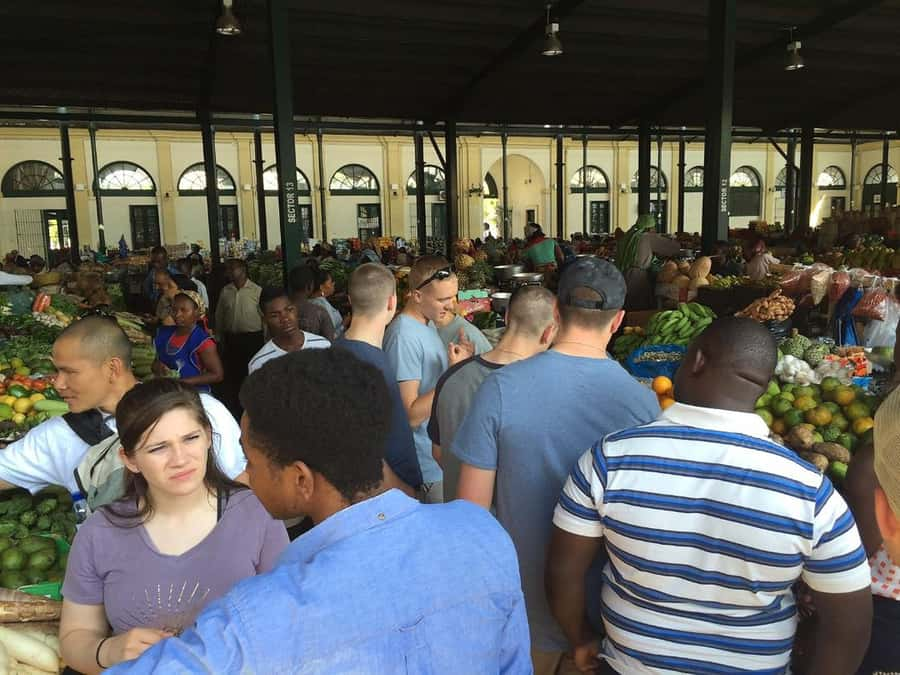
The Central Market is one of the most useful stops for anyone who wants a clearer sense of everyday Maputo. You can try locally produced fruit and get an idea of what Mozambicans eat on a normal day.
The market adds something that historic buildings cannot. Architecture tells you about a city’s past, while food shows how people live now. The stop also helps make the tour feel less like a checklist of monuments.
The information provided does not specify which fruits will be available, so the selection may vary. That is part of the market’s appeal, but it also means you should approach the stop with an open mind rather than expecting a fixed tasting menu.
I like the balance here. The beer stop introduces a local social habit, while the fruit tasting connects you with the country’s produce. Neither is presented as a large meal, so plan to eat separately if you need lunch or a substantial snack.
The market can also be a useful place to ask your guide about local food traditions. The tour promises explanations of culture and customs, and this is where those subjects have a natural setting. You can link what you see on the stalls to the broader story of daily life in Mozambique.
A few more boozy trips around the world worth a look
- Budapest: Unlimited Prosecco, Beer and Aperol Spritz Cruise
★ 4.8 · 37,304 reviews - Amsterdam Luxury Canal Cruise + Unlimited Drinks & Bites option
★ 5.0 · 30,518 reviews - Amsterdam: Heated Canal Cruise with Unlimited Drinks & Bite
★ 4.5 · 21,431 reviews - Prague: Medieval Dinner with Unlimited Drinks
★ 4.4 · 19,847 reviews
Fruit bats in Tunduro Gardens
Tunduro Gardens provide a change of pace from streets, facades, and market stalls. The main attraction here is the fruit bats hanging from the trees.
That detail makes the gardens memorable. You are not visiting only for formal landscaping or a quiet green break. You are looking upward at a living part of Maputo’s city environment, with bats occupying the trees in plain sight.
The supplied information does not promise a long garden visit or specify how close you get to the bats. Expect the guide to point out the trees and explain why this unusual sight matters to the city stop. Your experience may depend on where the bats are gathered and what can be seen that day.
For me, this is the kind of stop that gives a walking tour character. The fort, station, and Iron House are planned landmarks. Fruit bats are less predictable and more closely tied to the feel of the place.
Gustav Eiffel’s Iron House

The final major stop is the Iron House, designed by Gustav Eiffel. You also stop at the gallery inside the building, which gives you more than a quick exterior photograph.
The house is an unusual piece of Maputo architecture and a fitting end to a tour focused on the city’s built environment. Its connection to Eiffel gives the building instant name recognition, but the guide’s explanation is still important. You learn about the house, its design, and why it belongs in Maputo’s architectural story.
The gallery adds a cultural layer to the visit. Because the route has already covered a fort, a railway station, a mosque, murals, a market, and a garden, ending inside a gallery keeps the final stop from feeling like another building inspection.
Do not expect the Iron House stop to explain all of Maputo’s art or architecture in detail. The tour lasts three hours and covers many locations. Its strength is the variety of places linked together, not an extended study of any single building.
What the guides add to the experience

The guide is the key part of this tour. The route itself is strong, but you can see many of these buildings without paying for a walk. The value comes from having someone connect them through history, local stories, and cultural explanation.
The available feedback is unusually consistent on this point. A guide named Egas is described as competent, friendly, and easy to appreciate. Another guide was praised for explaining many interesting subjects and making the city’s past feel alive. A German-speaking participant also described the guide warmly and recommended the tour.
That pattern tells me you should book this for the human explanation, not only for the stops. A quiet guide could make the route feel like a long list of addresses. An engaging guide can show how the Gaza Empire, Lourenço Marques, Indian settlement, Portuguese architecture, local food, and modern Maputo fit together.
English and Portuguese are the listed tour languages. If you need a language other than those, this is not the right choice based on the available information.
Is three hours enough?
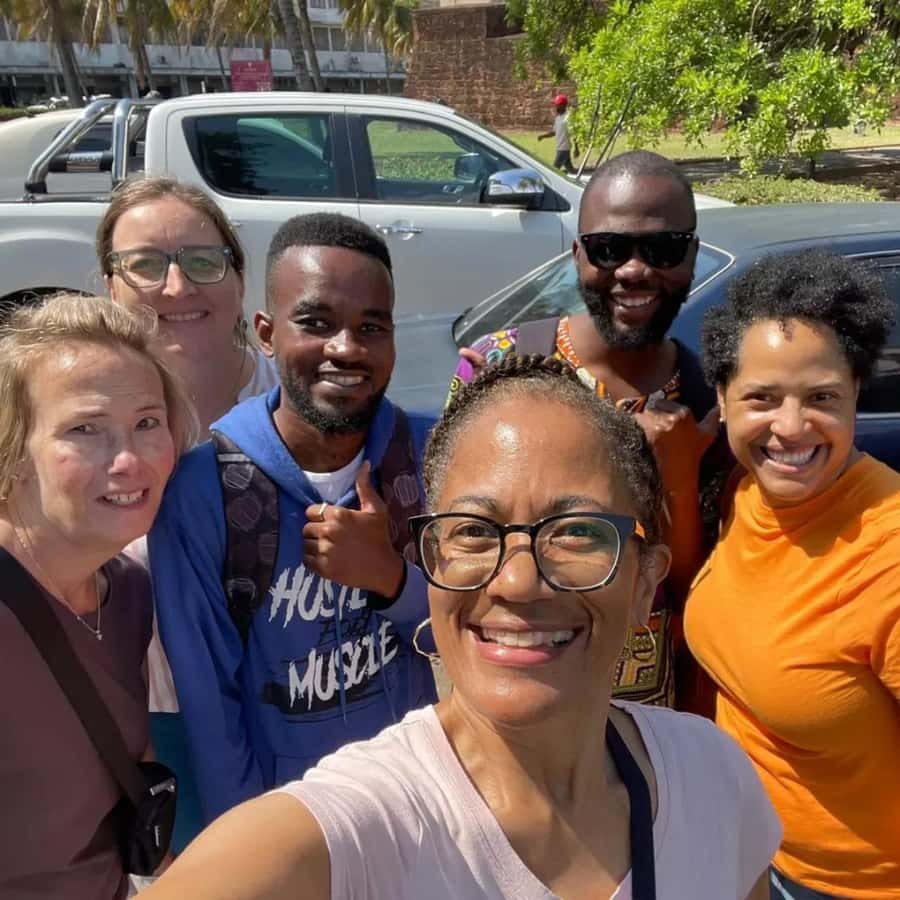
Three hours is a sensible length for a first look at central Maputo. You cover a lot, but the route does not try to turn every stop into a long lecture.
The schedule includes the fort, railway station and museum, mosque and murals, beer stop, central market, Tunduro Gardens, and Iron House. That is a full program for a half-day walk. You should expect the pace to keep moving, especially if the group spends time at the market or at the beer stop.
The benefit is variety. You see formal landmarks, religious architecture, public art, food stalls, gardens, and a gallery in one outing. The tradeoff is depth. If you want to study the railway station for an hour or spend a long time browsing the market, you may prefer to return later on your own.
Wear comfortable shoes and plan for walking. The tour is described as a walking experience, and the only stated transport arrangement is that hotel pickup and drop-off are not included. Bring enough water for your comfort, since the itinerary includes several outdoor stops, but do not expect transport between sights.
The $58 price and what it covers
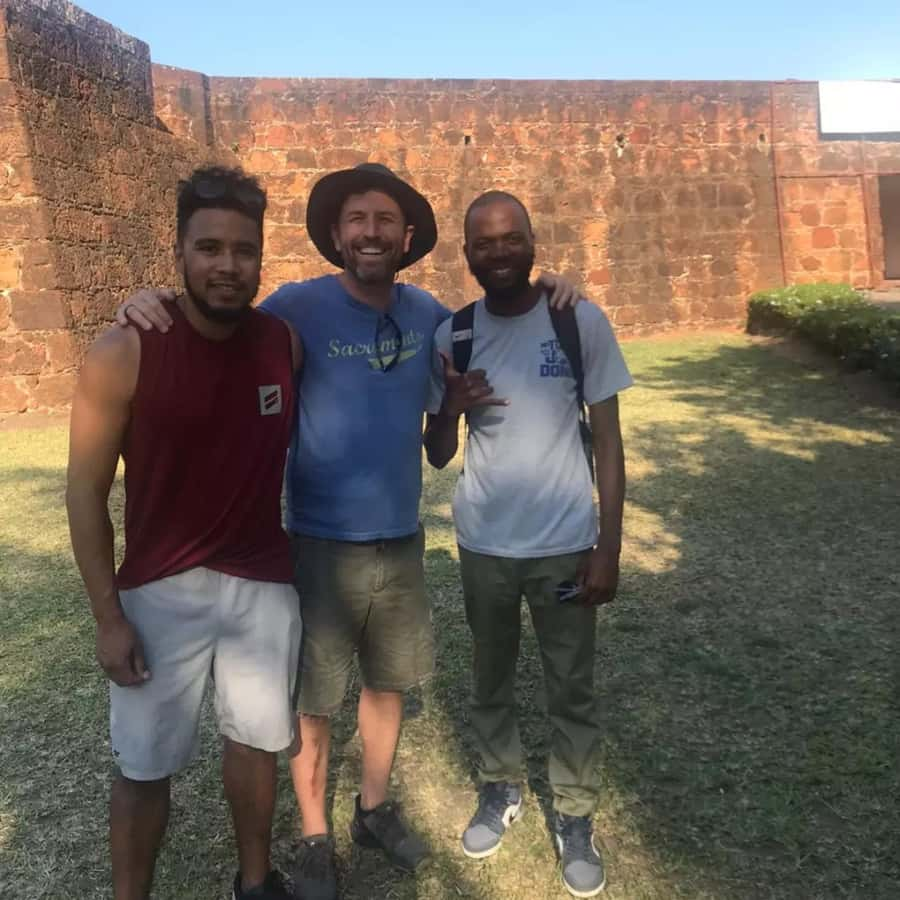
At $58 per person, the tour is priced as a guided cultural walk rather than a simple sightseeing stroll. The price includes entry tickets to the Fortress of Maputo and Train Station Museum, which helps justify part of the cost.
You are also paying for a live guide, local explanations, a beer stop, fruit tasting, and a route that brings together several of Maputo’s major central sights. I see good value here if you have limited time in the city and want the context that is hard to get from a quick self-guided walk.
The value is less clear if you already know Maputo well or plan to visit the fort and station independently. In that case, the included entries and guide may not add enough. For a first visit, though, the combination of history, architecture, food, and local drinks gives the tour a practical shape.
The tour has a five-star rating from 10 reviews, with praise focused mainly on the guides and the way the history is explained. That should not make you ignore the walking commitment, but it does support choosing this experience for its storytelling.
Who should book this Maputo walk?
I would recommend it to first-time visitors who want a compact introduction to Maputo without spending a full day in museums. It also suits anyone interested in architecture, colonial-era city planning, local food, and the relationship between historic buildings and daily life.
It is a good choice if you enjoy asking questions and learning from a local guide. The mix of languages, cultures, public art, markets, and landmarks gives you plenty to discuss.
I would be more cautious if you dislike walking, want hotel transportation, or expect a formal beer tour with several tastings. The beer is one local stop within a wider city tour, not the central subject. The fruit tasting is also a market experience, not a prepared meal.
The route may work well early in a Maputo stay because it helps you get your bearings in the center. It can also suit a short visit, since the three-hour format covers many key places without taking up the whole day.
Should you book it?
Book this tour if you want Maputo explained by a personable local guide rather than simply photographed from the outside. The fort, station museum, colorful mosque, Coana murals, local bar, market, fruit bats, and Iron House make a varied route, and the included entries improve the $58 value.
Skip it if you need hotel pickup, prefer private transport, or want a slow, specialist visit to one site. For most first-time visitors who can walk for three hours, this is a well-shaped introduction to central Maputo, with enough local flavor to keep it from feeling like a standard monument tour.
Free cancellation is available up to 24 hours before the start time, and you can reserve now and pay later. Check the available starting times before booking, then meet under the tree outside the fort.
FAQ
Where does the Maputo highlights tour begin?
It begins at the Fortress of Maputo, with the meeting point under the tree outside the fort.
How long does the tour last?
The tour lasts three hours.
What languages are available?
The live guide is available in English and Portuguese.
Is hotel pickup included?
No. Hotel pickup and drop-off are not included.
Is entry to the Fortress of Maputo included?
Yes. Entry to the Fortress of Maputo is included.
Is entry to the Train Station Museum included?
Yes. Entry to the Train Station Museum is included.
Does the tour include a local beer tasting?
Yes. The route stops at a local bar to try local beer.
Does the tour include food?
The tour includes locally produced fruit at the Central Market. It does not state that a full meal is included.
What is the meeting point?
The meeting point is under the tree outside the Fort.
Can I cancel the booking for a full refund?
Yes. You can cancel up to 24 hours in advance for a full refund.
Just added around the world
- Deluxe Catamaran to Isla Mujeres with Open Bar from Cancun★ 4.5 · 32 reviews
- Discover Isla Mujeres tour with snorkel, buffet and open bar★ 3.0 · 10 reviews
- Amazing tour to the beauty Isla Mujeres with Snorkel and open bar★ 4.0 · 7 reviews
- Deluxe Catamaran tour to Isla Mujeres with Open Bar and Lunch★ 4.5 · 6 reviews
- Discover Isla Mujeres: Catamaran, Snorkeling, and “Ice Bar”★ 3.5 · 6 reviews
- Catamaran Tour to Isla Mujeres from Cancún with Bar and Lunch★ 4.5 · 22 reviews
- Catamaran Tour to Isla Mujeres, Open bar, Lunch, Snorkeling, Beach Club Included★ 4.0 · 15 reviews
- Brewery Tour / Craft Beer Tasting Cancun Mexico★ 5.0 · 11 reviews
Craft Beer, compared.
Guided Tour & Boat Ride with Optional Beer Tasting
Read our review →

Pilsner Urquell Brewery Tour with Beer Tasting
Read our review →
Hidden Brewery Caverns Tour in Cincinnati with Beer Tasting
Read our review →
Porto Craft Beer Tour: 7 Beers + 3 Food Pairings in a Small Group
Read our review →
Düsseldorf: Brewery Tour with Alt Beer Tastings
Read our review →
Browse the lists this tour appears in