
REVIEW · LONDON BOOZY TOURS
Booze, Brothels & the Bard: London’s Bawdy Borough
London has a wonderfully disreputable side. This two-hour walk through Southwark links medieval brothels, prisons, theatres, and pubs into one clear story, with plenty of Shakespeare, Dickens, and odd local characters along the way. I like the compact route and the way it shows you places you could easily pass without noticing. My main caution: the tour is mainly an outdoor history walk, so you should not expect extended visits inside the Globe or other attractions.
I also like the small group limit of 15 people, which makes it easier to hear the guide and ask questions. Tom Currie has been especially praised for his humor, calm manner, and ability to explain a large amount of history without burying you in dates. Borough Market can be very crowded, especially on a Sunday, and that busy stretch may slow the group down.
Key points to know before you book
- Two miles of Southwark history: The route takes about two hours and runs from Borough Station to Shakespeare’s Globe.
- A bawdy story with real depth: Learn why this area became known for prostitution, gambling, drinking, prisons, and other activity outside the City of London’s control.
- A small-group format: Attendance is limited to 15 people, a useful size for a walking tour with frequent stops.
- Famous names and strange characters: Shakespeare, Charles Dickens, the Winchester Geese, a ghostly pub landlady, and Doorkins Magnificat all appear in the story.
- Mostly exterior sightseeing: You see sites such as Marshalsea Prison, Winchester Palace, and the original Globe site, but entry into attractions is not part of the tour.
- Good value at $26: For two hours with an English-speaking guide and a carefully connected route, the price is reasonable, especially if you enjoy urban history.
Why Southwark earned its bawdy reputation
Southwark sits just south of the River Thames, outside the old jurisdiction of the City of London. That legal boundary mattered. For centuries, activities restricted or discouraged within the City found room to operate here, including prostitution, theatres, drinking houses, bear-baiting, and prisons.
The tour uses that setting to explain why Southwark became London’s Bawdy Borough. This is not simply a walk through old buildings. You are following the social rules, loopholes, and power struggles that shaped the district for more than a thousand years.
I like this approach because the subject gives the walk a clear personality. The history is lively, but it is not only a string of scandalous stories. You also learn how religious institutions, markets, transport, entertainment, and poverty all helped shape the area.
The tour begins just outside Borough Station on Borough High Street. Look for the guide holding a Historic London Tours sign. From there, the route heads through a compact part of Southwark, covering roughly two miles before finishing near Shakespeare’s Globe.
A few more boozy trips around London worth a look
- London Small Group Tour of Historical Pubs
★ 5.0 · 10,422 reviews - Soho Music & Historic Pubs Tour
★ 5.0 · 1,993 reviews - London: Bar and Club Crawl to 5 Central London Venues
★ 4.5 · 1,241 reviews
Marshalsea Prison and the people left outside
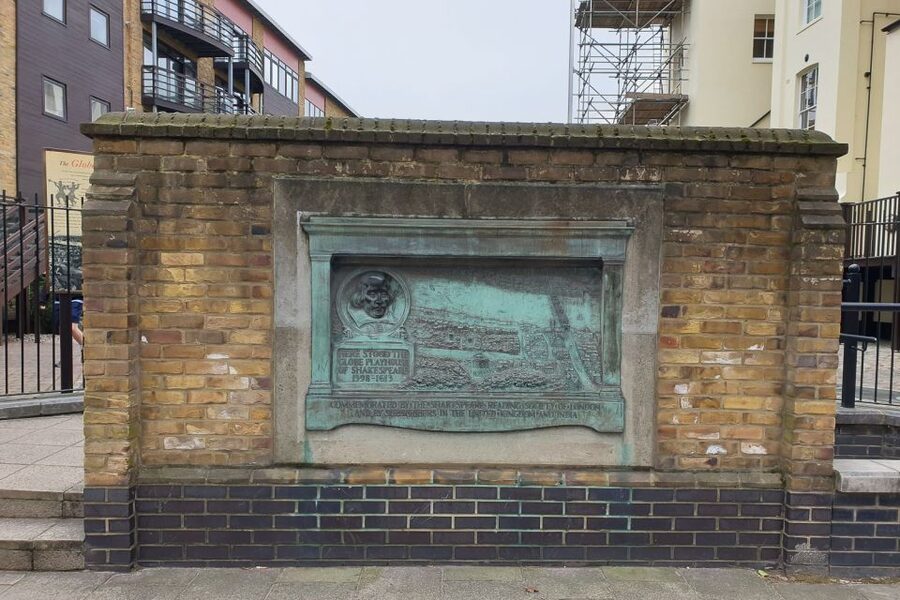
One of the first major stops is the site of Marshalsea Prison. The prison itself is gone, but parts of the old wall remain, giving you something tangible to look at while the guide explains its role.
Marshalsea is closely linked with debt imprisonment, a system that could trap people who were unable to pay what they owed. Charles Dickens knew this world well. His father was imprisoned for debt, and Dickens’s childhood experience helped shape his writing.
This is where the Dickens connection becomes more than a name on a plaque. The surrounding streets help explain the social conditions behind his stories. The tour does not simply announce that Dickens lived nearby or drew from Southwark. It connects the area’s poverty, institutions, and crowded urban life to the author’s work.
You will not spend a long time at the prison remains, but the short stop works well as an introduction. I would make a note of any Dickens details that interest you, then return later if you want to explore his Southwark connections at a slower pace.
Crossbones Garden and the Winchester Geese
Crossbones Garden is one of the more unusual stops. The site is associated with the medieval Winchester Geese, women who worked as prostitutes under the authority of the Bishop of Winchester.
The title sounds almost playful, but the story is not. These women lived under a system that brought income and control to powerful institutions while leaving the women themselves vulnerable. The garden also represents people who were excluded from burial in consecrated ground.
This stop gives the tour some emotional weight. The bawdy history is not presented as harmless entertainment. You are reminded that behind the jokes about alehouses and brothels were real people living with poverty, illness, stigma, and limited choices.
The stop is brief, around five minutes, so listen closely. Crossbones Garden is a place where a guide adds real value because the meaning of the site is not always obvious from the street.
The Hop Exchange and Southwark’s drinking trade
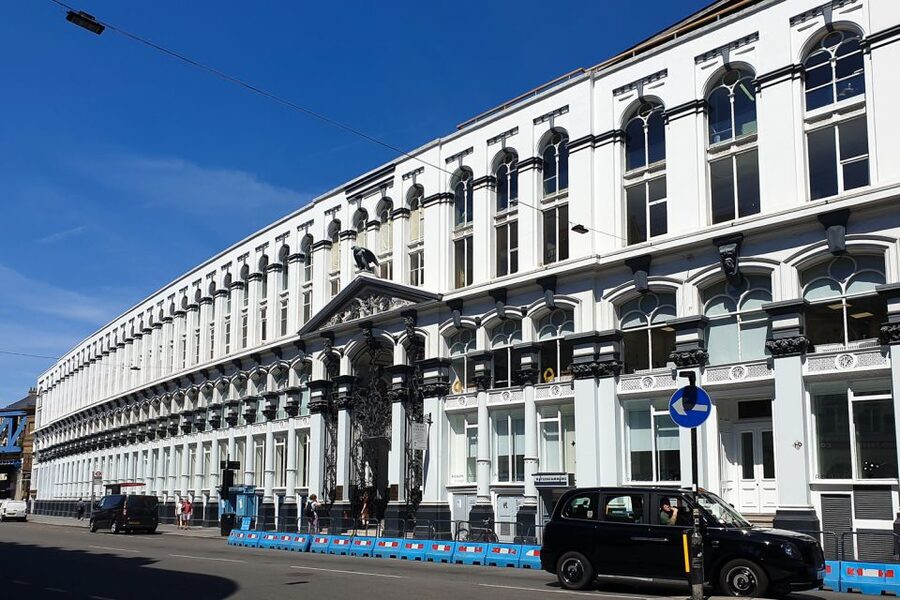
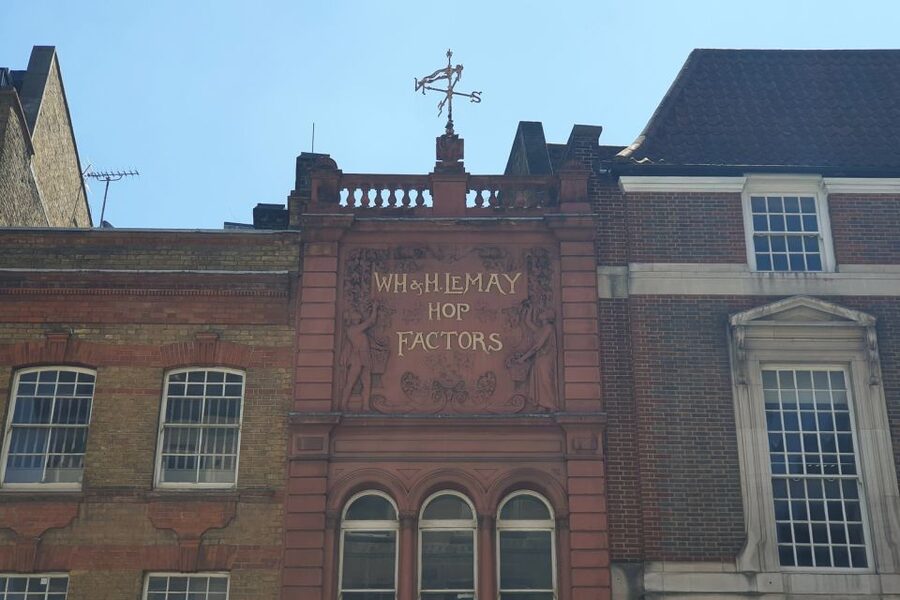
The Hop Exchange introduces another side of the borough: trade and drinking. Its name points to the commerce in hops, an essential ingredient in beer production.
This is a useful pause in the story because it connects Southwark’s reputation for taverns and alehouses to the business that supported them. The district’s drinking culture did not exist in isolation. It was tied to markets, transport, brewing, and the steady movement of goods through London.
You will hear plenty about booze on this tour, but the point is not merely to count old pubs. The guide shows how commercial activity helped give the area its character. That makes the stories easier to remember, since they are attached to buildings and trade rather than floating as disconnected trivia.
Same place, a completely different kind of round:
- London: Historic Pubs of Central London Walking Tour
★ 4.9 · 1,065 reviews - Pub Crawl of Central London
★ 5.0 · 1,022 reviews - London Bike Tour: Landmarks, Secret Gems, Pub Stop & Street Art
★ 5.0 · 943 reviews - London: Soho Music and Historic Pubs Walking Tour
★ 4.9 · 836 reviews
The George Inn and the world of old coaching yards
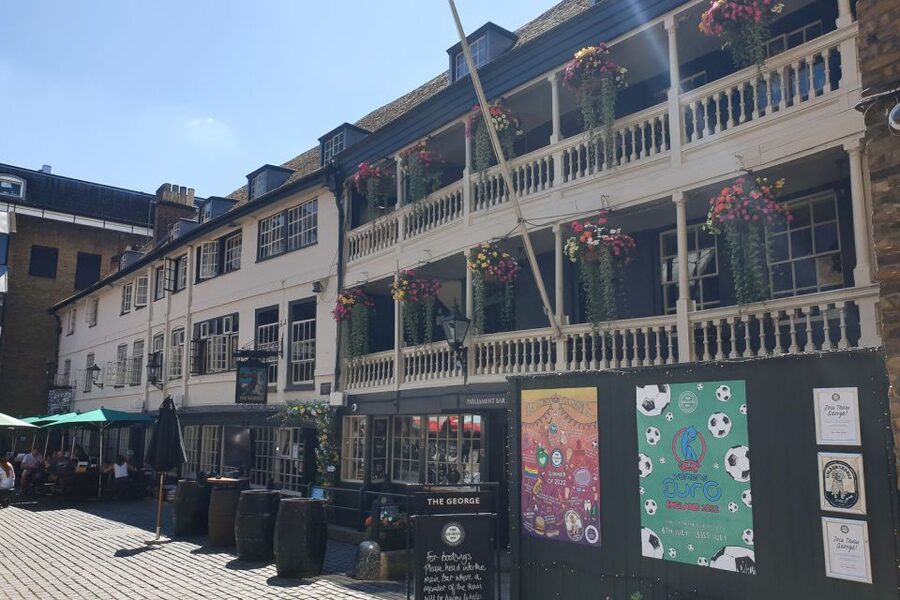
The George Inn is one of the route’s most atmospheric stops. It is associated with the old coaching trade and offers a glimpse of how inns once served as places for lodging, food, drinking, and transport.
The building helps you picture Southwark before modern traffic and rail travel changed the district. Coaching inns were practical hubs, and their courtyards gave travelers, drivers, horses, and merchants room to come and go.
The guide also uses places like this to bring Shakespeare’s era closer. Southwark’s inns were part of the same entertainment and travel world that supported the theatres. If you enjoy historic architecture, this is one of the stops where you may want a few extra minutes for photographs.
The walk does not promise a meal or pub stop, so plan to eat separately. Borough Market later offers plenty of food options, but the group may be moving through crowded paths rather than pausing for lunch.
Borough Market, crowds, and a thousand years of trade
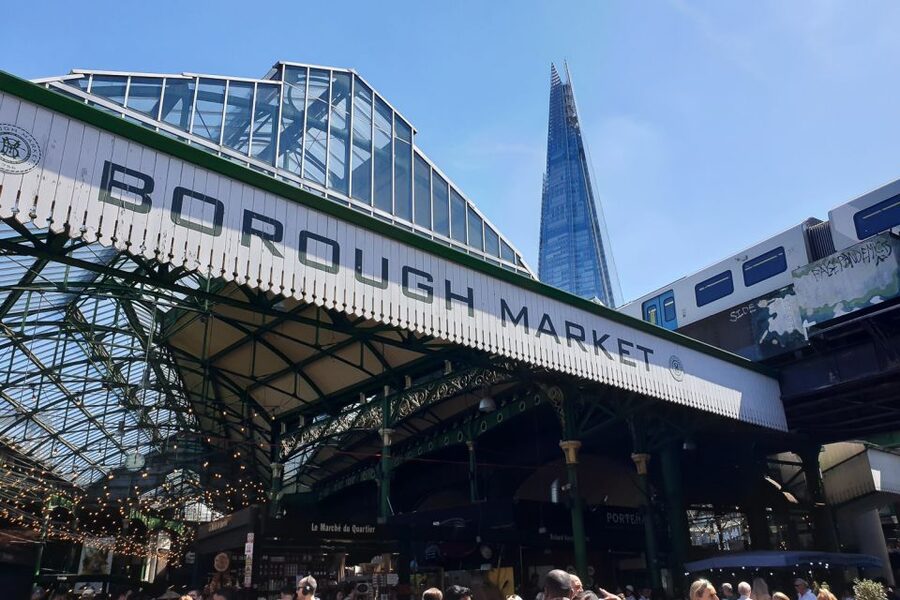
Borough Market is one of the strongest parts of the route for understanding continuity. The market is both ancient and active, so you are not just looking at a preserved relic. You are seeing a place still tied to food, commerce, and daily London life.
The guide explains the market’s long history while leading you through an area that can be packed. One visitor found Sunday especially crowded and appreciated having Tom guide the group through it. That is a practical point: stay close, listen for the next meeting spot, and expect the pace to slow when the market is full.
I like the contrast here. The prisons and palace ruins show what has disappeared. Borough Market shows how a trading function can continue while the city around it changes.
If you want to browse food stalls or shop, return after the tour. The walking schedule is not designed for a leisurely market meal, and stopping on your own later will let you enjoy it without watching the clock.
Surgery, churches, and the old institutions of Southwark
The Old Operating Theatre Museum and Herb Garret is another reminder that Southwark’s story includes medicine and hardship, not just sex and drinking. The stop points toward the difficult realities of historic surgery and the role of hospitals in a crowded urban district.
The tour does not include a separate museum visit, so think of this as an introduction. If medical history interests you, you may want to plan a return visit independently. The guide’s short explanation can help you decide if it deserves a longer look.
Southwark Cathedral offers a different tone. Its age and religious importance show that the borough was never only a place of vice. Sacred buildings, markets, theatres, prisons, and brothels existed close together.
One useful tip comes from the route itself: allow time to return to the cathedral if the exterior discussion catches your interest. A visitor later went inside after hearing about its antiquity. The tour gives you context, but you will need a separate visit to explore the interior properly.
London Bridge and the medieval Winchester Palace
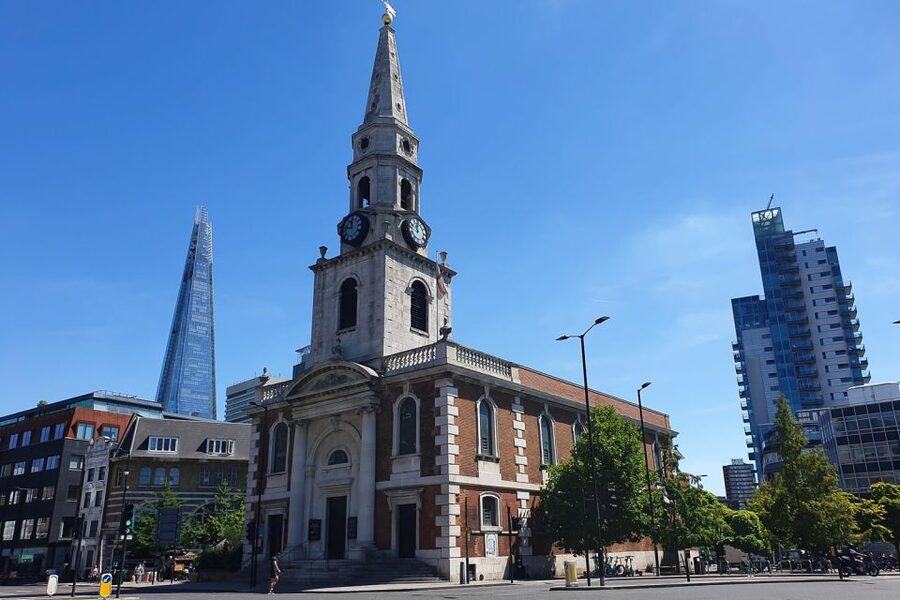
London Bridge has long been more than a crossing. It helped channel people and trade between the City and Southwark, which explains why the area became such a busy meeting point.
The bridge stop also helps you understand the geography of the whole walk. You are moving through a narrow zone where the City’s authority, river traffic, markets, entertainment, and local institutions all met.
Nearby Winchester Palace provides one of the most striking remnants of medieval Southwark. The palace belonged to the Bishops of Winchester, whose authority was connected to the Winchester Geese and the district’s regulated prostitution.
Only parts of the palace remain, but those fragments are enough to show the scale and influence of the institution. This is a good example of why a guided walk helps. A few stone walls can look like ordinary ruins until someone explains who owned them and how they fit into the local power structure.
The Clink and Southwark’s prison story
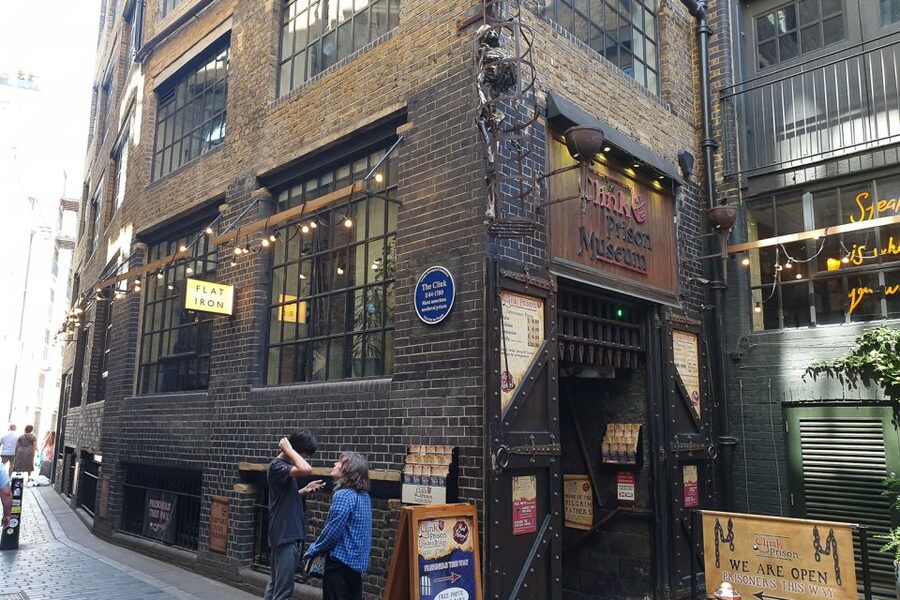
The Clink is one of London’s most famous prison names, and the remains sit close to the old entertainment district. The tour explains why prisons were placed in Southwark and how the area’s status outside the City helped create a concentration of institutions that drew both lawbreakers and paying crowds.
You see the location of two notorious prisons on this walk, Marshalsea and the Clink. Neither stop is simply a spooky photo opportunity. Together, they show how debt, crime, punishment, and public curiosity were part of the borough’s long story.
The Clink Prison Museum is a separate attraction, so do not assume admission is included. If you want a more detailed prison visit, check the museum separately and allow extra time beyond the two-hour walk.
Shakespeare’s Globe, old and new
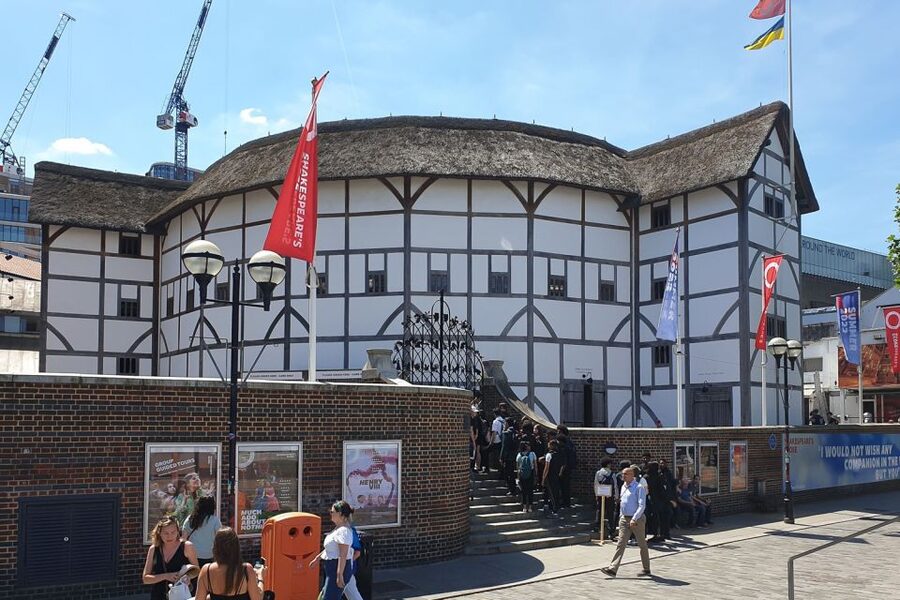
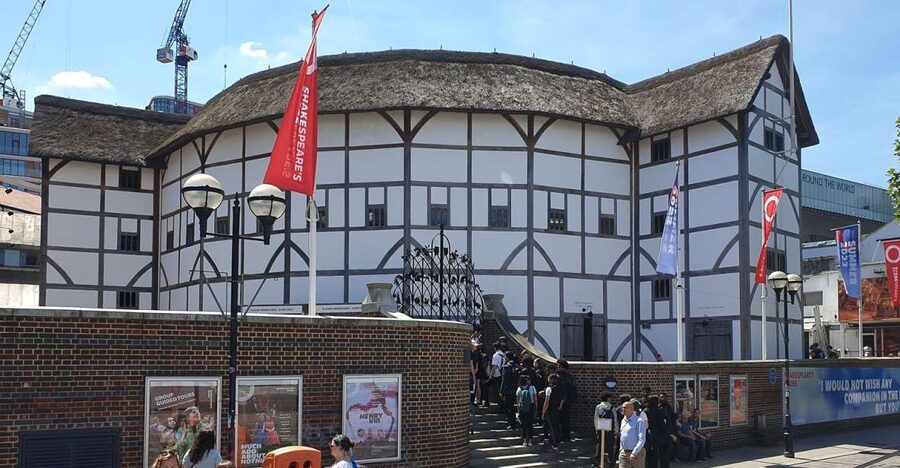
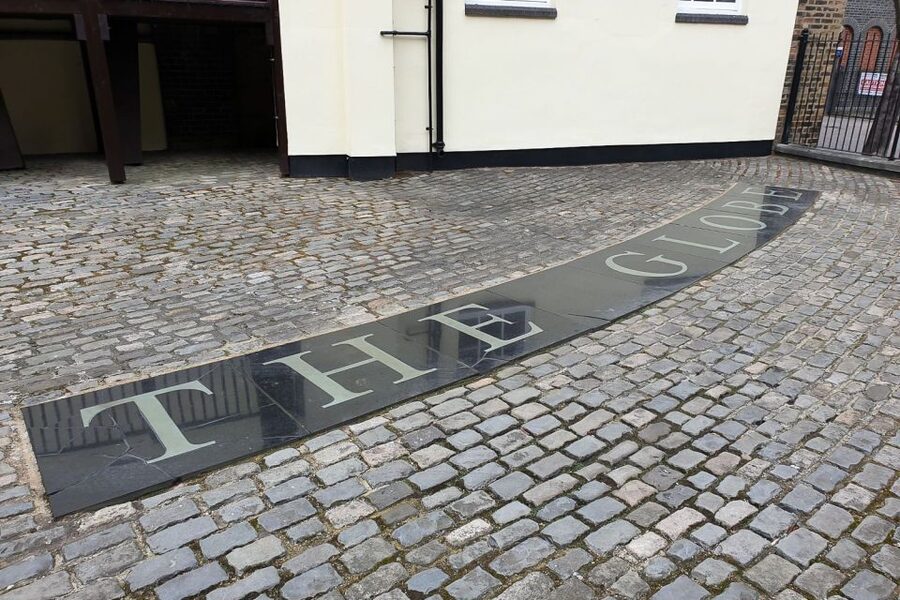
The Shakespeare section arrives in two parts. First, you see the original site of the Globe Theatre. Then the route continues to the modern Shakespeare’s Globe.
This distinction matters. The original site is a historical location, while the present Globe is a reconstructed theatre. The tour helps you understand that the building you see today is connected to Shakespeare’s theatre tradition but is not the original structure.
The story also explains why Southwark suited the theatre world. The borough was outside the City’s control, and its entertainment venues could operate here despite official restrictions. That same legal separation that allowed brothels and drinking houses also helped theatres flourish.
The walk finishes at Shakespeare’s Globe, which is convenient if you want to continue with a performance or a paid theatre visit. The guided walk itself does not include extended time inside the Globe. One visitor wished for more time there, then realized that a separate ticket was needed. That is the clearest practical limitation of the tour.
If the Globe is your main reason for visiting Southwark, book a separate theatre experience. If you want the wider setting first, this walk gives you the context to make that visit more meaningful.
A guide who keeps the history moving
The strongest part of this experience is the guiding. Tom Currie is repeatedly praised for being friendly, clear, funny, and happy to answer questions. He also keeps the group moving without making the walk feel rushed.
That balance matters on a two-hour route with many stops. You need enough detail to understand the history, but not so much that every corner becomes a lecture. Tom’s style, as described by the experience, is to distill each stop into useful facts and then connect it to the next location.
One helpful touch is a link provided after the walk so you can revisit the information later. That is useful because Southwark contains a lot of names and dates. You may remember the Winchester Geese or Doorkins Magnificat more easily than the exact institutional details, and a follow-up resource gives you a way to fill in the gaps.
The storytelling also includes a nineteenth-century pub landlady’s ghost and Doorkins Magnificat, a wonderfully named local cat. Those details keep the walk from becoming too solemn and give the tour a human, slightly odd character.
Who will get the most from this walk?
I would recommend it most strongly if you:
- Like London history beyond royal palaces and famous museums
- Enjoy stories about ordinary people, institutions, and social rules
- Want an introduction to Southwark before visiting the Globe or Borough Market
- Prefer a small walking group to a large sightseeing crowd
- Are comfortable with adult themes involving prostitution, prisons, poverty, and drinking
- Have two hours for a focused walk through central London
It is not suitable for children under 13. The content is mature, and the subject matter is frank even when the tone is humorous.
You should also be comfortable walking two miles. The route is not described as difficult, but there are frequent stops, crowds around Borough Market, and the need to keep up with the group between sites.
Is $26 good value?
At $26 per person, I think the value is good. You are paying for a live English-speaking guide, a carefully connected route, and access to stories that are easy to miss when walking through Southwark alone.
The price looks even better if you plan to visit the Globe, Southwark Cathedral, the Clink, or Borough Market afterward. The walk acts as an orientation, helping you decide where to spend extra time. It does not replace admission tickets to those attractions, so add those costs only if you want fuller visits.
A two-hour tour also fits neatly into a London day. You can start at Borough Station, finish near London Bridge Station and the Globe, then continue on foot or by public transport. Free cancellation up to 24 hours before the start and the option to reserve now and pay later add useful flexibility, particularly when your London schedule is still changing.
Should you book Booze, Brothels & the Bard?
Book it if you want the London beneath the polished tourist route: prisons, market traders, medieval power, theatre, Dickens, and the less respectable side of city life. The small group, short distance, and strong guiding make it an easy addition to a day in Southwark.
Skip it if you mainly want to go inside the Globe, browse Borough Market at leisure, or spend long periods at museums and historic buildings. Those require separate time and, in some cases, separate tickets.
For most adults interested in London’s social history, I think this is a smart $26 purchase. Come ready to walk, expect some crowding at Borough Market, and treat the Globe as the finish line of the story rather than the full theatre visit.
FAQ
Where does the tour begin?
It begins just outside Borough Station on Borough High Street. The guide will be holding a Historic London Tours sign.
Where does the tour finish?
The walk finishes at Shakespeare’s Globe, near London Bridge Station.
How long is the tour?
The tour lasts about two hours and covers roughly two miles, or 3.2 kilometers.
Is the Globe Theatre admission included?
No. The walk visits the original Globe site and the modern Shakespeare’s Globe, but a separate ticket is needed for a fuller Globe visit.
What language is the tour conducted in?
The tour is conducted in English with a live English-speaking guide.
Can children join the tour?
Children under 13 are not permitted on this experience.
Just added around London
- The London Historic Pubs Tour★ 4.0 · 3 reviews
- London: Live Comedy Show at Big Belly Bar and Comedy Club★ 4.5 · 80 reviews
- Southampton: London via the Cotswolds, Oxford and Pub Lunch★ 4.4 · 49 reviews
- Shoreditch Pub Crawl★ 3.8 · 7 reviews
- Private Secret Gay Bar Hopping Tour in Soho★ 4.1 · 4 reviews
- London: Paint and Sip in the Dark with Bottomless Drinks★ 4.9 · 56 reviews
- London: Bar Bus Tour by Tootbus★ 4.1 · 14 reviews
- London: Pilgrims and Pirates Historical Pub Tour★ 5.0 · 3 reviews
London Boozy Tours, compared.
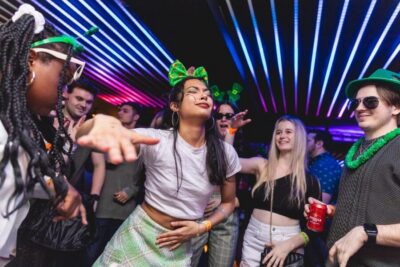
Bar and Club Crawl to 5 Central London Venues
Read our review →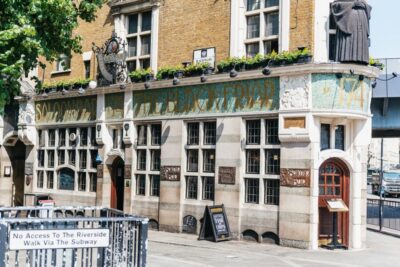
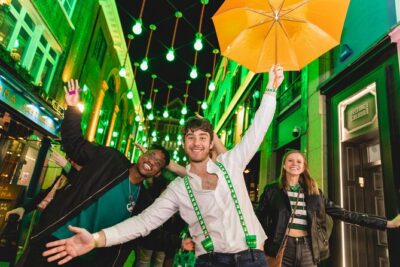
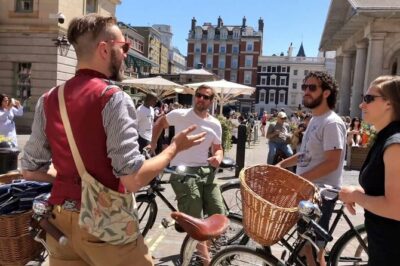
London Bike Tour: Landmarks, Secret Gems, Pub Stop & Street Art
Read our review →
Royal Historic Pubs Walking Guided Tour in London
Read our review →Browse the lists this tour appears in