
REVIEW · KOBE BOOZY TOURS
1-Day Walking Tour around Kobe : Mountains, Sea and Sake
Kobe rewards curious walkers. This full-day route links mountain views, foreign-era homes, a major shrine, Chinatown, the harbor, and Japan’s famous Nada sake district. I like the variety, especially the Nunobiki Herb Gardens ropeway and the chance to taste sake where it is made. I also like having an English-speaking guide to explain local customs, help with menus, and make train connections easier.
The catch is simple: this is an active 20,000-step day, not a gentle sightseeing loop. One guest found the walking too demanding for a husband who was not fit and needed a taxi arranged. The schedule also leaves limited time at some stops, so you should bring good shoes, sun protection, and rain gear.
Six details to know before you book
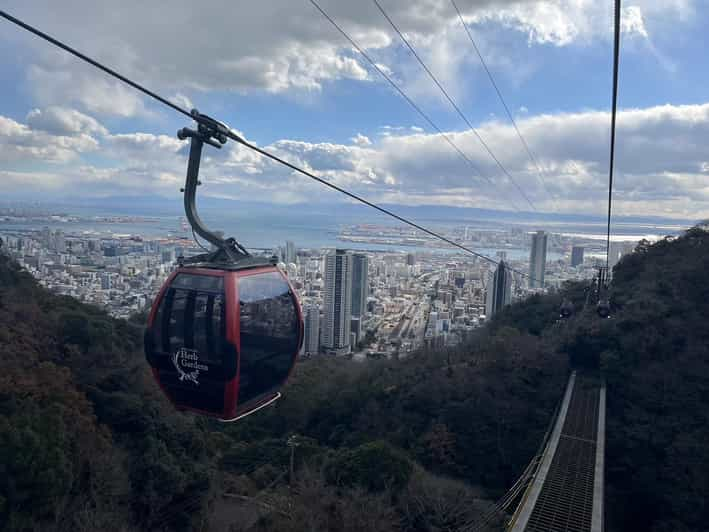
- The day starts above Kobe: You ride the ropeway from Shin-Kobe to the Nunobiki Herb Gardens for city and harbor views.
- The route mixes nature and neighborhoods: Kitano Ijinkan, Ikuta Shrine, Chinatown, and Harborland each show a different side of Kobe.
- Lunch is independent: You get 75 minutes around Shin-Kobe to choose and pay for your own meal.
- Sake is part of the history, not an afterthought: The tour ends in Nada-gogo, one of Japan’s leading sake-producing areas.
- One sake ticket is included: Extra tastings cost more, and food and drinks outside the included sake tasting are your responsibility.
- The guide can make the day easier: Winki has been praised for explaining Kobe, discussing Japanese daily life, and helping guests read menus and choose cosmetics.
Kobe in one day: what this route gets right
At $136 per person, this is not a bargain-priced city walk. But it does cover a lot of ground, includes the herb garden admission and ropeway, pays for the train rides used during the tour, and includes one sake tasting ticket.
The real value is the structure. Kobe spreads from the Rokko foothills down to the water, and the tour gives you a practical way to connect those areas without having to plan several train routes yourself. You also get context at the shrines, historic district, harbor, and sake center instead of simply passing through them.
Still, value depends on your stamina. The route lasts from 9:30 until about 16:30 and includes long periods outside, walking between sites, and two train journeys. If you prefer slow meals, long museum visits, or plenty of sitting time, this pace may feel rushed.
The group size is not provided, so I would not book this expecting a private tour. The guide speaks English, but the exact amount of personal attention will depend on the group on your date.
More sake tastings around Japan:
- Best of Shinjuku: Izakaya Food Tour (4 Stops, 14+ Tastings)
★ 5.0 · 1,863 reviews - Tokyo: Shinjuku Local Bar and Izakaya Guided Walking Tour
★ 4.9 · 1,794 reviews - 1-Day Snow Monkeys, Zenko-ji Temple & Sake in Nagano
★ 5.0 · 1,020 reviews
Starting at Shin-Kobe and rising to the herb gardens
Meet at Shin-Kobe Station at 9:30, just outside the Shinkansen station. The guide waits between the 7-Eleven and the cafe, in front of the directory, holding a Snow Monkey Resorts sign. This is a useful meeting point because Shin-Kobe serves long-distance trains, but you should still allow time to find the correct station exit.
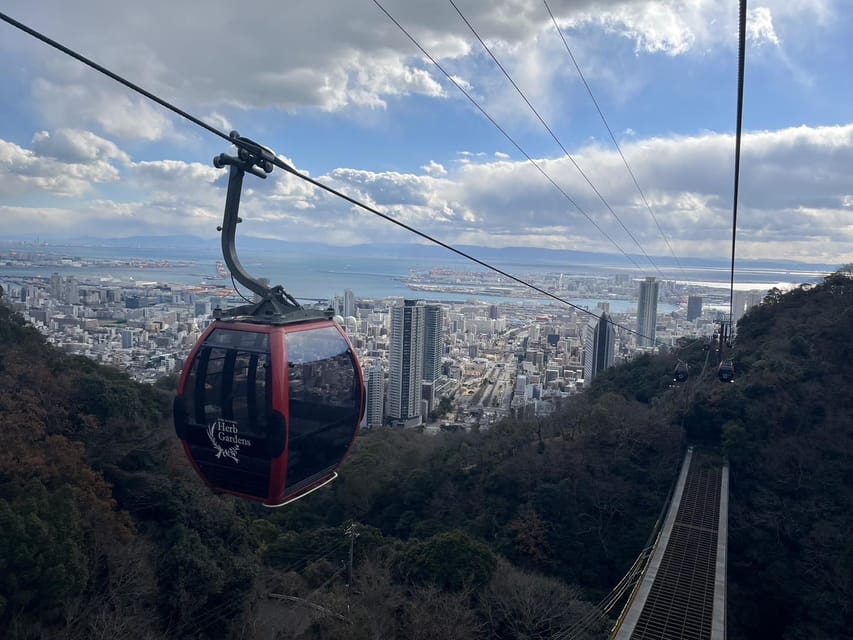
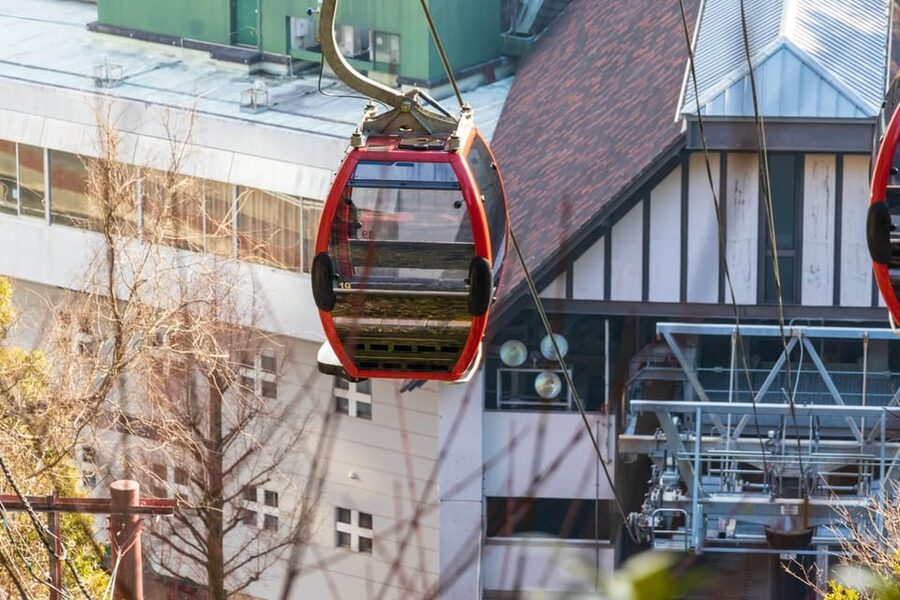
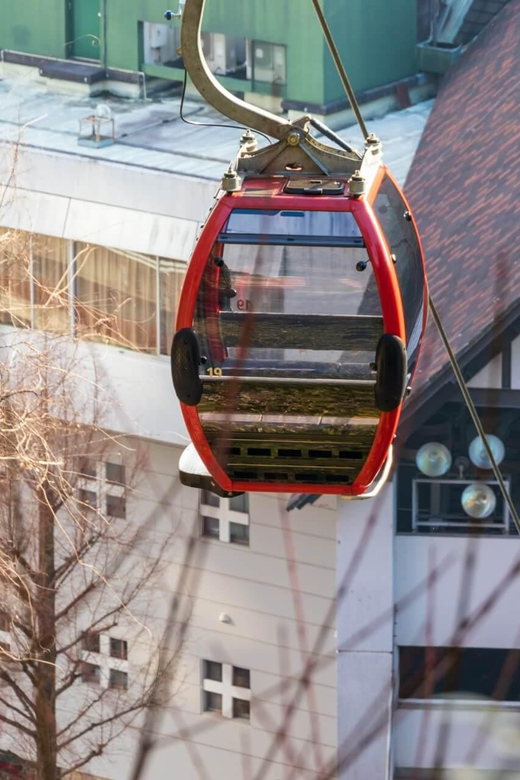
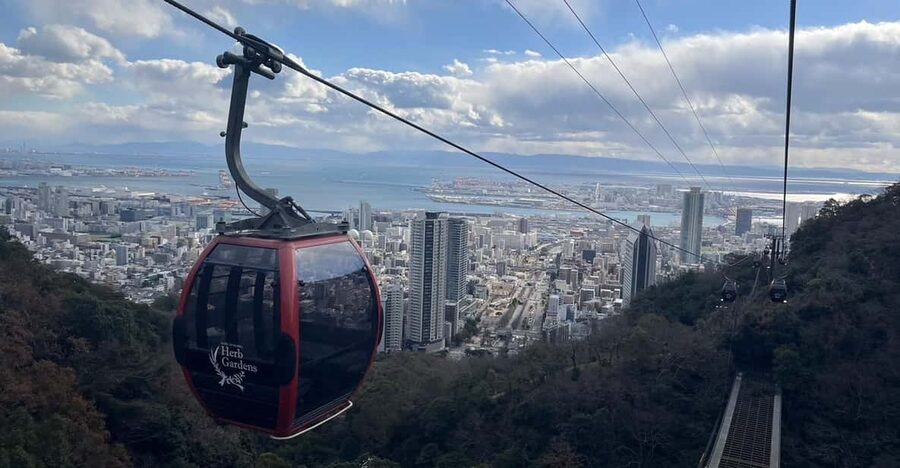
From the station, you walk about 10 minutes to the Kobe Nunobiki Herb Gardens and ropeway. The ropeway ride is the first big visual reward of the day. As the cabin climbs, Kobe opens below you in stages, with the city stretching toward the sea.
At the top, you have about an hour for a guided visit. Expect flowers, herbs, hilltop paths, and broad views across the city. The pleasant scent is part of the appeal, but the views are the main reason to make this stop early in the day.
This opening also sets the tone for the whole tour. You are not only looking at Kobe from street level. You are seeing how closely the city sits between the mountains and the water. Bring a camera, but do not let photography slow you too much. The day has several later stops to fit in.
The ropeway ticket and garden entrance are included. That matters because this would otherwise be one of the more noticeable extra costs of the morning.
Kitano Ijinkan and Kobe’s foreign-era streets
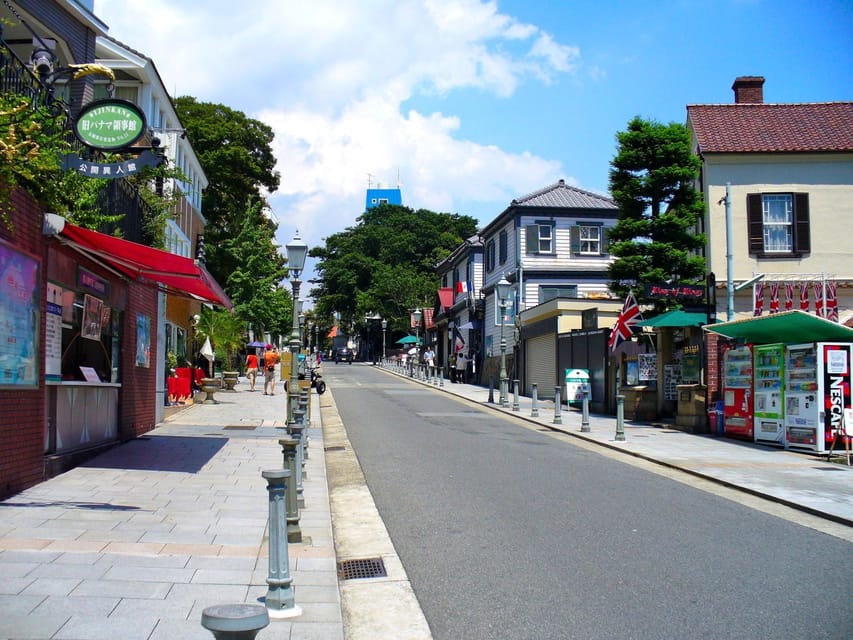
After returning by ropeway, you walk roughly 10 minutes toward Kitano Ijinkan-Gai. The area is known for its old Western-style residences, built during the period when Kobe opened as an international port. The buildings give you a sharp change from the gardens and mountain air.
You have about 40 minutes here with the guide. That is enough for an introduction and a look at the architectural character of the neighborhood, but it is not a long house-by-house tour. If you want to enter every preserved residence, you may need a separate visit another time.
This is one reason an English-speaking guide helps. The appeal is not just the woodwork or unusual exterior. The district shows how foreign trade changed Kobe and how the city developed a style different from older inland Japanese towns.
Expect some uphill and downhill walking in this part of the route. The garden and Kitano together make the morning more physical than the timetable may suggest. Comfortable shoes are essential, and anyone with mobility concerns should ask the guide early about the day’s walking demands.
Ikuta Shrine, one of the city’s oldest sacred sites
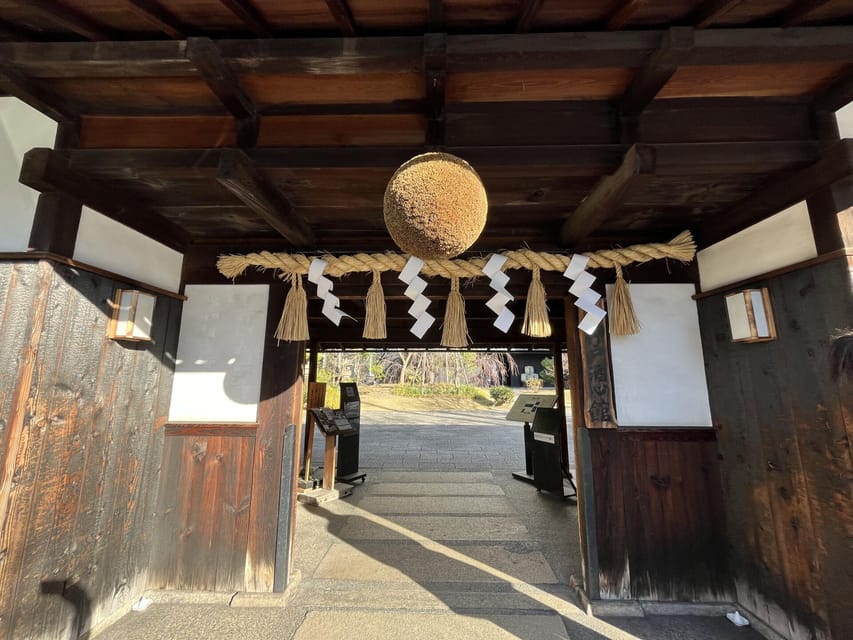
The next stop is Ikuta Shrine, with about 30 minutes for a guided visit. Located near the center of Kobe, this shrine gives you a calmer pause before the city’s shopping and food districts take over.
The shrine is described as one of the oldest in the area and possibly one of the oldest in Japan. Your guide can explain its place in Kobe’s spiritual and civic life, as well as the basic customs you need when visiting a Shinto site.
Thirty minutes is a sensible amount of time for a first look. You can appreciate the approach, the worship area, and the atmosphere without turning the morning into a formal religious study. If you are interested in shrine etiquette, this is a good point to ask questions.
The contrast matters. In a few hours, you have moved from a hilltop garden to foreign-influenced streets and then to a sacred site tied to Japan’s older traditions. That range is one of the strongest features of the tour.
More boozy day trips around Japan:
- Nagano: Snow Monkeys, Zenkoji Temple & Sake Day Trip
★ 4.9 · 833 reviews - Private Nagano 1-Day Tour:Snow Monkeys,Zenko-ji,Obuse,Sake,Onsen
★ 5.0 · 71 reviews - 1-Day Kobe Highlights Tour including Sake Tasting
★ 4.5 · 28 reviews - From Nozawa Onsen: Snow Monkeys and Zenko-ji Day Trip & Sake
★ 4.9 · 13 reviews
Lunch near Shin-Kobe: useful freedom, no included meal
After Ikuta Shrine, the group returns to the Shin-Kobe area for 75 minutes of lunch and free time. Food is not included, so you choose and pay for your own meal.
This arrangement has advantages. You can select Japanese food, international dishes, or something quick if you want to save energy for the afternoon. A guide who can help explain menus is especially useful here. Winki has been praised for helping with menu choices, which could make this free period less stressful for English speakers.
The drawback is that a 75-minute break can disappear quickly, especially if the group needs to meet at a precise time. Listen carefully to the meeting instructions and keep track of where and when to regroup. The tour provider warns that free time is part of the day and asks you to call immediately if you become lost or forget the meeting point.
You may also use spare time for shopping around the city center. I would keep that modest. The afternoon still includes Chinatown, Harborland, and a train ride to the sake district.
Nankin-machi, Kobe’s Chinese quarter
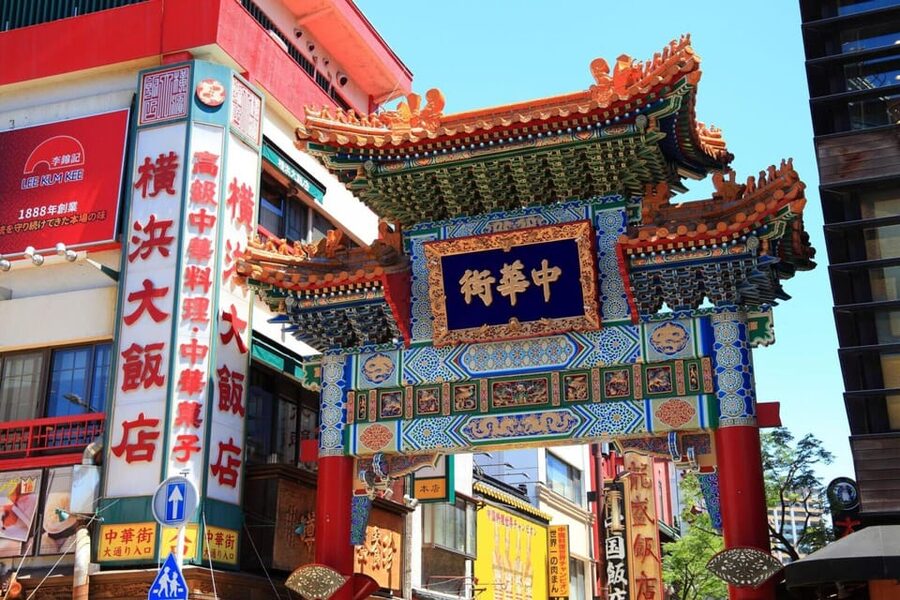
The afternoon begins in Kobe Chinatown, known as Nankin-machi. The guided visit lasts about an hour, giving you time to walk through its Chinese-influenced streets and see a different food and cultural side of the city.
This is a lively stop, but the tour is not presenting Chinatown as a separate full meal. Since lunch is your own responsibility, you should ask the guide whether there is time for a snack here before buying anything. Otherwise, you may spend your meal budget twice or eat more than you want before the sake tasting later.
Nankin-machi works well in the sequence because it changes the mood after the quiet shrine. You move from sacred grounds into a dense commercial district, then continue toward the harbor. The route shows Kobe as a port city shaped by outside connections, trade, and food.
Keep your group’s meeting point in mind. Crowded streets and free moments can make it easy to fall behind, especially if you stop to browse.
Harborland and Kobe’s maritime character
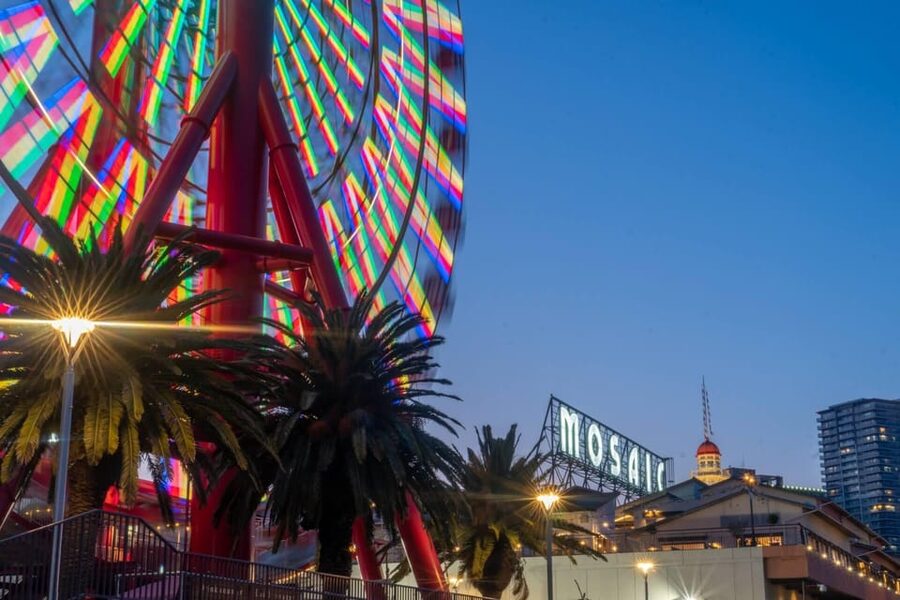
From Chinatown, the group heads toward Kobe Harborland for about 75 minutes. This is your main chance to enjoy the waterfront and watch the city’s maritime side.
The port area offers open views, boats, and a break from the tighter streets of Chinatown. After the morning climb and the city walking, the sea provides a welcome change of pace. You can expect time for photographs and a guided look at the harbor area rather than a boat cruise or water activity.
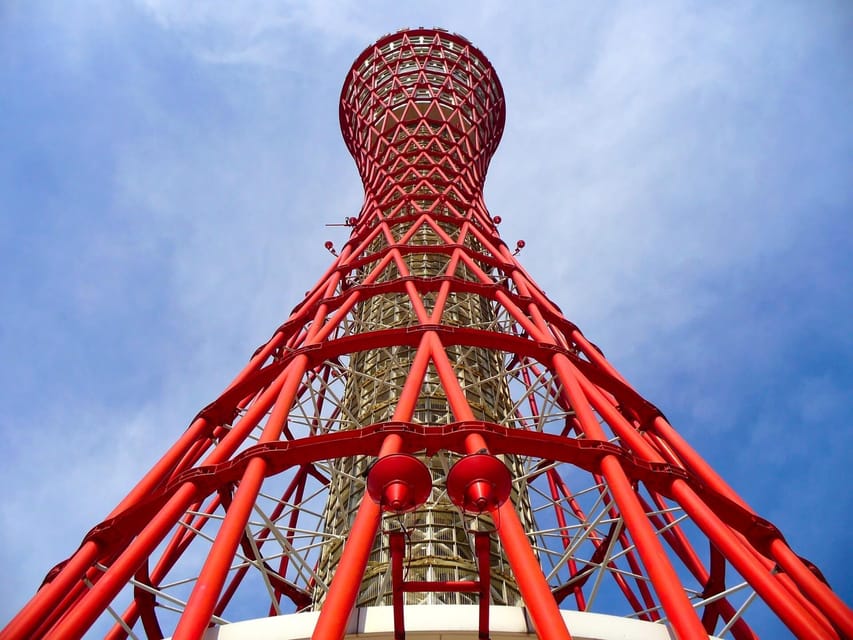
Harborland is also a reminder of Kobe’s identity. The city is not simply a mountain gateway or a food destination. Its growth has always been tied to the port, and the afternoon route makes that connection visible.
The length of this stop is generous compared with some earlier visits, but the day remains active. There may be standing and walking along the waterfront, with little chance to fully rest unless the guide allows it.
Train to Nada-gogo and the sake tradition
The final major stop takes you by train to Nada-gogo, Kobe’s renowned sake-producing area. The train ride takes about 30 minutes, and the return journey to Shin-Kobe also takes about 30 minutes. The required train tickets are included, so you do not need to work out those fares during the tour.
At the sake center, you spend around 40 minutes learning how sake is made and tasting the result. One paid sake ticket is included. Second and later tasting tickets cost extra, and other food or drinks are not included.
This is a compact introduction rather than a full brewery course. You should expect an explanation of sake traditions and production, followed by a chance to taste different varieties or samples available through the included ticket. The exact selection may depend on the venue and current conditions.
Nada-gogo gives the tasting a stronger sense of place. You are not simply trying a famous Japanese drink in a city bar. You are visiting the area known for producing it and hearing how the local tradition fits into Kobe’s identity.
If you do not drink alcohol, check the practical details before booking, since the tour includes a paid sake ticket as part of the visit. The supplied information does not specify a non-alcoholic replacement.
The guide can shape the whole day
The itinerary is broad, so the guide matters. The best part of the experience may be the small bits of help between formal stops: explaining shrine behavior, sorting out a menu, discussing daily life in Japan, or keeping everyone on track through train transfers.
Winki has received especially warm praise for passion about Kobe and for helping with menus and cosmetic choices. That gives you a useful picture of the kind of support an English-speaking guide can provide. It also suggests that this tour works best when you ask questions rather than simply follow along.
There has been less confidence in every guide’s familiarity with the route. One account described a guide as helpful but not fully comfortable with the tour, while still arranging a taxi when a guest could no longer manage the walking. That is worth noting. The service can be considerate, but the quality of explanation may vary by guide and date.
The provider also says times can change because of weather and train conditions. Treat the schedule as a framework, not a guarantee to the minute.
Who should book this Kobe day tour?
I would recommend it to a first-time Kobe visitor who wants a broad introduction in one day and prefers having an English-speaking guide. It suits you if you enjoy walking, like mixing outdoor views with city neighborhoods, and want a planned route through several parts of Kobe.
It is also a good match if you are curious about sake but do not want to organize a separate trip to Nada-gogo. The included train tickets, ropeway entry, and first sake ticket reduce the number of small decisions you need to make.
I would be cautious if you have limited walking ability, tire easily, or want a relaxed day. The 20,000-step estimate from one guest is a serious warning, even though the official information simply describes the tour as extensive outdoor walking. A taxi was needed for one participant who could not continue comfortably.
Wear supportive shoes. Carry water, sun protection, and rain protection. Keep your phone charged, listen closely to meeting instructions, and tell the guide early if the pace is becoming difficult.
Should you book it?
Book this tour if you want Kobe’s mountains, shrine culture, port, Chinatown, and sake in one organized day. The strongest reasons are the varied route, the ropeway views, the included transport, and the chance to learn about Nada-gogo without planning it yourself.
Skip it if you want slow sightseeing or have mobility concerns. At $136, the price is fair for the admissions, train tickets, guide, and included sake tasting, but only if you will use most of the day. For an energetic visitor who wants a useful first look at Kobe, it offers plenty. For a relaxed city break, build your own shorter route instead.
FAQ
Where does the tour begin?
The tour begins at Shin-Kobe Station at 9:30. The meeting point is between the 7-Eleven and the cafe, in front of the directory, where the guide will hold a Snow Monkey Resorts sign.
Where does the tour finish?
The tour returns to Shin-Kobe Station at about 16:30. You are free to continue exploring Kobe afterward.
Is lunch included?
No. You have about 75 minutes for lunch and free time near Shin-Kobe, but you must pay for your own food and drinks.
What is included in the price?
The price includes admission to Kobe Nunobiki Herb Gardens and its ropeway, train tickets needed for the tour, one paid sake ticket, and an English-speaking guide.
Is the tour suitable for people who do not walk much?
The tour involves extensive outdoor walking and may total about 20,000 steps. Comfortable shoes and suitable clothing are recommended. Anyone concerned about stamina should consider this carefully and tell the guide if they feel uncomfortable.
Can I cancel the booking?
You can cancel up to 24 hours before the tour for a full refund. The reserve-now, pay-later option lets you book without paying immediately.
Just added around Japan
- Tokyo : Asakusa Food Tour – 12 Dishes & 3 Drinks★ 5.0 · 44 reviews
- Private sake pairing@ancient underground★ 5.0 · 27 reviews
- Sake & Seasonal Delights Sake Pairing Lunch at the Brewery★ 5.0 · 8 reviews
- Tokyo: Toshimaya Sake Brewery Tour with Sake Tasting★ 5.0 · 6 reviews
- Tokyo: Sushi Cooking Class with Sake Tasting★ 4.8 · 55 reviews
- Tokyo: The Best Izakaya Tour in Shibuya★ 4.7 · 15 reviews
- Tokyo: Shinjuku Izakaya and Golden Gai Bar Hopping Tour (2h)★ 4.9 · 67 reviews
- Tokyo: Shinjuku Nightlife Tour with Karaoke and Bar Hopping★ 4.1 · 4 reviews
Sake Tasting, compared.
Best of Shinjuku: Izakaya Food Tour (4 Stops, 14+ Tastings)
Read our review →
Shinjuku Local Bar and Izakaya Guided Walking Tour
Read our review →
1-Day Snow Monkeys, Zenko-ji Temple & Sake in Nagano
Read our review →
3-Hour Kyoto Insider Sake Brewery Tour with Tastings & Pairings
Read our review →

Nagano: Snow Monkeys, Zenkoji Temple & Sake Day Trip
Read our review →

Insider Sake Brewery Tour with Sake and Food Pairing
Read our review →Browse the lists this tour appears in