
REVIEW · TOKYO BOOZY TOURS
Tokyo: Sushi Cooking Class with Sake Tasting
Start with a supermarket, not a sushi bar. This four-hour Tokyo cooking class gives you two things I especially like: hands-on Japanese home cooking and a guided look at how locals choose ingredients. The four-sake tasting with lunch is another strong touch. The main drawback is that allergy accommodations are not guaranteed, and parts of the route may not suit wheelchairs or strollers.
The class takes place in a small group of no more than seven people, which matters when you are learning knife skills or shaping sushi. Guides such as Tiger, Suzy, Takahito, Mahori, Fuji, and Mihori have been praised for patience, clear explanations, and making children feel included. You should also know that the meeting point is at Iriya Station, not directly in Asakusa.
Key Points to Know Before Booking
- Shop for ingredients at a Tokyo supermarket: Your guide helps you compare fish, vegetables, seasonings, and other everyday Japanese products.
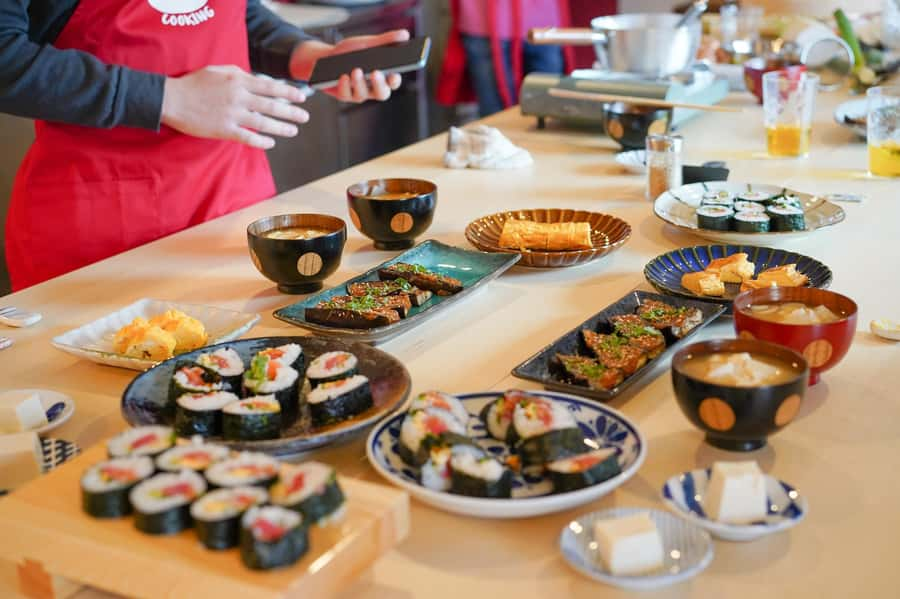
- Learn more than sushi rolls: The menu can include miso soup, eggplant dengaku, dashimaki tamago, small dishes, and properly seasoned sushi rice.
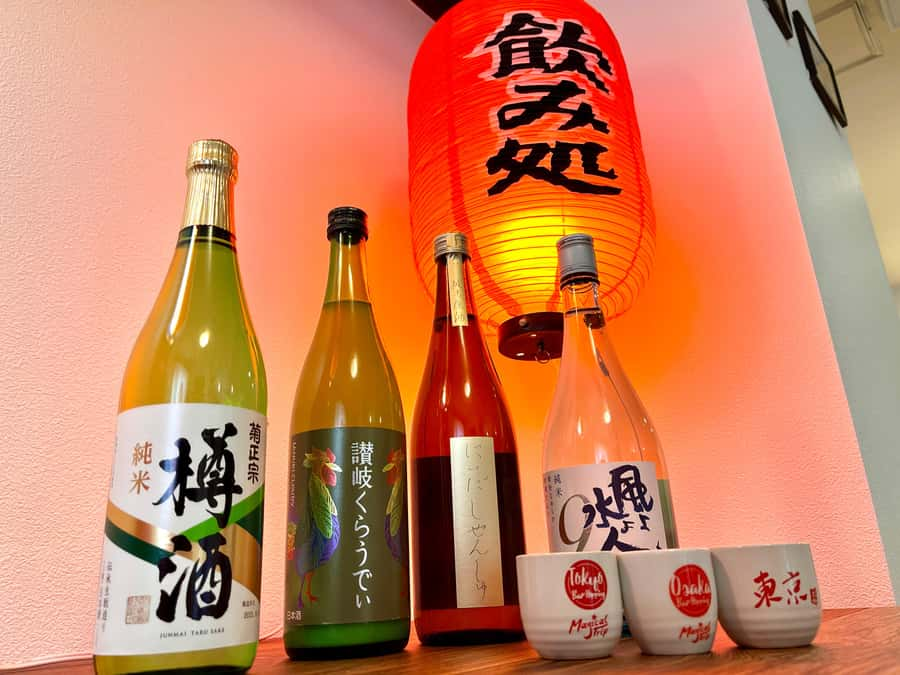
- Taste four kinds of sake: Each selection is paired with sushi and Japanese food during the meal.
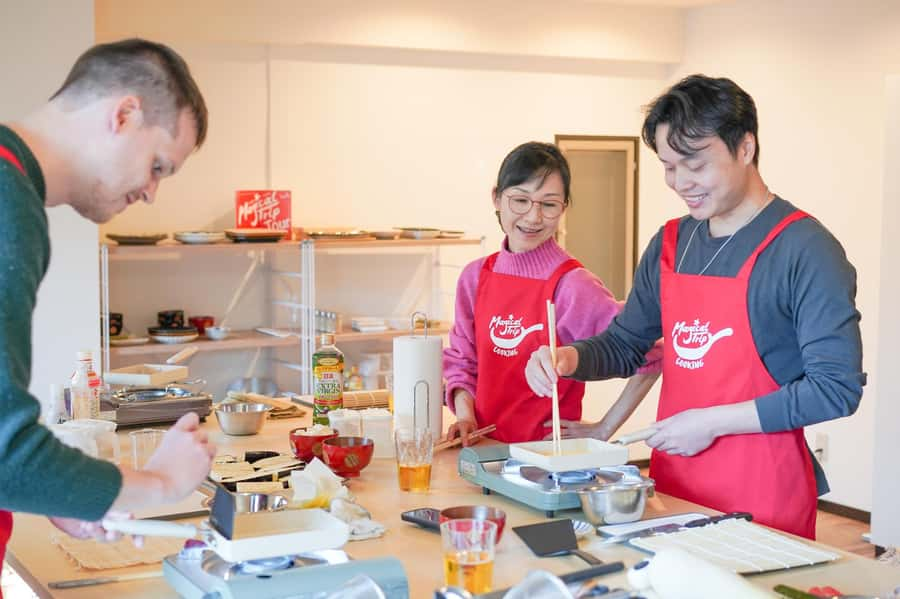
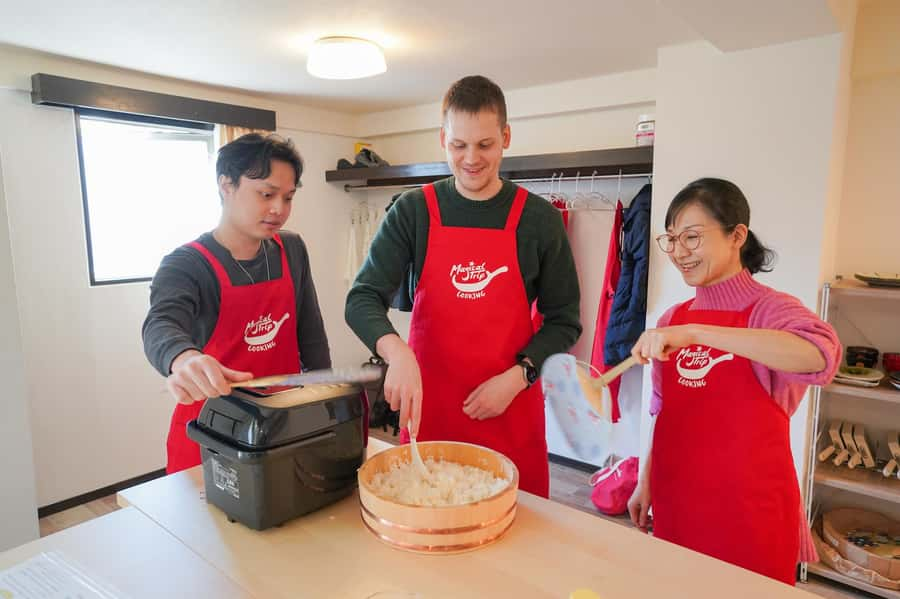
- Work in a professional kitchen studio: The class begins with basics such as knife handling and dashi preparation, so beginners can keep up.
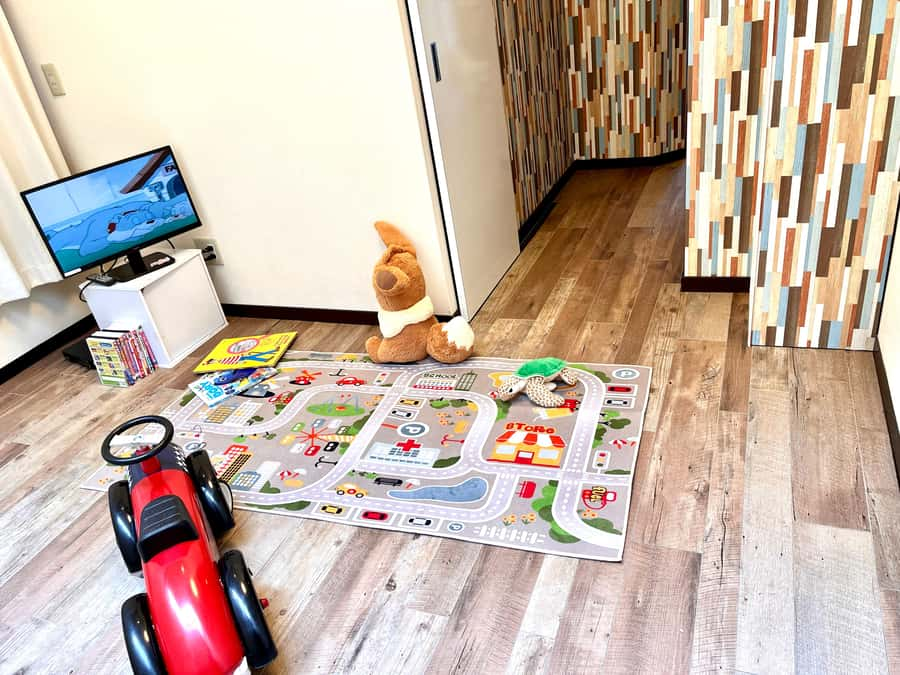
- Bring the family: All ages are welcome, and a kids playroom is available for little ones.
- Leave with recipes and photos: You can repeat the dishes at home, and photos are taken during the class.
Why the Supermarket Visit Matters
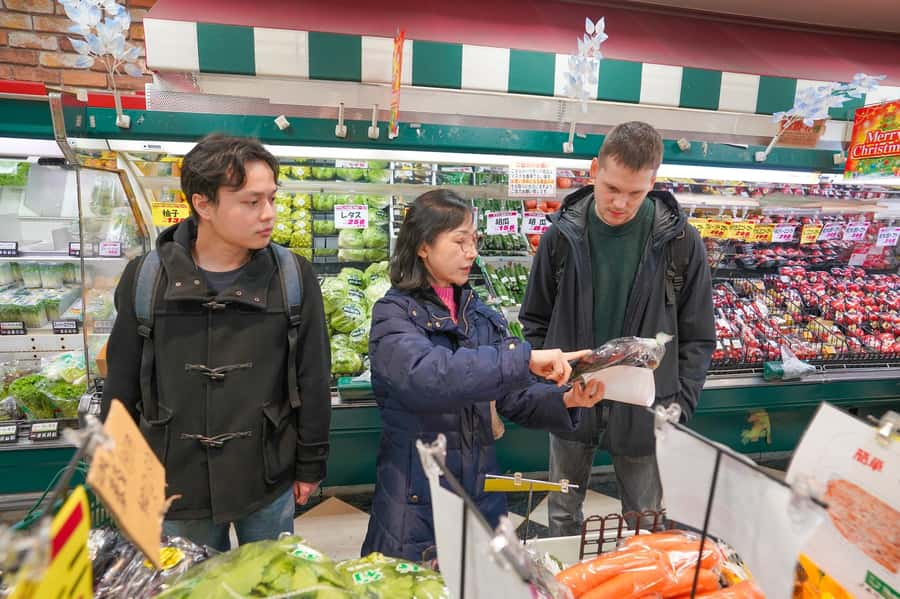
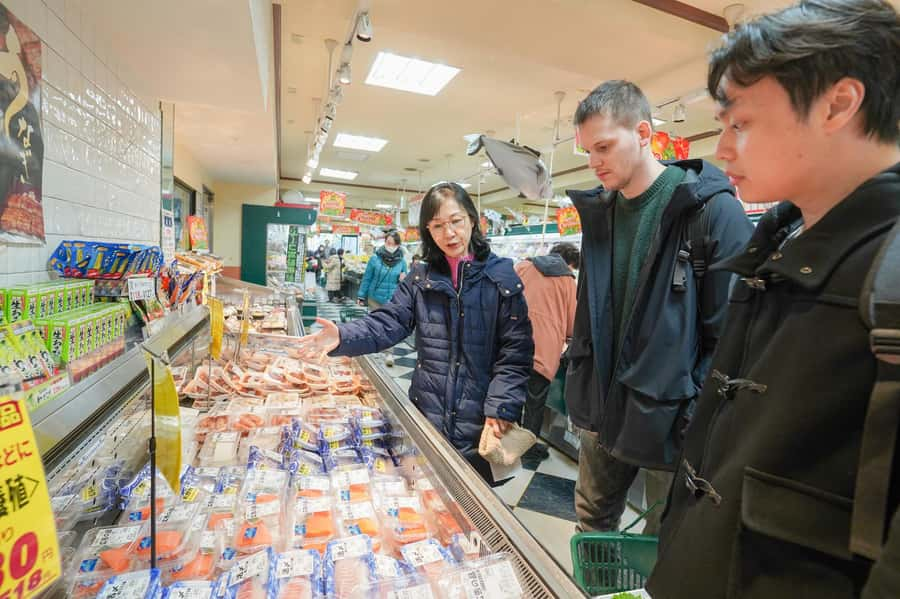
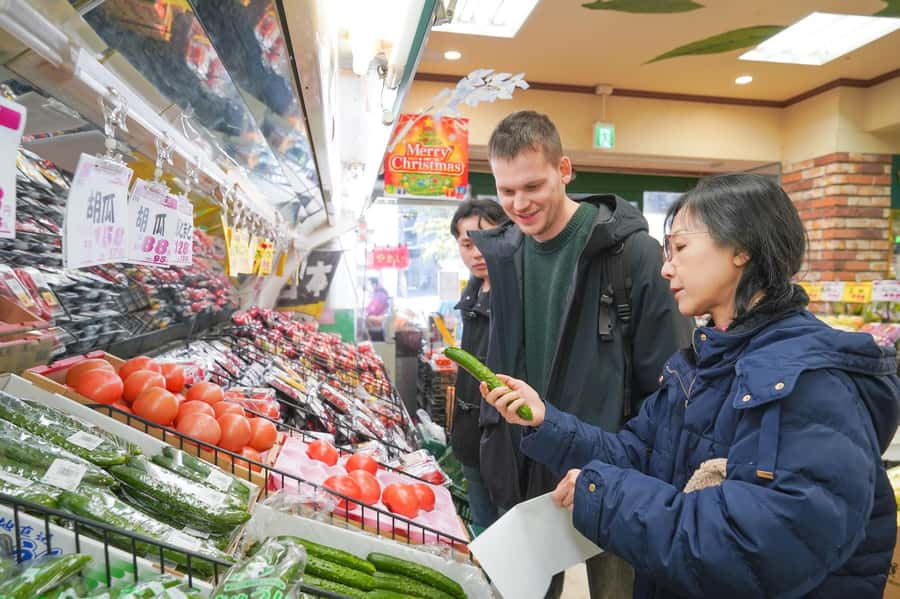
The first part of the morning or afternoon takes you into a local supermarket with your English-speaking guide. This is more useful than it may sound. A Japanese supermarket can be confusing at first, with unfamiliar seasonings, different cuts of fish, prepared foods, and produce that may not be labeled in English.
Your guide helps you understand what goes into the dishes you will cook. You can learn how to judge fresh ingredients, choose suitable vegetables, and recognize seasonings used in Japanese home kitchens. The point is not simply to collect groceries. It is to connect the final meal with the ordinary food culture of Tokyo.
This stop also gives you a glimpse of daily life away from the city’s famous restaurant counters. You are looking at the same broad range of meats, fish, vegetables, and sauces that local cooks use at home. For me, that makes the class more useful than a cooking lesson that begins with all the ingredients already lined up.
The supermarket portion requires some walking and attention. If you have mobility concerns, keep in mind that the full route includes places that are not accessible by wheelchair or stroller. The exact shopping route and ingredient selection can vary, so you should think of this as a guided introduction rather than a fixed market tour.
More Sake Tastings in Tokyo
- Best of Shinjuku: Izakaya Food Tour (4 Stops, 14+ Tastings)
★ 5.0 · 1,863 reviews - Tokyo: Shinjuku Local Bar and Izakaya Guided Walking Tour
★ 4.9 · 1,794 reviews - Tokyo: Shinjuku Local Bar & Izakaya Crawl Tour
★ 5.0 · 890 reviews
From Knife Basics to Sushi Rice
After shopping, you move to a professional kitchen studio in the Asakusa and Kappabashi shopping district. Kappabashi is known for restaurant supplies, so the location fits the subject. It also gives you a convenient base for exploring Asakusa after the class.
Instruction starts at the beginning. You learn how to hold a Japanese kitchen knife properly before moving on to preparation. That is important for beginners, since Japanese knives can feel different from the tools you use at home.
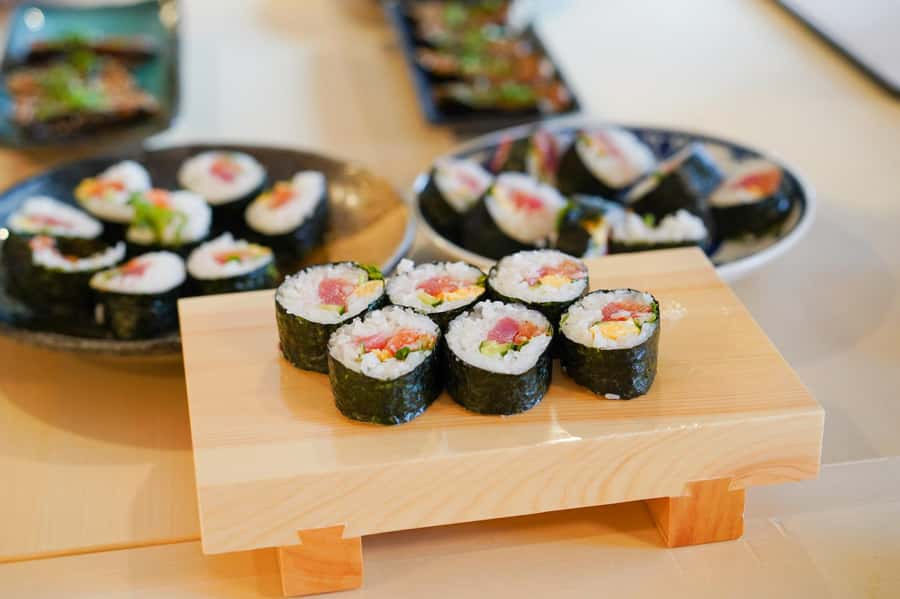
The cooking lesson covers core techniques rather than one flashy dish. You may prepare dashi, the stock used in miso soup, and season sushi rice with vinegar. These steps teach you why the food tastes the way it does. They also give you skills you can use in other Japanese recipes.
Sushi is the headline attraction, but it is only one part of the meal. You work on sushi rolls along with traditional home-style dishes such as miso soup, eggplant dengaku, small side dishes, and dashimaki tamago, a rolled Japanese omelet.
Dashimaki tamago is a particularly good classroom dish because it takes patience and coordination. You need to roll the egg in stages rather than simply scramble it in a pan. The class setting lets you try, correct your technique, and ask questions without needing to figure it out from a cookbook.
A Four-Hour Class with Room to Participate
The class lasts four hours, including the supermarket visit, cooking, sake tasting, and lunch. That gives the guide time to explain each step without reducing the session to a rushed demonstration.
The small group limit of seven is one of the strongest practical features. A cooking class becomes frustrating when you can barely see the instructor or wait too long for help. Here, you have a better chance to handle the ingredients yourself and receive help when a roll comes apart or an omelet refuses to cooperate.
The guides receive especially strong praise for patience and clear teaching. Takahito is noted for taking time with recipes, while Mahori made the class easy for both adults and a young child. Fuji also worked patiently with two boys and explained the steps in a way they could follow.
Those details point to the class’s best quality: it is built for participation. You are not simply watching a chef work. The food may not look perfect on your first try, but that is part of the value. You learn what the process feels like, including the small corrections that make home cooking easier.
The class is conducted in English. Several guide names are associated with the sessions, including Tiger, Suzy, Takahito, Mahori, Fuji, Mihori, Sho, and Taka. The exact guide depends on the date, but the repeated praise for friendly explanations and a relaxed mood is encouraging.
What You Eat for Lunch
Once the cooking is finished, you sit down to eat what you have prepared. Lunch is included, and the menu centers on sushi, miso soup, and the other Japanese dishes made during the session.
This meal is more satisfying than a quick tasting because you have seen the ingredients, handled the tools, and followed each recipe. You understand the work behind the food, and you can compare your result with the instructor’s guidance.
The class also includes tea. That is a small detail, but it helps round out the meal and gives you a non-alcoholic drink during the cooking portion.
The menu is not presented as a restaurant tasting course. It is a lesson in Japanese home cooking. If you want elaborate sushi artistry or a professional chef’s counter, choose a different activity. If you want to understand the building blocks of several everyday dishes, this format offers better value.
More sake tastings around Tokyo:
- Shibuya: Local Bar & Izakaya Crawl
★ 4.9 · 354 reviews - Ramen and Sushi Cooking Class with Sake Pairing Set in Tokyo
★ 5.0 · 291 reviews - Sake Tasting Masterclass in Shinjuku (8+ Varieties with a Pro)
★ 5.0 · 271 reviews - Sake Omakase in Tokyo: Guided Tasting by Certified Sommeliers
★ 5.0 · 239 reviews
Four Sake Pairings with Japanese Food
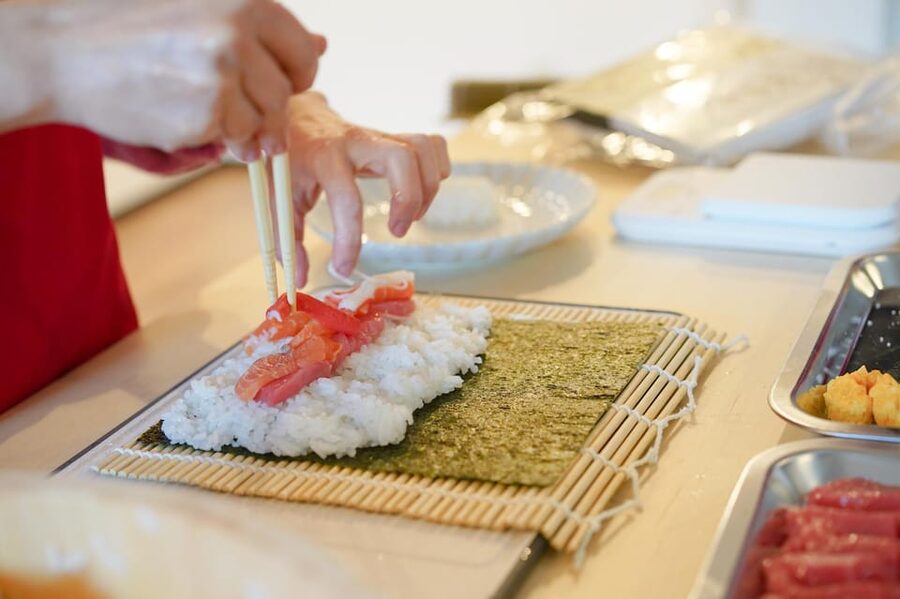
Sake tasting is included rather than sold as an extra. You can choose a favorite from four premium sake varieties and try the drinks alongside sushi and traditional Japanese food.
This pairing gives the tasting a clear purpose. You are not sampling sake in isolation. You can notice how different drinks work with rice, soup, egg dishes, and other flavors from the meal.
The class does not promise a formal sake lecture, so you should see this as a pleasant introduction rather than a specialist tasting course. Still, four varieties provide enough range to help you decide what you like. If you do not drink alcohol, the cooking and lunch remain the main focus, but the supplied information does not specify a substitute for the sake tasting.
Because the activity lasts four hours and includes food, the sake portion should fit naturally into the day. Drink at your own pace, especially if you have afternoon plans in Tokyo.
A Family-Friendly Cooking Lesson
All ages can join, and the class includes a kids playroom. That makes it more practical for families than many food activities, where children must remain seated at a counter for a long stretch.
The instructor feedback is especially useful for parents. Mahori included a young son without rushing the class, and Fuji made two boys feel involved while explaining the recipes patiently. That suggests children are expected to take part, not simply wait while adults cook.
Still, this is a real kitchen class. Young children may need close supervision around knives, hot surfaces, and food preparation. The information confirms that a playroom is available, but it does not describe its staffing or exact setup, so ask ahead if that detail matters to your family.
The class can also work well for adults with no cooking background. The instruction begins with knife handling and basic preparation, so you do not need advanced skills. People who already cook Japanese food may find the supermarket explanations and sake pairings more useful than the introductory knife lesson.
Vegetarian, Vegan, and Allergy Considerations
Vegetarian and vegan participants are welcome. The organizers can arrange ingredients and adjust the cooking process for those diets.
Allergy concerns require more care. The kitchen does not guarantee an allergy-free environment, and substitutions may not be possible at every stop. The organizers say they will make efforts to compensate at different stops, but you should provide your dietary information before booking and make your own decision about safety.
This point matters in a Japanese cooking class because common ingredients and seasonings can appear in several dishes. If you have a serious allergy, do not assume that a simple substitution will solve the problem. Ask specific questions before committing.
The same advice applies to strict dietary restrictions. Vegetarian and vegan arrangements are explicitly supported, but other needs are handled on a best-effort basis.
Finding Iriya Station and Planning Your Day
The meeting point is in front of the FamilyMart next to the Gindako takoyaki shop at Exit 2 of Iriya Station. There are two FamilyMart stores at Iriya Station, so use the nearby Gindako and Doutor Coffee as your landmarks.
This detail is worth taking seriously. The tour starts on time, and you cannot join, reschedule, or receive a refund if you arrive late and miss the group. Give yourself extra time to locate Exit 2 and confirm that you are at the correct convenience store.
The activity ends back at the same meeting point. The kitchen studio is in the Asakusa and Kappabashi area, and after the meal you are invited to continue with sightseeing and shopping there. That makes this a smart choice for a day that also includes Asakusa.
You might plan temple visits, shopping, or restaurant-supply browsing after the class, but do not make a tight appointment immediately afterward. Cooking lessons can run at a natural pace, and you will likely want time to enjoy the meal.
Tokyo summers are hot and humid. Bring water and wear a hat, especially during the supermarket walk and transfers between locations.
Is $112 a Fair Price?
At $112 per person, the cost is not cheap for a cooking class, but the package includes several separate elements: four hours of instruction, a supermarket visit, ingredients, lunch, tea, four sake tastings, photos, and recipes.
The small group size improves the value. You are paying for access to a guide who can correct your knife work, answer questions, and help you through the recipes. The class also gives you skills you can use after Japan, rather than only a meal that disappears when lunch is over.
The supermarket stop adds local context, while the sake pairing adds a second cultural subject. If you booked a supermarket tour, cooking lesson, meal, and sake tasting separately, the combined price could easily become higher and take more time.
The value is weaker if you only want to eat sushi or watch a chef. You pay for active participation, so the price makes the most sense when you plan to cook, ask questions, and take the recipes home.
What You Take Home
At the end, you receive recipes for the dishes prepared in class. That is one of the most practical inclusions because the lesson covers several techniques that can be hard to remember later.
You can use the recipes to prepare sushi rolls, miso soup, eggplant dengaku, dashimaki tamago, and other small dishes at home. The supermarket visit also helps you recognize some of the ingredients you may need.
Photos are taken during the tour, giving you a record of the cooking session. The supplied details do not state how or when the photos are delivered, so treat this as a nice extra rather than the main reason to book.
Who Should Book This Tokyo Cooking Class?
I would recommend it to first-time visitors who want a practical food activity instead of another restaurant meal. It also suits families, beginners, and anyone curious about Japanese ingredients beyond sushi.
You should book it if you like small groups, enjoy learning by doing, or want recipes you can repeat at home. The class is also a good fit if you are staying near Asakusa or planning to explore Kappabashi afterward.
You may want to skip it if you have severe allergies, need full wheelchair or stroller access, or prefer a polished dining experience with no hands-on work. The route includes walking, the class begins promptly, and the kitchen format requires participation.
For most people who want food, culture, and useful skills in one half-day, this is a strong Tokyo choice. The combination of supermarket shopping, home-style cooking, four sake pairings, and patient instruction gives you a fuller picture of Japanese cuisine than a standard meal alone.
FAQ
How long does the Tokyo sushi cooking class last?
The activity lasts four hours, including the supermarket visit, cooking lesson, lunch, and sake tasting.
How much does the experience cost?
The listed price is $112 per person.
Where does the class meet?
Meet in front of the FamilyMart next to the Gindako takoyaki shop and Doutor Coffee at Exit 2 of Iriya Station.
Are there two FamilyMart stores at Iriya Station?
Yes. You need the FamilyMart beside Gindako and Doutor Coffee.
Where does the activity finish?
The tour ends back at the same meeting point.
Is the class taught in English?
Yes. The live guide language is English.
How many people can join the group?
The group is limited to seven participants.
What food will I learn to prepare?
The class can include sushi rolls, miso soup, eggplant dengaku, dashimaki tamago, and small Japanese side dishes.
Is sake tasting included?
Yes. You can taste four kinds of sake paired with sushi and Japanese cuisine.
Can children join the class?
Yes. All ages can join, and a kids playroom is available.
Can vegans and vegetarians participate?
Yes. Vegan and vegetarian participants are welcome, with ingredients and cooking steps arranged for those diets.
Are allergies fully accommodated?
No. An allergy-free kitchen cannot be guaranteed, and substitutions may not be possible at every stop. The organizers will make efforts to help where possible.
Can I cancel for a full refund?
You can cancel up to 24 hours in advance for a full refund.
Can I reserve now and pay later?
Yes. The reserve-now, pay-later option lets you hold a place without paying immediately.
What happens if I arrive late?
The group starts on time. If you arrive late and miss the group, you cannot join, reschedule, or receive a refund.
More Workshops in Tokyo
- Bruges: Belgian Waffle-Making Workshop with Beer Tasting
★ 4.9 · 960 reviews - Paella Workshop with Bottomless Sangria in Central Madrid
★ 5.0 · 763 reviews - The Waffles ‘n Beer Workshop in Bruges Centre
★ 5.0 · 429 reviews - Taste of Spain: Tapas Cooking Class with Bottomless Wine Pairing
★ 5.0 · 414 reviews
More Cooking and Drinking Classes around Tokyo
- Tokyo Washoku 4-hour Cooking Class: From Market to Table
★ 5.0 · 253 reviews - Tokyo: Sushi and Ramen Cooking Class with Sake Pairing Set
★ 5.0 · 81 reviews - Tokyo: Night Cooking Class: 5 Home-Cooked Japanese Dishes
★ 4.9 · 13 reviews - Paella Cooking Class in Madrid with Bottomless Wine Pairing
★ 5.0 · 985 reviews
Just added around Tokyo
- Tokyo: Toshimaya Sake Brewery Tour with Sake Tasting★ 5.0 · 6 reviews
- Tokyo: The Best Izakaya Tour in Shibuya★ 4.7 · 15 reviews
- Tokyo: Shinjuku Nightlife Tour with Karaoke and Bar Hopping★ 4.1 · 4 reviews
- Tokyo: Sushi and Ramen Cooking Class with Sake Pairing Set★ 5.0 · 81 reviews
- Tokyo: Shinjuku Izakaya and Golden Gai Bar Hopping Tour (2h)★ 4.9 · 67 reviews
- Tokyo: Shinjuku Hidden Japanese Bar Tour (Neon Light City)★ 5.0 · 4 reviews
- Tokyo: Shinjuku Golden Gai Bar Hopping that only locals know★ 5.0 · 5 reviews
- Tokyo: Shinjuku Bar Hopping & Karaoke Night Tour★ 4.9 · 19 reviews
Sake Tasting, compared.
Best of Shinjuku: Izakaya Food Tour (4 Stops, 14+ Tastings)
Read our review →
Shinjuku Local Bar and Izakaya Guided Walking Tour
Read our review →
1-Day Snow Monkeys, Zenko-ji Temple & Sake in Nagano
Read our review →
3-Hour Kyoto Insider Sake Brewery Tour with Tastings & Pairings
Read our review →

Nagano: Snow Monkeys, Zenkoji Temple & Sake Day Trip
Read our review →
Insider Sake Brewery Tour with Sake and Food Pairing
Read our review →Browse the lists this tour appears in