
REVIEW · NAGANO BOOZY TOURS
Nagano: Snow Monkeys, Zenkoji Temple & Sake Day Trip
Snow, temples, sake, and monkeys make a fine day. This Nagano day trip brings together three very different sides of Honshu: the quiet Buddhist world of Zenkoji Temple, the local pleasure of a sake tasting and generous lunch, and the strange delight of watching Japanese macaques soak in hot springs. I especially like the well-paced mix of guided visits and free time, and the fact that lunch, park admission, transport, and sake tasting are included. The main consideration is the long, sometimes icy walk to Jigokudani Monkey Park, so this is not a good choice if you have mobility limits or dislike slippery winter paths.
At $135 per person, I think the price is fair for a full day that can run from eight to twelve hours. It is particularly useful if you are staying in Hakuba or arriving by train and want someone else to handle the road connections. The monkeys are the headline act, but guides such as Dylan, Brent, Tom, Kevin, Hiroshi, and John have made the temple, food, and local stories feel like worthwhile parts of the day rather than filler between bus rides.
Key points at a glance
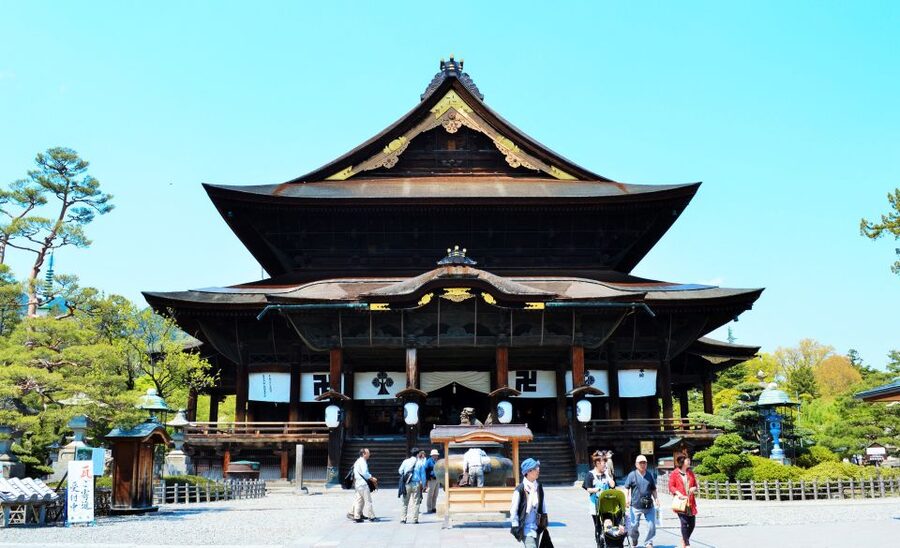
- Zenkoji begins the day with real cultural context: You get about 90 minutes at one of Japan’s oldest and most important Buddhist temples, with time for the grounds and the optional dark passage beneath the inner sanctuary.
- The sake stop is small but useful: You taste several varieties and hear how different styles are made before lunch. Non-alcoholic sake is available for anyone under 20 or avoiding alcohol.
- Lunch is one of the strongest parts of the outing: Expect a substantial Japanese meal with choices such as beef, seafood, or vegetarian dishes, plus miso soup, tempura, sushi, and other courses depending on the restaurant.
- The monkey walk is the day’s physical test: The route covers about 1.6 kilometers to and from the park, and packed snow or ice can make it slippery.
- Hakuba pickup makes this practical for ski visitors: Winter shuttle service runs from selected Hakuba locations, with return to Hakuba in the evening.
- The monkeys are wild animals, not a guaranteed show: They often gather around the hot springs, but on a few days each year they may not come down to the park.
Why this Nagano day trip works so well
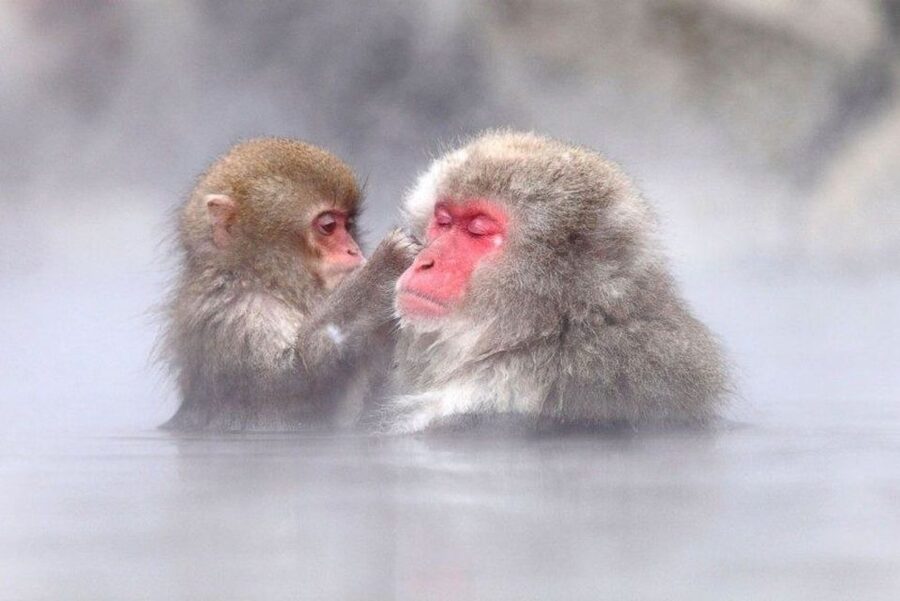
Nagano is easy to reduce to one image: monkeys sitting in steaming water while snow falls around them. That picture is real, but it leaves out the pleasures around it. This tour gives you a better sense of the area by pairing the park with a major temple, local sake, and a proper meal.
I like the order because the morning starts in town, where you can walk through Zenkoji’s approach and hear about Nagano’s religious traditions. The sake tasting then gives you a short, social stop before lunch. After eating, you head into the wooded area around Jigokudani, where the pace changes from town walking to a forest trail.
The tour is led in English, and the guide quality matters here. Guides including Dylan, Brent, Kevin, Tom, Hiroshi, John, Jens, and Kieron have been praised for explaining local customs, answering questions, and keeping the long coach rides lively. One guide even used trivia during the drive, while another shared food and sightseeing suggestions for the rest of Japan.
You should expect a full day rather than a quick excursion. The standard meeting time at Nagano Station is 9:35 AM, though a 9:00 AM departure may be added in winter if the later departure fills. The day usually finishes at Nagano Station around 5:30 PM. Hakuba departures begin much earlier, at 7:40 AM from Hakuba Tokyu Hotel or 7:55 AM from Hakuba Happo Bus Terminal, with a return around 6:45 PM.
More sake tastings around Japan:
- Best of Shinjuku: Izakaya Food Tour (4 Stops, 14+ Tastings)
★ 5.0 · 1,863 reviews - Tokyo: Shinjuku Local Bar and Izakaya Guided Walking Tour
★ 4.9 · 1,794 reviews - 1-Day Snow Monkeys, Zenko-ji Temple & Sake in Nagano
★ 5.0 · 1,020 reviews
Zenkoji Temple gives the day a strong start
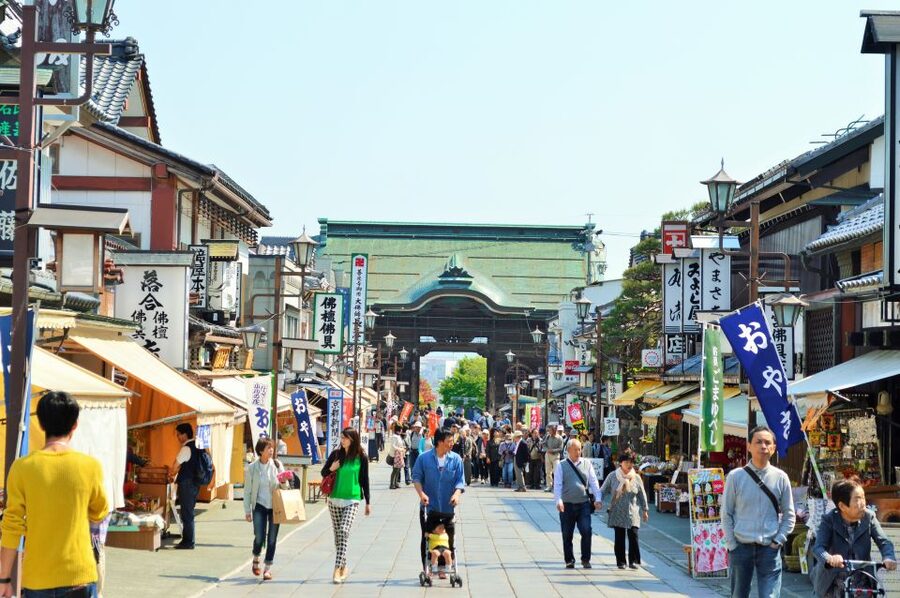
Zenkoji is not a token photo stop. It is one of Japan’s oldest and most important Buddhist temples, and the broad approach to the main hall gives you time to notice the transition from ordinary Nagano streets to a more ceremonial setting.
You receive about 90 minutes here with a guide. That is enough for an explanation of the temple’s place in Japanese Buddhism, a walk through the grounds, and some time to look around at your own pace. Guides have also pointed out local plants, Nagano traditions, and details along the approach, which helps you see more than just the main building.
An optional visit to the inner sanctuary costs extra. The famous pitch-black passage beneath the temple is part of this option, and several people have described it as a memorable experience. You cannot see your hand in front of your face, so it is a little unnerving in a harmless, good-humored way. If you dislike confined spaces or prefer not to pay extra, the main temple visit still works on its own.
The temple stop is also a smart counterweight to the monkey park. The macaques are entertaining, but Zenkoji gives the day a sense of place and puts Nagano into a wider cultural setting. I would pay attention during the guide’s talk, then save time for a quiet look around rather than treating the visit as a quick checklist item.
Sake tasting turns a short stop into a local lesson
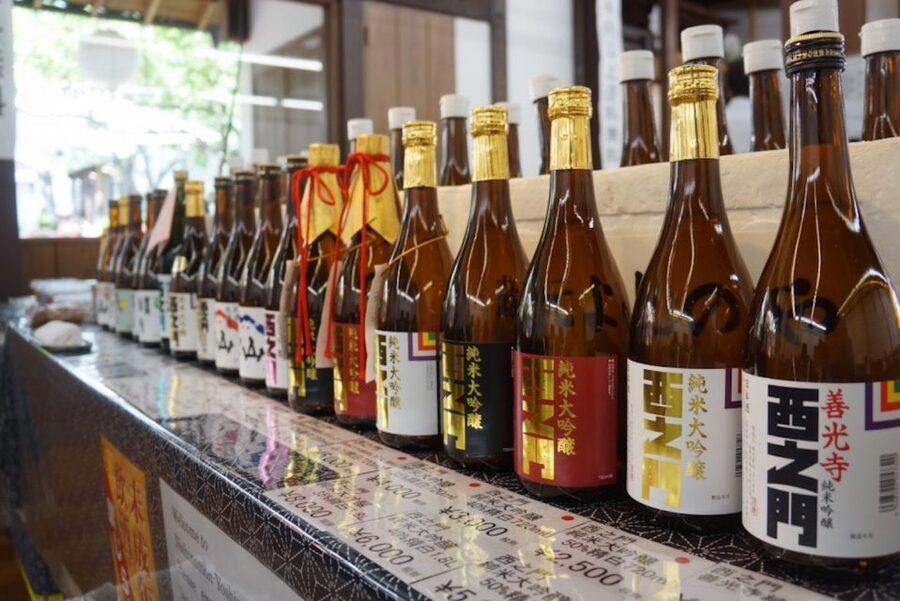
The tasting takes about 30 minutes at a local stop. It is not a long brewery tour, so you should not expect a full production visit. What you do get is a chance to compare several sakes and hear about different companies and ways of making the drink.
This is a good format for beginners. You can notice that sake is not one single flavor, and the guide can explain the differences without turning the stop into a technical lecture. Small portions make it easy to taste more than one variety before lunch.
In Japan, you must be at least 20 to consume alcohol. If you are younger or simply do not drink, non-alcoholic sake is available. That makes the stop more inclusive, though children and non-drinkers should understand that the tasting itself is brief rather than a separate activity designed around them.
I like the timing. The tasting comes before lunch, so it feels like part of the local food experience rather than an awkward add-on at the end of a long day. It also gives you something to talk about with the guide and the rest of the group during the next drive.
Lunch is far better than a basic tour meal
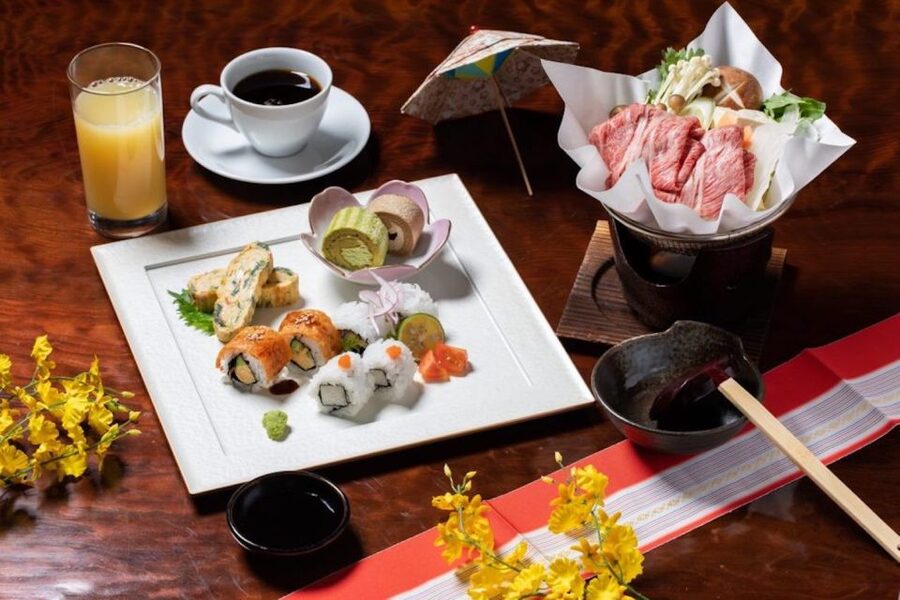
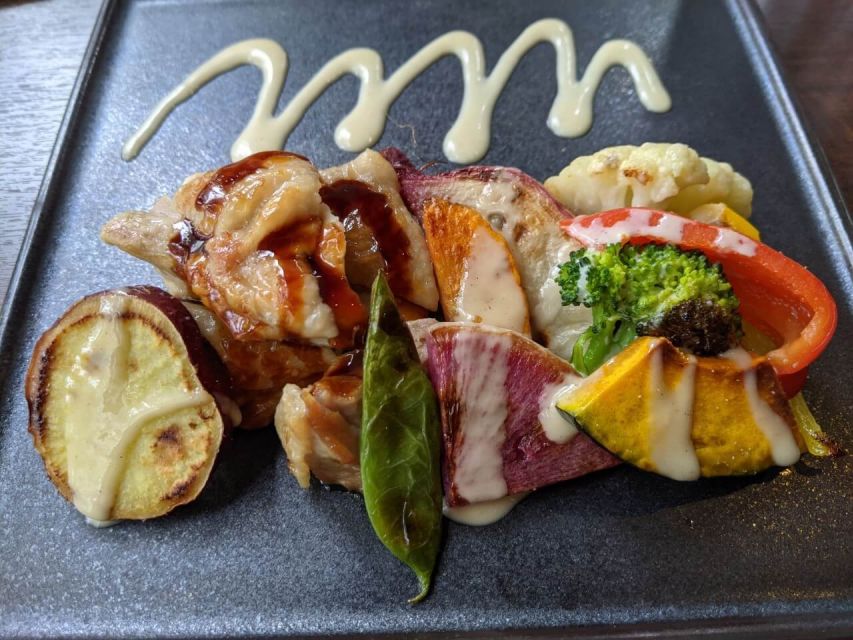
Lunch lasts about an hour at a local restaurant, and it is one of the reasons this tour offers decent value. The meal is described as a substantial Japanese spread, with options such as beef, seafood, or vegetarian dishes, miso soup, tempura, sushi, and several courses.
Some of the restaurants are in older buildings, including one described as more than 150 years old. The setting may change according to availability, but the aim is clear: give you a meal that shows off Nagano rather than a rushed sandwich beside a highway.
I would tell the operator about allergies as early as possible. Vegetarian meals are available, and food allergies can be accommodated when arranged ahead of time. Gluten-free diners should take special care. One gluten-free meal had fewer choices and replaced sushi with plain rice, so you should not assume the standard meal will translate perfectly to every dietary need.
The lunch is especially useful before the park walk. You have a full afternoon outside, often in cold conditions, and a proper meal is better fuel than a quick snack. Additional food, snacks, and drinks are not included, so bring water and anything else you need for the trail.
More boozy day trips around Japan:
- Private Nagano 1-Day Tour:Snow Monkeys,Zenko-ji,Obuse,Sake,Onsen
★ 5.0 · 71 reviews - 1-Day Kobe Highlights Tour including Sake Tasting
★ 4.5 · 28 reviews - From Nozawa Onsen: Snow Monkeys and Zenko-ji Day Trip & Sake
★ 4.9 · 13 reviews - 1-Day Walking Tour around Kobe : Mountains, Sea and Sake
★ 3.9 · 6 reviews
The forest path to Jigokudani is part of the experience
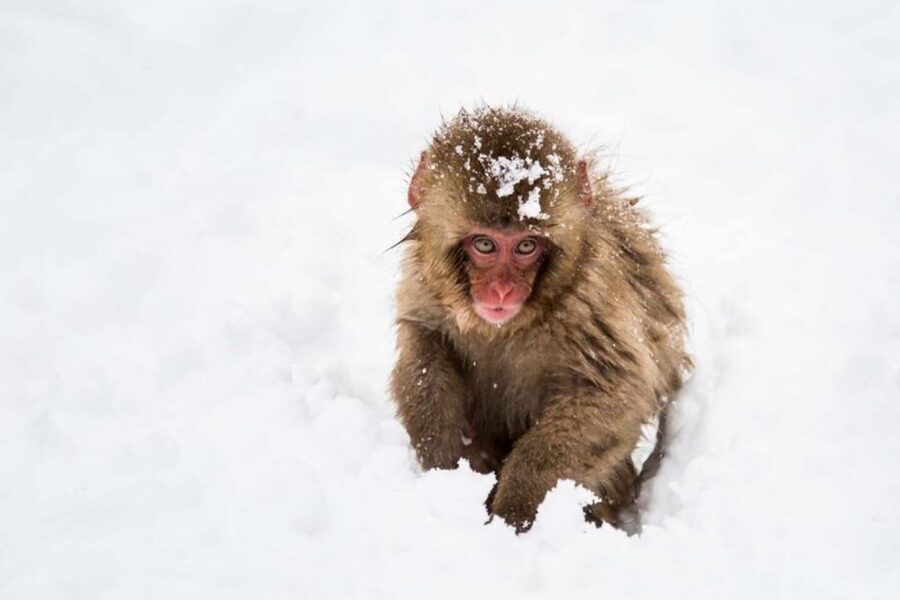
After lunch, the bus takes you toward Jigokudani Monkey Park. The park visit lasts about two and a half hours, but that includes walking time, not just standing beside the hot springs.
The route to and from the park covers about 1.6 kilometers. It is generally flat and manageable, but winter conditions can change the character of the walk. Packed snow, ice, slush, and wet sections have all been noted, and the forest trail may be slippery. Wear proper walking shoes with traction. Sandals and high heels are specifically unsuitable.
Several people found removable crampons useful, particularly after a snowfall or during a freeze. They are not listed as included, so you would need to arrange them yourself. At the least, wear sturdy shoes and keep your hands free with a small, easy-to-carry bag.
This is not a mountain hike, but it is not a polished urban pavement walk either. If you are comfortable walking for a reasonable distance in winter, the trail is part of the charm. The trees, snow, and steam create a calm setting before you reach the viewing area. If you have a mobility impairment or use a wheelchair, this tour is not suitable.
The snow monkeys are wonderfully close, but still unpredictable
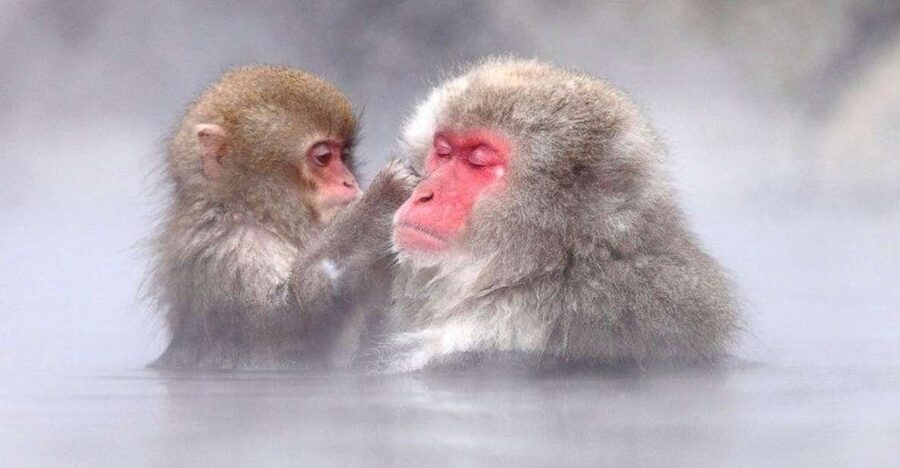
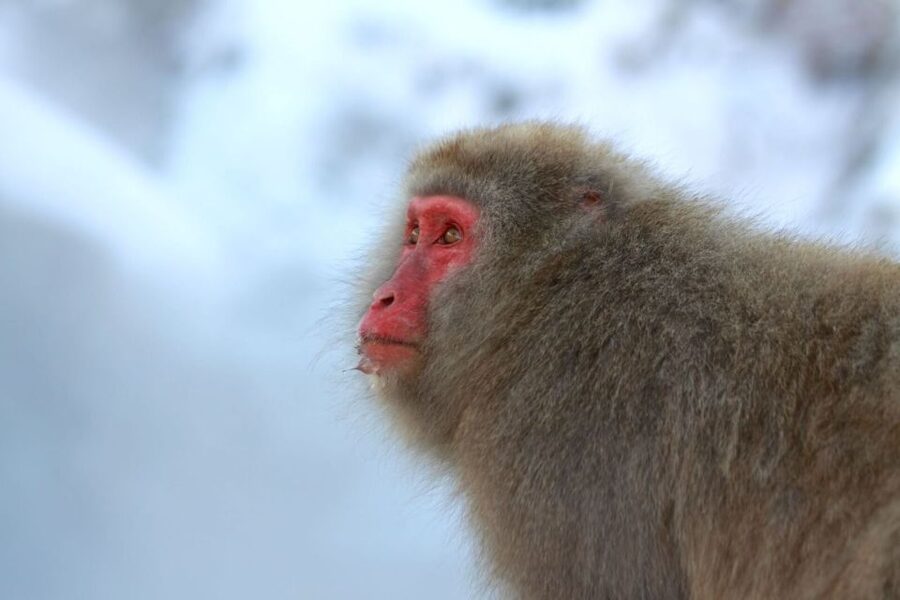
Jigokudani is famous for Japanese macaques that bathe in the hot springs. They may sit quietly, groom one another, wander through the snow, or crowd around the water. The viewing area lets you see them at close range, and the experience can feel almost absurdly peaceful when the monkeys are soaking while steam rises around them.
You should keep your camera ready, but do not expect every visit to look like a calendar photograph. The number of monkeys can vary. One October visit produced only one sighting, while other visits saw dozens or even a couple hundred animals active around the park. There are also a few days each year when the monkeys may not come down at all.
That uncertainty is important. The park is not a zoo performance with a fixed schedule. The animals choose where to go and what to do. On a good day, you may see them eating, playing, grooming, and bathing within a few feet of the path. On a quieter day, you still get the forest setting and a chance to understand why the park is famous, but the photographs may be less dramatic.
The tour gives you about two and a half hours, which is generous. You should have time to watch the monkeys without feeling pushed along, take photographs, and make the walk back at a sensible pace. Follow the guide’s advice about where to stand and how to behave around the animals.
Transport saves time, especially from Hakuba
The biggest practical benefit is the transport between every part of the day. You do not need to work out the connection between Nagano Station, Zenkoji, the tasting stop, the restaurant, and Jigokudani. The tour includes the Snow Monkey Park admission, so you also avoid buying that separately on arrival.
For visitors staying in Hakuba during winter, the shuttle is particularly useful. Pickup is available from selected locations including Hakuba Tokyu Hotel, Hakuba Happo Bus Terminal, Tsugaikekogen Heights, the Happo Information Center, and Hotel La Vigne Hakuba by Onko Chishin. Return is to designated locations only, so this is not a flexible taxi service.
The vehicle is generally described as clean and comfortable, though one tall passenger found the bus a little cramped. If you are very tall, you may want to keep that in mind. Luggage can be carried on the larger bus in some arrangements, but you should confirm any unusual pickup or drop-off plan before booking rather than assuming a private transfer is possible.
The ride from Nagano to the temple is short, around 25 minutes. The journey toward the monkey park takes about an hour, followed by another hour on the return. Those drives make the guide’s commentary useful. You can use the time to rest, ask questions, or look out at Nagano Prefecture rather than spend the day navigating.
Is $135 a fair price?
At $135, this is not the cheapest way to see the snow monkeys. You could arrange public transport and the park independently, especially if you are comfortable reading schedules and changing plans around weather.
The value comes from putting several costs and decisions into one day. The fee includes transportation from Nagano between the stops, an English-speaking guide, the monkey park entry, lunch, sake tasting, and the winter Hakuba shuttle when that option is booked. You are also paying for a day that has been timed around several distant places.
I think the price makes the most sense in three situations. First, you are based in Hakuba and want a cultural break from skiing. Second, you have only one day for Nagano and want more than the monkey park. Third, you prefer a guide who can explain what you are seeing and handle the route.
The value is weaker if you want a private experience, flexible departure times, or a short visit focused only on monkeys. This is a shared tour, and you must use the stated pickup and drop-off points. Still, the combination of food, entry, transport, and local explanation makes the price reasonable for a long day.
Who should book this day trip?
I would recommend it to first-time visitors who want an easy introduction to Nagano beyond the ski resorts. It suits couples, families with older children, and solo visitors who prefer company during a long day of transport and walking.
It is also a strong choice for anyone who wants an English-speaking guide. The guides have been praised for being friendly, funny, and attentive, with several taking time to answer questions and help people on the icy walk. Names vary by departure, but the quality of the guiding appears to be one of the tour’s most consistent strengths.
You should think twice if you have difficulty walking 1.6 kilometers on a forest trail, use a wheelchair, or need a highly controlled dietary menu. You should also avoid assuming that the monkeys will appear in large numbers. The park is a wildlife experience, and nature does not accept reservations.
Cancellation is free up to 24 hours before departure, and the reserve-now-pay-later option can help if your Japan plans are still shifting. The itinerary can change because of weather, local events, restaurant availability, or other conditions. That flexibility is sensible in a snowy region, but you should arrive early because the tour must leave on time.
Should you book it?
Book this tour if you want the snow monkeys but also care about the place around them. Zenkoji Temple, sake, and a generous local lunch turn a single attraction into a fuller Nagano day, and the included transport removes much of the hassle.
My main advice is simple: wear shoes with serious grip, bring a warm layer, tell the operator about allergies, and leave room for the possibility of fewer monkeys than expected. If you can manage the walk and accept a shared schedule, this is a well-organized and good-value way to see Nagano from Hakuba or Tokyo via Nagano Station.
FAQ
Where does the tour begin?
The standard meeting point is Nagano Station at 9:35 AM. Depending on the option booked, pickup may also be available from selected locations in Hakuba, including Hakuba Tokyu Hotel and Hakuba Happo Bus Terminal.
What time does the tour finish?
The tour is scheduled to finish at Nagano Station around 5:30 PM. For guests joining from Hakuba during winter, the return is scheduled around 6:45 PM.
Is transportation included?
Yes. Transportation between Nagano, Zenkoji Temple, the tasting stop, lunch, and Jigokudani Monkey Park is included. A Hakuba shuttle is included for the winter Hakuba pickup option.
Is lunch included?
Yes. Lunch is included, and vegetarian options are available. You should provide details about food allergies in advance so the meal can be arranged.
Is the snow monkey park entrance fee included?
Yes. The Jigokudani Monkey Park entry fee is included in the tour price.
How much walking is involved?
The walk to and from the monkey park covers about 1.6 kilometers. The forest trail can be slippery in winter, so you should wear suitable walking shoes and avoid heels or sandals.
Can children or non-drinkers join the sake tasting?
People under 20 cannot consume alcohol in Japan. Non-alcoholic sake is available for anyone underage or anyone who does not drink.
Is the inner sanctuary at Zenkoji Temple included?
No. Entry to the inner sanctuary is optional and costs extra. The main guided visit to Zenkoji Temple is included.
Can the monkeys be guaranteed?
No. The monkeys are wild animals, and there are a few days each year when they may not come down to the park. The number of monkeys can also vary by season and day.
More Winter Activities in Japan
- Snow Monkeys, Hokusai & Sake: A Perfect Day in Nagano
★ 5.0 · 4 reviews - Nagano: Snow Monkeys, Zenkoji Temple & Sake Day Trip
★ 5.0 · 4 reviews - Queenstown: Ice Bar Entry with Warm Winter Gear and Drink
★ 4.8 · 162 reviews
Just added around Japan
- Tokyo : Asakusa Food Tour – 12 Dishes & 3 Drinks★ 5.0 · 44 reviews
- Private sake pairing@ancient underground★ 5.0 · 27 reviews
- Sake & Seasonal Delights Sake Pairing Lunch at the Brewery★ 5.0 · 8 reviews
- Tokyo: Toshimaya Sake Brewery Tour with Sake Tasting★ 5.0 · 6 reviews
- Tokyo: Sushi Cooking Class with Sake Tasting★ 4.8 · 55 reviews
- Tokyo: The Best Izakaya Tour in Shibuya★ 4.7 · 15 reviews
- Tokyo: Sushi and Ramen Cooking Class with Sake Pairing Set★ 5.0 · 81 reviews
- Tokyo: Shinjuku Izakaya and Golden Gai Bar Hopping Tour (2h)★ 4.9 · 67 reviews
Sake Tasting, compared.
Best of Shinjuku: Izakaya Food Tour (4 Stops, 14+ Tastings)
Read our review →
Shinjuku Local Bar and Izakaya Guided Walking Tour
Read our review →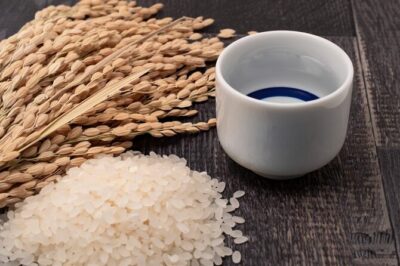
1-Day Snow Monkeys, Zenko-ji Temple & Sake in Nagano
Read our review →
3-Hour Kyoto Insider Sake Brewery Tour with Tastings & Pairings
Read our review →
Insider Sake Brewery Tour with Sake and Food Pairing
Read our review →
Browse the lists this tour appears in