
REVIEW · KOBE BOOZY TOURS
Sake Brewery and Japanese Life Experience Tour in Kobe
Sake tells Kobe’s story one sip at a time. This four-and-a-half-hour private tour links Nada’s famous breweries with everyday food culture, giving you more than a standard tasting room visit. I like the mix of historic brewing and local shopping streets, and I like that guides such as Tomoko and Norio have earned strong praise for making the day personal and easy to follow. The main catch is that this is not a full food tour, and the experience depends heavily on your guide’s interest in sake.
You will visit the Hakutsuru Sake Brewery Museum, sample sake, see the brewery behind Fukuju, and learn about mirin and pickles. At $83.56 per person, the price is reasonable for a private guide, but you should also budget for transportation and the Hakutsuru admission fee.
Key points to know before booking
- Two sake-focused stops: You visit the Hakutsuru Sake Brewery Museum and Kobe Shu-shin-kan, a brewery operating since the Edo period.
- Fukuju connection: Kobe Shu-shin-kan produces Fukuju, the sake served at Nobel Prize dinners.
- A local-life angle: Mirin, pickles, and old shopping arcades make this more cultural than a simple alcohol tasting.
- Private format: Only your group takes part, so you can ask questions and request a different finishing point.
- Four-and-a-half hours on foot and public transport: Wear comfortable shoes and arrive early at Sannomiya Station.
- A useful warning: The tour includes no meal, and visitors under 20 cannot drink alcohol in Japan.
Why Kobe is a good place to learn about sake
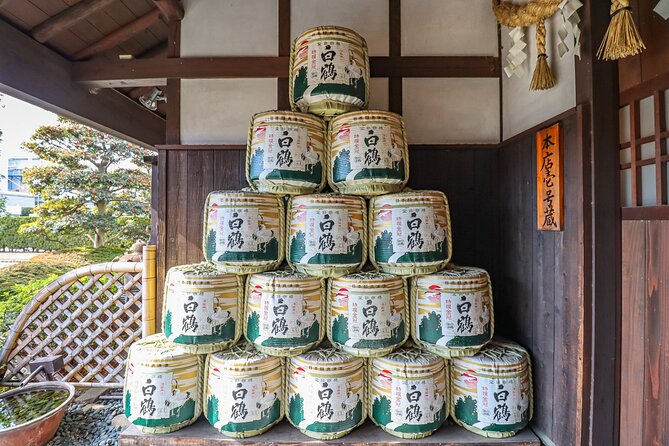
Kobe’s Nada district is one of Japan’s main sake-producing areas. Brewing here dates to the Edo period, and the area accounts for about 30 percent of Japan’s total sake production.
The setting helps explain that success. Nada has suitable water, climate, and rice, all important to sake production. I find this context useful because it keeps the tour from becoming a string of unrelated tastings. You learn why breweries developed here, not just how to hold a tasting cup.
The tour also connects sake with ordinary Japanese cooking. Mirin is made from the same basic raw materials as sake and is used as a sweet cooking rice wine. Pickles offer another link between brewing, preserving, and the food on a Japanese table.
That wider view is one of the best reasons to choose this experience. If you only want a large tasting menu, this may feel too broad. If you want to understand how sake fits into Japanese food and daily life, the combination works well.
More Brewery Tours in Japan
- 3-Hour Kyoto Insider Sake Brewery Tour with Tastings & Pairings
★ 5.0 · 917 reviews - Kyoto: Insider Sake Brewery Tour with Sake and Food Pairing
★ 5.0 · 704 reviews - Kyoto Sake Brewery & Tasting Walking Tour
★ 5.0 · 623 reviews
Starting at Sannomiya Station
The meeting point is Sannomiya Station in central Kobe. You need to arrive on time because the route uses public transportation, and a late start can reduce what you see during the four-and-a-half-hour schedule.
I would give yourself extra time to find the correct station exit and meeting area. Sannomiya is a major transport hub, and the tour finishes at Kobe-Sannomiya Station, not at the starting point. That final location is convenient, but it means you should not leave a bag, reservation, or onward plan tied to the original meeting spot.
Transportation costs are not included. The stated estimate is 530 yen per person, though the admission information also lists a 530-yen fee for the Hakutsuru museum. Because the cost details appear in separate parts of the booking information, I would confirm the exact amount before departure and carry cash.
Hakutsuru Sake Brewery Museum: the clearest introduction
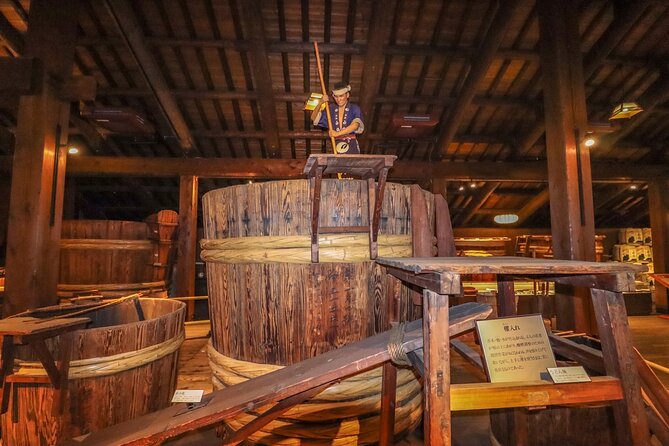
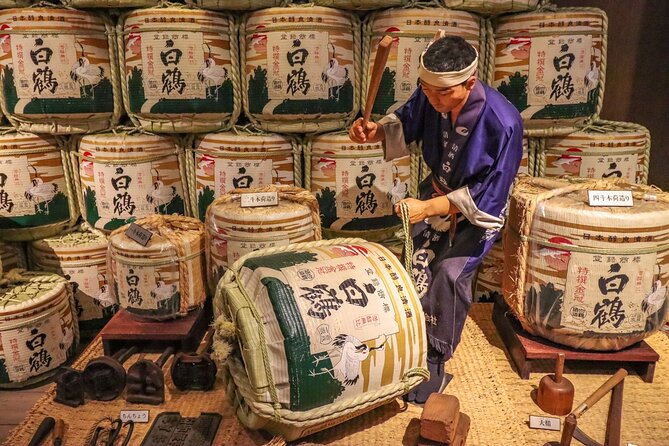
The first major stop is the Hakutsuru Sake Brewery Museum, housed in a building dating to the early Taisho period. You get about 40 minutes here, with time to see the traditional brewing process and the equipment used in earlier operations.
This is likely the most structured part of the tour. The museum gives you a visual explanation of sake production before you taste more of it. That matters because sake can seem mysterious when presented only as a beverage. Seeing the traditional tools and stages gives each later sample a bit more meaning.
The museum also includes sake tasting. The tasting is a strong part of the experience for anyone new to Japanese sake, since you can connect the museum’s production story with the finished drink.
The limitation is time. Forty minutes is enough for an introduction, not a slow museum visit. If you are fascinated by brewing equipment or want to read every display, you may feel rushed. Still, the short stop suits the overall design, which is about seeing several parts of Kobe rather than spending half a day in one building.
The listed admission fee is 530 yen per person. Admission is not included in the headline tour price, so keep that in your budget.
Kobe Shu-shin-kan and the Fukuju name
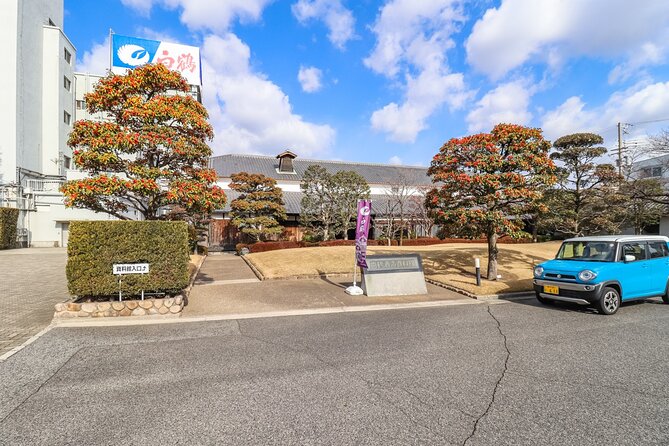
The next brewery visit lasts about 40 minutes. Kobe Shu-shin-kan has operated for 250 years, dating back to the Edo period, and it produces Fukuju.
Fukuju is served at Nobel Prize dinners, an unusual detail that gives this stop an immediate talking point. The name is also highly regarded in Japan, so this is not simply a visit to a small tasting counter with no wider context.
I would expect the guide to explain how the brewery’s long operation fits into Nada’s brewing tradition. Norio received especially strong praise for explaining the different stages of sake making, while Tomoko was praised for combining sake information with broader knowledge of Kobe. If you can request a guide, those names are worth noting, though availability cannot be guaranteed.
This stop can be especially valuable if you enjoy process. You can ask about the relationship between rice, water, fermentation, and the final style of sake. The tour description does not promise a set number of tastings, so you should not book it expecting an elaborate flight or a formal pairing menu.
That is also where expectations matter most. One account of the experience found the guide’s lack of enthusiasm for sake affected the day. A private tour gives you a more personal setting, but it cannot guarantee that your interests and your guide’s interests will match perfectly. If sake is your main reason for booking, tell the operator or guide early that you want detailed brewing and tasting discussion.
More sake tastings around Japan:
- Best of Shinjuku: Izakaya Food Tour (4 Stops, 14+ Tastings)
★ 5.0 · 1,863 reviews - Tokyo: Shinjuku Local Bar and Izakaya Guided Walking Tour
★ 4.9 · 1,794 reviews - 1-Day Snow Monkeys, Zenko-ji Temple & Sake in Nagano
★ 5.0 · 1,020 reviews - Tokyo: Shinjuku Local Bar & Izakaya Crawl Tour
★ 5.0 · 890 reviews
Konan Muko no Sato: mirin, pickles, and the kitchen
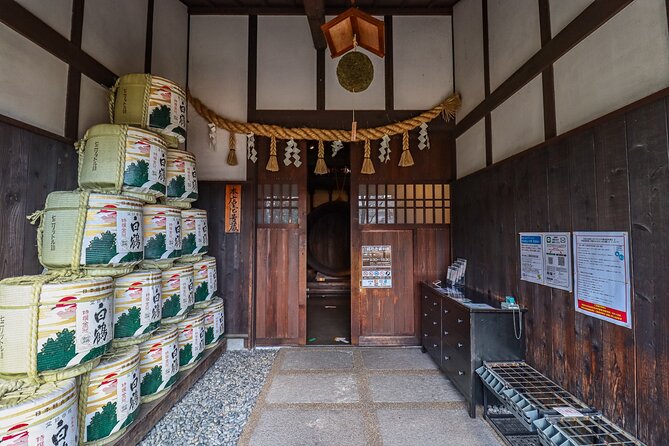
Konan Muko no Sato is a 30-minute stop focused on pickles and mirin. It broadens the tour beyond drinking and shows how sake-related ingredients appear in Japanese cooking.
Mirin is often treated as a minor pantry item, but it plays an important role in Japanese cuisine. Learning that it uses the same raw materials as sake helps you see the connection between brewing and cooking. Pickles add another practical food tradition, one that you can encounter in homes, restaurants, and shops across Japan.
This stop will suit you if you like food culture more than alcohol alone. It also helps balance the two brewery visits. On the other hand, 30 minutes is brief, and the tour does not include a meal. You may be able to buy items at visited locations, but any food or drink purchases are your responsibility.
I would plan to eat before or after the tour rather than expecting snacks to carry you through the afternoon. That small bit of preparation will make the experience more comfortable.
Oyasutei Ichiba Shopping Street and everyday Kobe
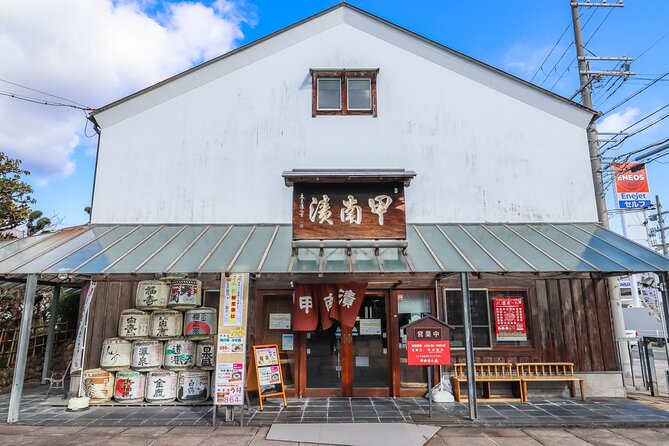
The final listed stop is Oyasutei Ichiba Shopping Street, which has more than 100 years of history and is described as one of Kobe’s oldest shopping streets. About 30 minutes are set aside here.
The value of this stop is its ordinary character. Breweries explain Kobe’s specialist craft, while a shopping street shows how people shop and eat in daily life. Long-established stores dating from the postwar period add another layer to the city’s story.
The wider tour description also refers to Suidosuji Shotengai, a local arcade with more than 500 shops. Since temporary closures, weather, or local conditions can lead to route changes, you should treat the shopping-street portion as a local-market experience rather than a guarantee of one exact arcade.
This is not a guided shopping spree with a long list of purchases. It is a short walk through a working neighborhood. I like that restraint. You get a glimpse of Kobe beyond the usual waterfront and major sightseeing areas, though anyone hoping for extended shopping time may find 30 minutes too short.
How the private format affects the experience
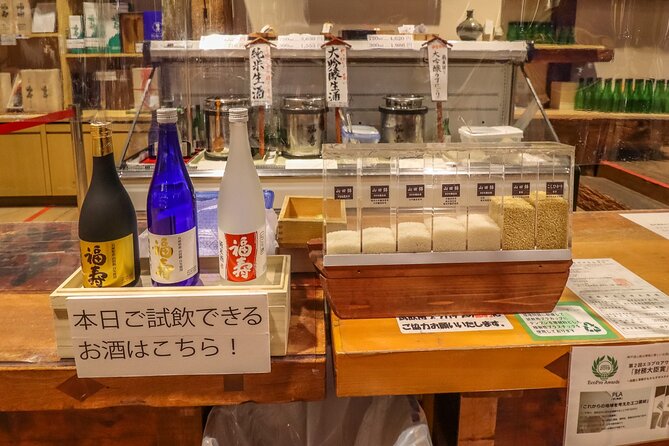
The tour is private, meaning only your group participates. That changes the pace in useful ways. You can ask why a particular sake tastes different, pause for clarification, or discuss mirin and pickles without worrying about a large group.
The guide’s personality matters more in a private format. Tomoko was praised for being fun, attentive, and deeply familiar with Kobe, while Norio was praised for explaining sake production clearly. Those comments suggest that the best version of this tour comes when the guide actively connects each stop to your questions.
The experience includes the guide and the guide’s necessary expenses. It does not include all costs incurred at the stops. Transportation, entrance fees, and any food or drink you buy are paid by you.
Some locations may not accept credit cards, so bring cash. This is especially useful for museum admission and small purchases in the shopping areas.
Walking, timing, and weather
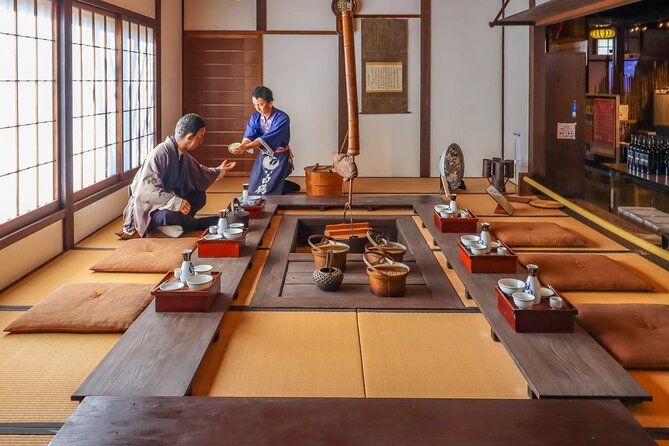
The tour lasts about 4 hours and 30 minutes and involves a fair amount of walking. You will also use public transportation between locations. Comfortable clothing and shoes are important, not as a formality but because the day moves between museums, breweries, shops, and stations.
Bad weather can change the transportation, destinations, or route. Temporary closures can also lead to alternative stops. I would keep your schedule flexible after the tour, especially if you have a train reservation or another timed booking.
The finishing point is Kobe-Sannomiya Station. You can ask the guide about changing the finishing point, but do not assume every request can be accommodated.
Who gets the best value for $83.56
The price makes the most sense for you if you value a private guide and want several connected subjects in one half-day: sake, brewing, Japanese cooking, and local shopping streets.
For a private experience in Kobe, $83.56 per person is fair, especially when the guide helps explain what you are seeing rather than simply leading you from one place to the next. The value is less clear if you mainly want inexpensive sake samples. In that case, the additional 530-yen transportation estimate, museum admission, and personal purchases add to the total.
There is no meal included, so do not compare this with a food tour that provides lunch or a series of tastings. It is better understood as a guided cultural walk with sake at its center.
You should also remember the drinking rule. Anyone under 20 cannot drink alcohol in Japan. The tour may still contain useful museum and food-culture material for younger participants, but the tasting part will not apply.
The main strengths and the honest drawbacks
The strongest feature is the range of the route. You move from traditional brewing equipment to a respected modern brewery, then to mirin, pickles, and a long-running shopping street. That gives the day a clear theme without making every stop feel the same.
The guides are another major strength. Tomoko’s warmth and effort received especially strong praise, and Norio’s sake explanations were singled out. A good guide can turn a museum display into a story about craft, work, and food.
The drawback is unevenness. Because the experience relies on the guide, the day may feel less engaging if your guide is not enthusiastic about sake. The schedule is also fairly tight, and the lack of a meal means you need to plan your own food.
I would also keep expectations realistic about tastings. You will enjoy sake at Hakutsuru, but the supplied details do not promise a large tasting selection, a full lunch, or extended brewery production access.
Should you book this Kobe sake tour?
Book it if you want a private, well-rounded introduction to Kobe’s sake district and Japanese food culture. It is particularly suitable for couples, families with adult children, and small groups who like asking questions and prefer local neighborhoods to a packed sightseeing checklist.
Skip it if your priority is a long sake seminar, a substantial meal, or a nightlife-style tasting crawl. The tour is better for learning how sake connects to Nada, mirin, pickles, and Kobe’s shopping streets.
I would book with three simple preparations: arrive early at Sannomiya Station, carry cash, and eat beforehand. If possible, mention that sake education is important to you and ask whether Tomoko or Norio is available. Those steps give you the best chance of getting the thoughtful, personal experience this private format can provide.
FAQ
How long does the Kobe sake tour last?
The tour lasts approximately 4 hours and 30 minutes.
Where does the tour begin?
It begins at Sannomiya Station in Kobe.
Where does the tour finish?
It finishes at Kobe-Sannomiya Station. You can ask the guide about changing the finishing point.
Is the tour private?
Yes. Only your group participates in the tour.
What is included in the tour price?
The private tour, tour guide, and the guide’s necessary expenses are included.
Are transportation costs included?
No. Transportation costs are paid by you. The estimated transportation cost is 530 yen per person.
Is the Hakutsuru museum admission included?
The listed admission fee for the Hakutsuru Sake Brewery Museum is 530 yen per person. Confirm the final cost when booking because the cost details list transportation and admission separately.
Can people under 20 drink during the tour?
No. People under 20 are not allowed to drink alcohol in Japan.
Can I cancel for a full refund?
Yes. You can cancel at least 24 hours before the experience start time for a full refund. Changes or cancellations made less than 24 hours before the start time are not accepted for a refund.
More Brewery Visits around Japan
- KOBE Sake Tasting Tour at Breweries (tasting fee included)
★ 5.0 · 154 reviews - Hiroshima Saijo Sake Tasting Tour with visit to 7 Breweries
★ 5.0 · 104 reviews - Kobe: Guided Sake Breweries Tour with Tastings
★ 5.0 · 55 reviews - Kyoto: Sake Brewery and Tasting Tour in Fushimi
★ 4.8 · 55 reviews
Just added around Japan
- Tokyo : Asakusa Food Tour – 12 Dishes & 3 Drinks★ 5.0 · 44 reviews
- Private sake pairing@ancient underground★ 5.0 · 27 reviews
- Sake & Seasonal Delights Sake Pairing Lunch at the Brewery★ 5.0 · 8 reviews
- Tokyo: Toshimaya Sake Brewery Tour with Sake Tasting★ 5.0 · 6 reviews
- Tokyo: Sushi Cooking Class with Sake Tasting★ 4.8 · 55 reviews
- Tokyo: The Best Izakaya Tour in Shibuya★ 4.7 · 15 reviews
- Tokyo: Shinjuku Izakaya and Golden Gai Bar Hopping Tour (2h)★ 4.9 · 67 reviews
- Tokyo: Shinjuku Nightlife Tour with Karaoke and Bar Hopping★ 4.1 · 4 reviews
Sake Tasting, compared.
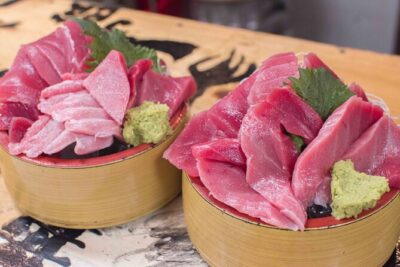
Best of Shinjuku: Izakaya Food Tour (4 Stops, 14+ Tastings)
Read our review →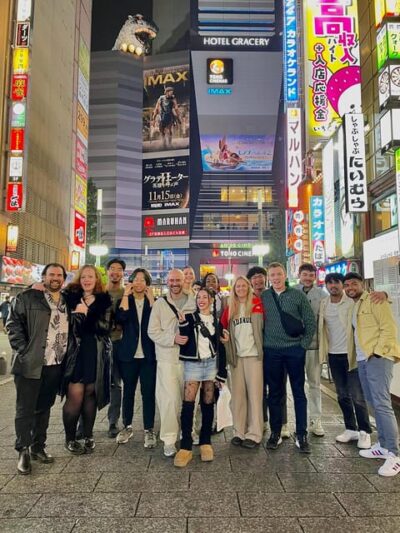
Shinjuku Local Bar and Izakaya Guided Walking Tour
Read our review →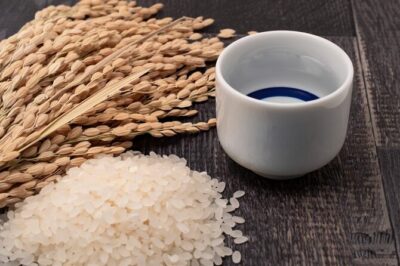
1-Day Snow Monkeys, Zenko-ji Temple & Sake in Nagano
Read our review →
3-Hour Kyoto Insider Sake Brewery Tour with Tastings & Pairings
Read our review →

Nagano: Snow Monkeys, Zenkoji Temple & Sake Day Trip
Read our review →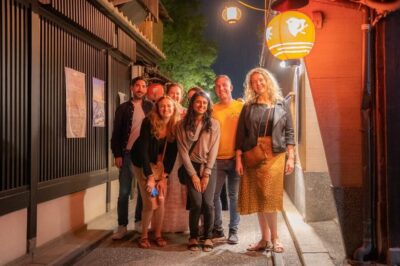
Insider Sake Brewery Tour with Sake and Food Pairing
Read our review →Browse the lists this tour appears in