
REVIEW · JAPAN BOOZY TOURS
In Fukuoka! Guide to an Izakaya only 100% locals know.
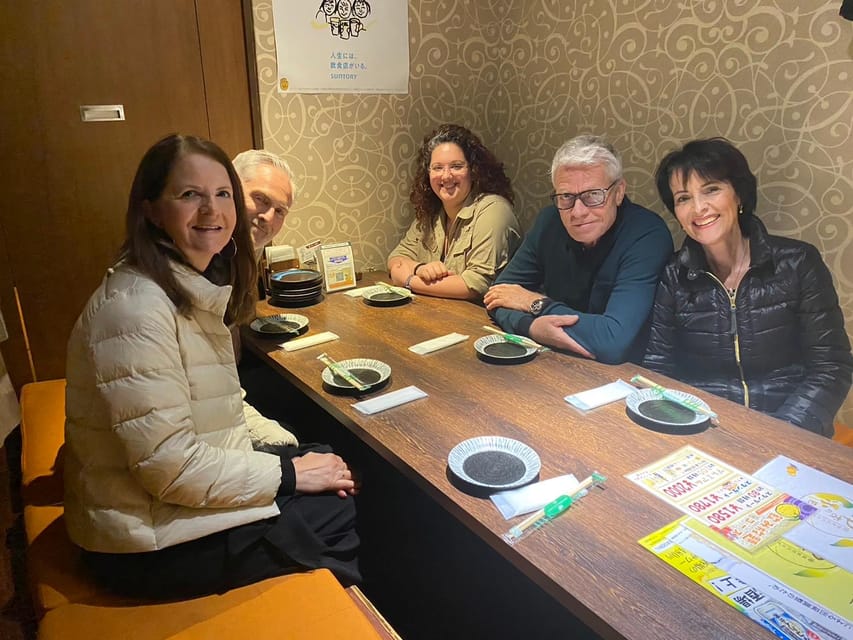
Fukuoka nights are best spent at the counter. This three-hour evening puts you in two local izakayas, where Japanese customers outnumber visitors and the setting feels more like an ordinary night out than a sightseeing stop. A Japanese-born English-speaking guide handles the ordering, explains local customs, and helps you move past the language barrier.
I like the focus on places locals actually use, rather than a polished restaurant built around foreign visitors. I also like the simple walking route, which keeps the night centered on food, conversation, and atmosphere. The main drawback is cost: the tour is $176 per person, and food and drinks are extra, so the final bill can climb quickly.
- Start with a red lantern at Kego Park: The meeting point is easy to identify, in front of the police box.
- Visit two genuine izakayas: The evening is built around the local habit of moving from one small drinking place to another.
- Walk between stops: Each walking section takes about 15 minutes.
- Get English help all evening: A live English-speaking guide explains Japanese culture and manages communication.
- Bring cash: You need it for food and drinks, which are not included.
- Expect meat and fish: This experience does not offer a vegetables-only meal.
Why an Izakaya Night Shows You Another Fukuoka
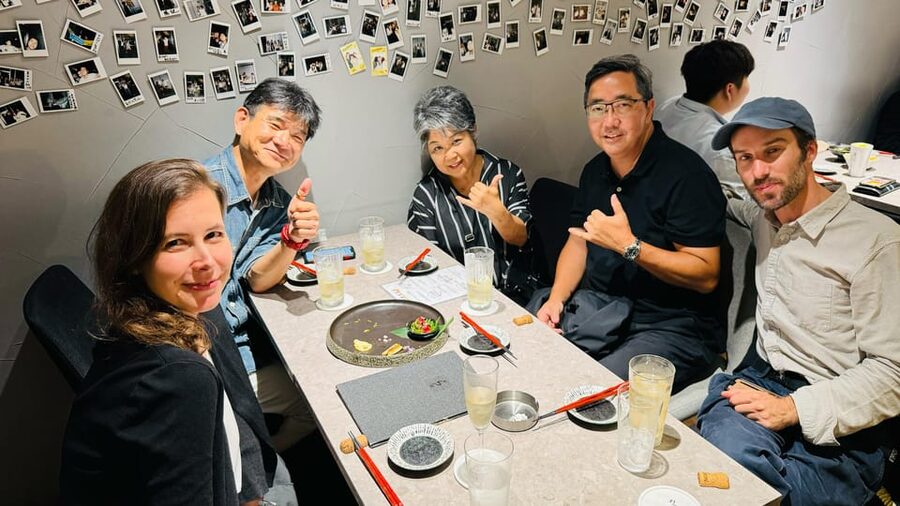
An izakaya is part bar, part small restaurant, and part neighborhood meeting place. You order several dishes for the table, have a drink, and talk for a while. Then you may move on to another place rather than spend the whole evening in one restaurant.
That rhythm matters. A sightseeing route shows you what Fukuoka presents to visitors. An izakaya evening gives you a look at how people spend ordinary time after work or with friends. The experience aims for that second view, taking you to places where the appeal comes from regular customers and a familiar local mood, not from big signs in English.
Fukuoka has a strong food reputation, and this tour uses food as the doorway into the city. You are not only eating. You are learning how to enter a Japanese drinking place, how the evening flows, and how conversation often matters as much as the meal.
The guide is especially important here. Many neighborhood izakayas may have little or no English support. Even a simple order can become awkward when you cannot read the menu or explain what you want. With an English-speaking guide present, you can focus on the food and people rather than worrying about every exchange.
Meeting at Kego Park With a Red Lantern
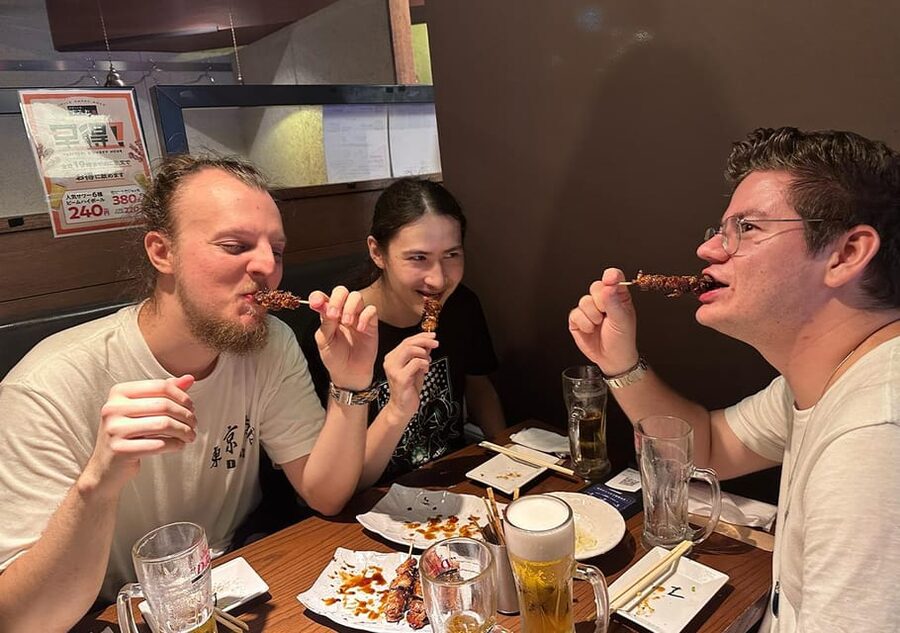
The evening begins at Kego Park, in front of the police box. Your guide will be holding a large red lantern, giving you a clear visual marker in a busy city setting.
That detail is more useful than it sounds. Fukuoka has plenty of streets, corners, and restaurant signs, so a named meeting point alone may not be enough for a first-time visitor. The police box and red lantern give you two things to look for. Arrive with enough time to find the park without rushing.
Kego Park also sets the right tone for the evening. You are not meeting inside a large hotel or at a major tourist attraction. The tour begins in a normal city space, then moves on foot into the surrounding restaurant area.
The exact group size is not provided, so you should not assume this is a private tour or a small gathering. If the size of the group matters to you, check before booking. A larger group can affect how easily everyone fits into a small izakaya, while a smaller group may make conversation easier.
More sake tastings around Japan:
- Best of Shinjuku: Izakaya Food Tour (4 Stops, 14+ Tastings)
★ 5.0 · 1,863 reviews - Tokyo: Shinjuku Local Bar and Izakaya Guided Walking Tour
★ 4.9 · 1,794 reviews - 1-Day Snow Monkeys, Zenko-ji Temple & Sake in Nagano
★ 5.0 · 1,020 reviews
The First Fifteen-Minute Walk
After meeting at Kego Park, you walk for about 15 minutes. This is not a transportation-heavy tour. There are no trains, taxis, or buses listed as part of the route, so comfortable shoes are a sensible choice.
The walk gives the guide time to explain what you are about to do. You can ask about ordering, local drinking customs, and the kind of food you may encounter. Since the guide is there to interpret both language and culture, this short journey is part of the value rather than dead time.
Do not expect a formal sightseeing walk with a long list of landmarks. The purpose is to reach an izakaya where local people go. That makes the route practical and direct.
The exact first restaurant is not named in the available information. This protects the focus on local places, but it also means you cannot check a fixed menu or restaurant style in advance. If you have strong food restrictions, ask before paying.
Inside the First Local Izakaya
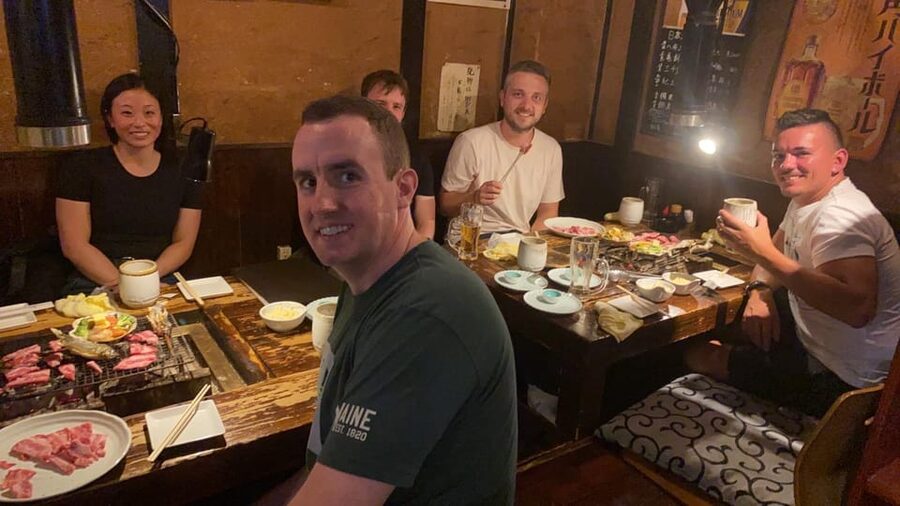
The first stop is where the idea of the tour becomes real. You sit down in an ordinary Japanese drinking place and see the evening from the inside, rather than observing it from the street.
The attraction is not a famous dish or a grand interior. It is the sense that you have entered a place used by local Japanese customers. The experience description makes clear that the aim is to look around and see local people, not a room filled with international tourists.
Your guide helps with the practical parts. That may include explaining how to order, translating questions, and giving context about Japanese manners. The supplied information does not specify the dishes, drinks, seating style, or ordering system, so you should treat the menu as part of the surprise rather than expect a set meal.
Food and drinks cost extra. This is important because the $176 price does not cover your dinner or alcohol. Bring cash and plan for additional spending. The tour is intended for people aged 20 and older, and the meal includes meat and fish. A vegetables-only meal is not available.
The food has been praised along with the guide, which is encouraging. Still, praise for food does not mean the menu suits every diet. If you do not eat meat or fish, this is not the right experience.
Walking Fifteen Minutes to the Second Stop
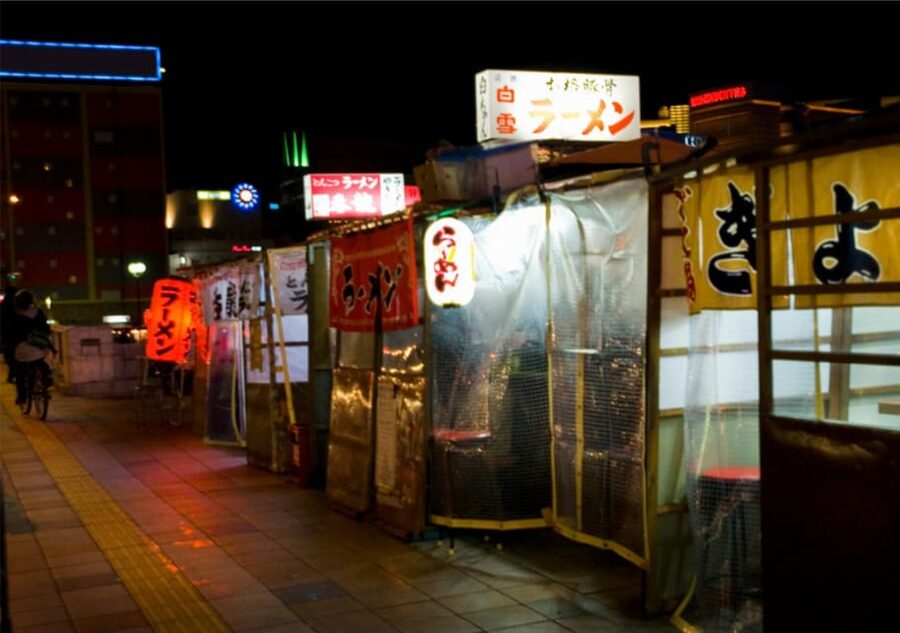
The tour then includes another walk of about 15 minutes. Moving between two places is one of the strongest parts of the evening because it reflects the local habit of izakaya hopping.
The second walk also changes the pace. You have time to talk with the guide, compare the first stop with the next one, and ask questions that come up after your first meal. You are not locked into one restaurant for three hours.
Again, the available details do not identify the exact streets or second venue. That means you should book this for the social and cultural experience, not for a guaranteed view, landmark, or named restaurant.
The walks are short by most city standards, but you will want shoes that feel good. The tour ends back at Kego Park, so you do not need to arrange a return transfer from an unknown final location.
More guided nights out around Japan:
- Kyoto: Izakaya Bars Guided Walking Tour
★ 4.9 · 815 reviews - Osaka: Namba Pub Bar Crawl with a Local Guide
★ 4.9 · 424 reviews - Osaka: Izakaya Bars Guided Walking Tour
★ 4.9 · 385 reviews - Osaka: Guided Pub Crawl
★ 4.4 · 331 reviews
A Second Toast in a Different Local Setting
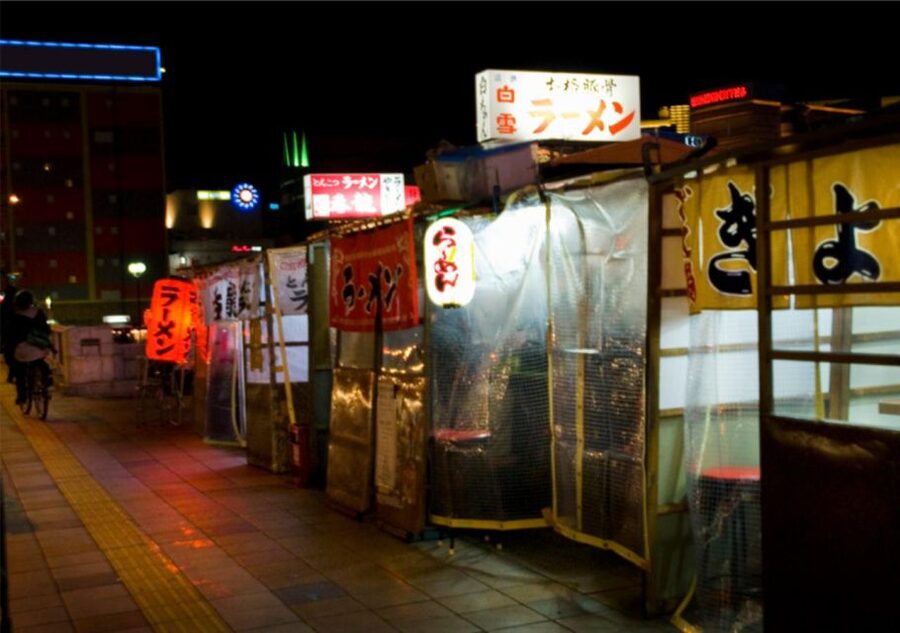
The second izakaya gives you another chance to see how the evening works. Two stops are better than one if your goal is to understand the custom of moving between small restaurants. Each place can offer a different feel, even though no specific details about the interiors or menus are provided.
This is also where a good guide earns the fee. A local-born guide can help explain small differences in food, service, or etiquette that you might otherwise miss. The tour promises cultural explanation as well as interpretation, so you should expect more than simple translation.
The evening is designed around connection. You sit, eat, drink, and talk. The mood may suit you if you want a night that feels social and informal. It may not suit you if you prefer a tightly scheduled food tour with a fixed list of dishes and exact portions.
Do not expect a broad tour of Fukuoka. You are not visiting several districts or checking off major sights. You are spending most of the time in two drinking places, with short walks between them. That narrow focus is a strength for some people and a limitation for others.
Returning to Kego Park After Three Hours
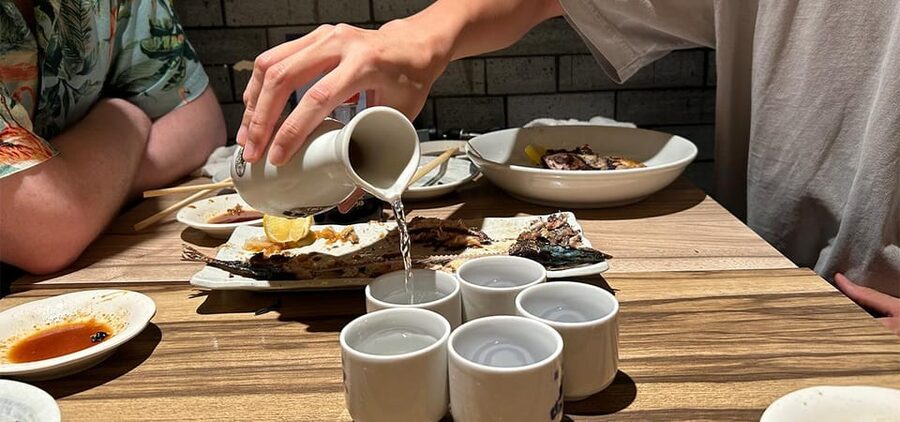
The experience ends where it begins, at Kego Park. This makes the logistics easier than a tour that finishes at a restaurant selected by the guide. You can plan your next move from a known point.
The total duration is three hours, with starting times shown according to availability. The exact departure time matters because an izakaya evening works best when restaurants are open and local customers are out. Check the available time before booking and think about how it fits with dinner plans. This is not an add-on to a full evening meal elsewhere. It is the evening meal and drinking experience itself.
The return to Kego Park also gives you a clear end point if you are staying nearby. The tour does not include transport, and no hotel pickup is described.
What the $176 Price Really Covers
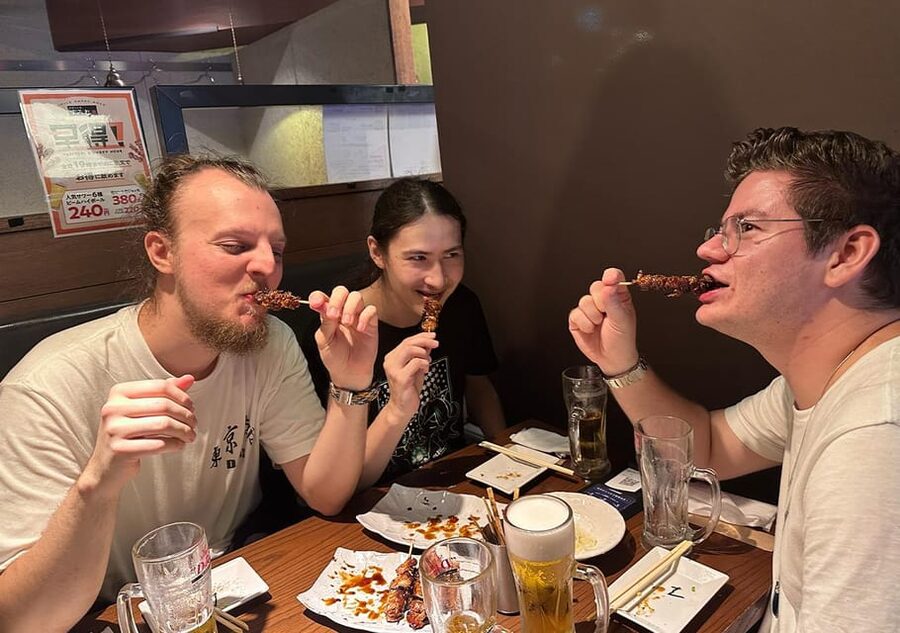
At $176 per person, this is an expensive night if you compare it with the cost of eating at an ordinary izakaya on your own. The price becomes easier to understand if you place value on English interpretation, cultural guidance, and access to places that can be difficult to navigate without Japanese.
Still, food and drinks are not included. You pay the tour price, then pay separately for what you order at both restaurants. That makes the total cost noticeably higher than the advertised figure.
I would see the price as payment for help and access, not payment for a luxury meal. The available information does not promise premium ingredients, a private room, a set number of dishes, or a fixed drink package. You are paying to have someone guide you through a local night that might otherwise be hard to arrange.
For a first visit to Japan, that can be worthwhile. You avoid the stress of choosing a restaurant, handling every order, and wondering if you are following local customs correctly. For an experienced Japan visitor who speaks Japanese, the value is less obvious. You may be able to create a similar night independently for far less.
One reported problem involved poor communication between the organizing company and the guide, with the route apparently unclear. That is a real warning, even though another account praised the friendly guide and good food. Confirm the meeting details before the evening, and make sure you know exactly where to find the red lantern at Kego Park.
Who Will Enjoy This Fukuoka Evening
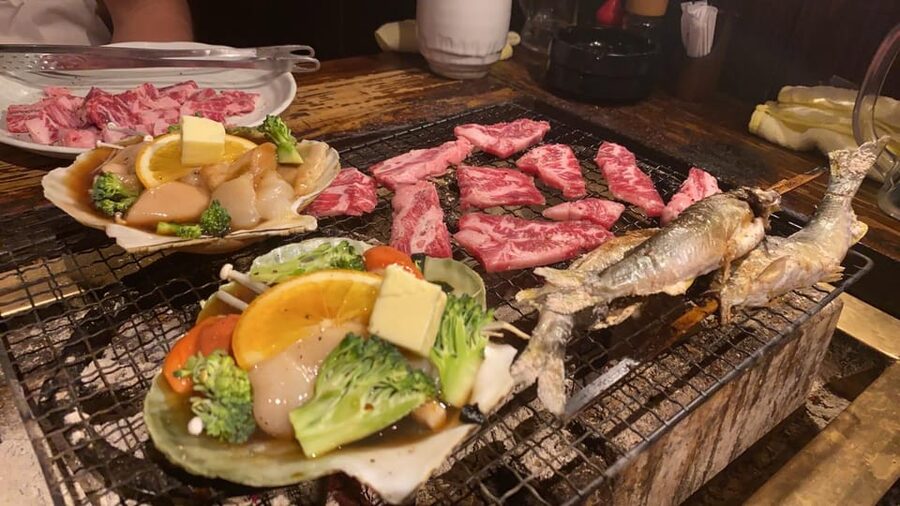
I would recommend this experience most strongly to:
- First-time visitors who want a normal local night, not only famous sights
- People who want English help in restaurants
- Solo visitors who would rather share a meal than eat alone
- Couples or friends who enjoy trying several small places
- Adults interested in Japanese drinking customs and food culture
It is less suitable for anyone under 20, since the activity is not designed for people below that age. It is also a poor match for a vegetables-only diet because meat and fish are included and a vegetable-only meal is not offered.
You should also think about your drinking preferences. The experience is built around izakayas and toasting, but the available information does not say how many drinks are included, because drinks are not included in the price. If you do not drink alcohol, ask the provider whether nonalcoholic choices are available before booking. That option is not confirmed in the supplied details.
Practical Advice Before You Book
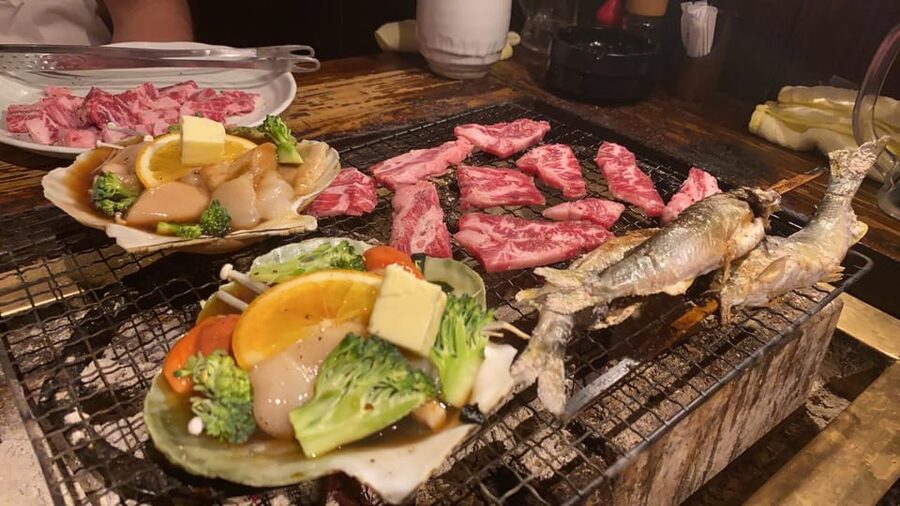
Bring cash. This is the clearest preparation tip, since meals and drinks are paid separately.
Wear comfortable shoes for the two 15-minute walks. You do not need to prepare for a long hike, but this is a walking evening rather than a seated restaurant transfer.
Keep your schedule flexible around the three-hour duration. Do not book a tight dinner reservation immediately afterward. The experience starts and ends at Kego Park, but the exact starting time depends on availability.
Ask about food before booking if you have allergies, avoid meat or fish, or need a special diet. The only dietary information provided is that meals include meat and fish and are not vegetables-only.
Finally, confirm the meeting arrangement. Look for the police box in Kego Park and the guide holding a large red lantern. Because a communication problem has been reported, that simple check can prevent a frustrating start.
Should You Book This Izakaya Tour?
Book it if your idea of a good Fukuoka night is two ordinary local izakayas, friendly guidance, and cultural explanation. The best part is the chance to step away from sightseeing routes and enjoy the kind of evening that is difficult to arrange when you do not speak Japanese.
Think twice if $176 already feels high, since you still pay for food and drinks. You should also skip it if you need a vegetables-only meal, want a named restaurant and fixed menu, or prefer to explore independently.
For a first or second visit to Japan, I can see the appeal. The guide removes much of the uncertainty, the route stays simple, and the return to Kego Park makes the night manageable. Just confirm the meeting details, bring cash, and budget beyond the advertised price.
FAQ
Where does the Fukuoka izakaya tour begin?
It begins at Kego Park, in front of the police box. The guide will be holding a large red lantern.
Where does the activity end?
The tour ends back at Kego Park, the same place where it starts.
How long does the experience last?
The activity lasts three hours. Starting times depend on availability.
How many izakayas will I visit?
The experience includes visits to two local izakayas.
How much walking is involved?
The route includes two walking sections of about 15 minutes each.
Is an English-speaking guide included?
Yes. A live English-speaking guide provides local interpretation and explanations of Japanese culture.
Are food and drinks included in the price?
No. Food and drinks are not included, so you need to pay those costs separately.
Should I bring cash?
Yes. Cash is listed as something to bring, particularly because food and drinks are paid separately.
Is the experience suitable for people under 20?
No. The activity is not suitable for people under 20 years old.
Just added around Japan
- Tokyo : Asakusa Food Tour – 12 Dishes & 3 Drinks★ 5.0 · 44 reviews
- Private sake pairing@ancient underground★ 5.0 · 27 reviews
- Sake & Seasonal Delights Sake Pairing Lunch at the Brewery★ 5.0 · 8 reviews
- Tokyo: Toshimaya Sake Brewery Tour with Sake Tasting★ 5.0 · 6 reviews
- Tokyo: Sushi Cooking Class with Sake Tasting★ 4.8 · 55 reviews
- Tokyo: The Best Izakaya Tour in Shibuya★ 4.7 · 15 reviews
- Tokyo: Shinjuku Izakaya and Golden Gai Bar Hopping Tour (2h)★ 4.9 · 67 reviews
- Tokyo: Shinjuku Nightlife Tour with Karaoke and Bar Hopping★ 4.1 · 4 reviews
Sake Tasting, compared.
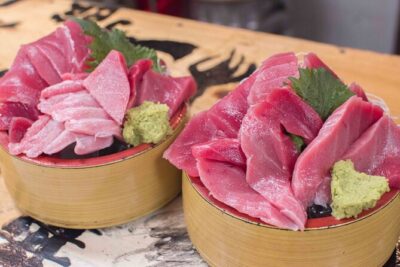
Best of Shinjuku: Izakaya Food Tour (4 Stops, 14+ Tastings)
Read our review →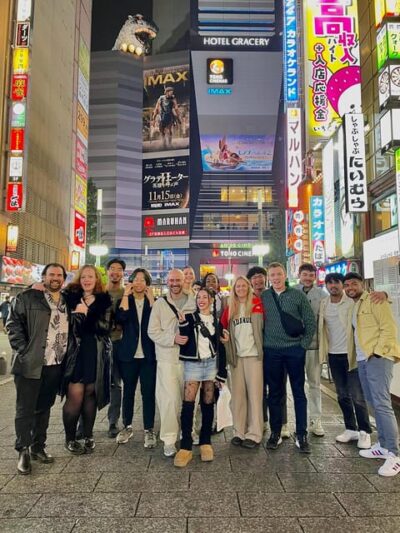
Shinjuku Local Bar and Izakaya Guided Walking Tour
Read our review →
1-Day Snow Monkeys, Zenko-ji Temple & Sake in Nagano
Read our review →
3-Hour Kyoto Insider Sake Brewery Tour with Tastings & Pairings
Read our review →

Nagano: Snow Monkeys, Zenkoji Temple & Sake Day Trip
Read our review →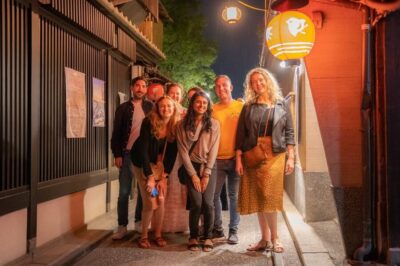
Insider Sake Brewery Tour with Sake and Food Pairing
Read our review →Browse the lists this tour appears in