
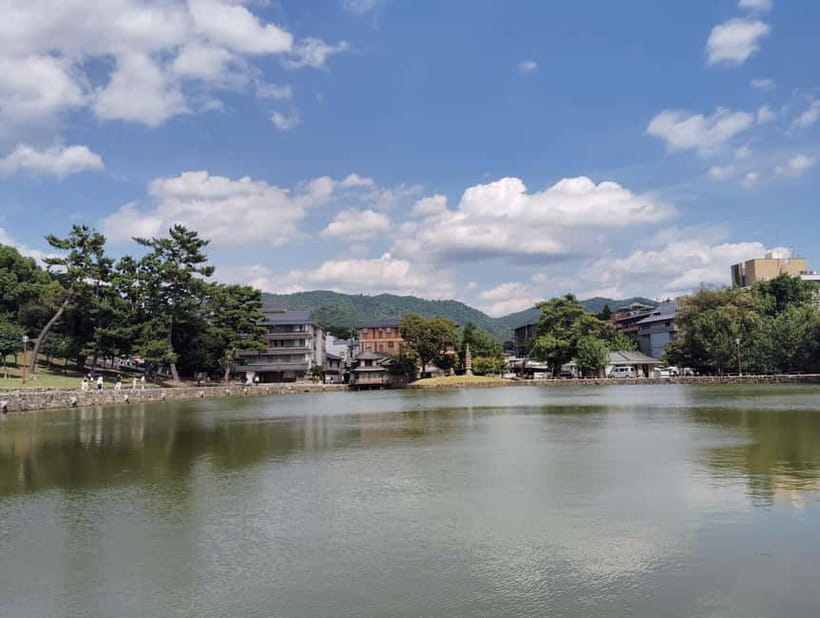
REVIEW · JAPAN BOOZY TOURS
Nara: Sake Tasting Tour at the Birthplace of Japanese Sake
Sake tastes better with a story. This three-hour private walk through Nara pairs tastings at three working breweries with a look at the quiet streets where sake has been made and enjoyed for generations. You also visit a fourth sake tasting spot, giving you a useful range of styles, from crisp and dry to soft, mellow, and full-bodied.
I like the personal guide service, especially after hearing how Takashi, Hiro Takeuchi, and Yayoi helped visitors get more from the afternoon. I also like the tour’s sense of place: this is not only a drinking session, but a lesson in Nara’s connection to Japanese food, climate, spirituality, and brewing.
The main consideration is the three-hour walk. You move between four locations, and the tastings can leave you a little giddy. One guest also felt the newer tour could use tighter organization, especially with a very small group, so expect a personal experience rather than a polished factory production.
Key points at a glance
- Three working breweries: Taste sake directly at breweries in Nara, with each tōji’s brewing ideas and preferred ingredients explained.
- A fourth tasting stop: Add a sake shop to the brewery visits for a broader look at local bottles and styles.
- Temple-born sake story: Learn how sake developed in Buddhist temple settings more than a thousand years ago.
- Quiet Nara neighborhoods: Walk beyond the main sights and see the local districts tied to sake production.
- Private English or Japanese guide: The small-group format allows room for questions, conversation, and individual attention.
- Ukimi-do to Kintetsu Nara Station: Begin at Ukimi-do Pavilion and finish near a useful transport point after about three hours.
Why Nara is a fitting place for a sake tour
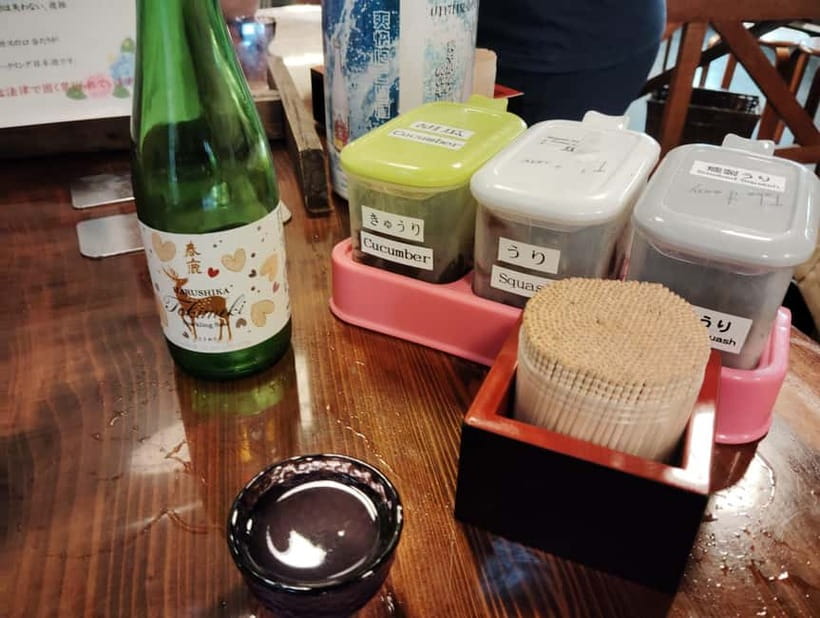
Nara is often sold through its deer, temples, and ancient capital status. Those are good reasons to visit, but sake adds another layer. The drink’s early development is tied to Buddhist temples, where brewing methods took shape more than a thousand years ago. That gives the tasting a spiritual and cultural setting rather than a purely commercial one.
You hear about how Japanese climate, cuisine, and religious life affect sake. That matters because sake is not one single flavor. Rice, water, brewing choices, serving style, and local habits all shape what ends up in your cup.
The tour also helps you connect Nara’s past with its present. You are not simply shown an old story in a museum. You walk through sake districts and visit working producers, where the drink is still made and sold. I find that kind of contact more useful than a long historical lecture without a real taste to match it.
More sake tastings around Japan:
- Best of Shinjuku: Izakaya Food Tour (4 Stops, 14+ Tastings)
★ 5.0 · 1,863 reviews - Tokyo: Shinjuku Local Bar and Izakaya Guided Walking Tour
★ 4.9 · 1,794 reviews - 1-Day Snow Monkeys, Zenko-ji Temple & Sake in Nagano
★ 5.0 · 1,020 reviews
Starting at Ukimi-do Pavilion
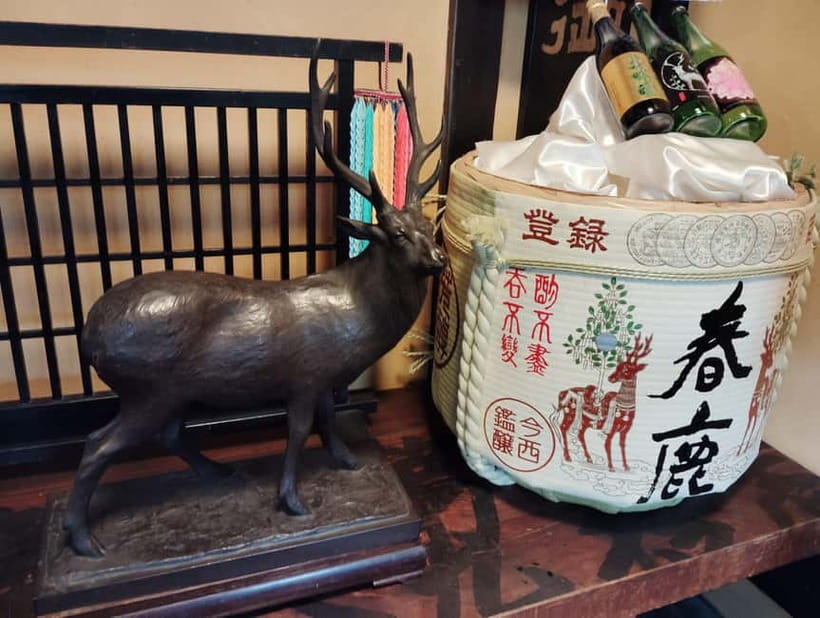
The meeting point is Ukimi-do Pavilion, written as 浮見堂. Your guide waits with a yellow sign panel, which should make the first meeting easier in a city where several scenic and temple areas can look similar.
The pavilion is a sensible starting point for a walking tour. You begin in a recognizable Nara setting, then move into quieter streets linked to sake. The route is not described as a museum-style tour with one large attraction at every stop. Its appeal comes from the change of pace and the chance to notice local shops, brewery fronts, and neighborhood details.
Your guide sets the tone early. The strongest part of this experience is likely to be the human connection. Takashi was praised for humor, kindness, and a willingness to add extra help along the way. Yayoi assisted with train information and meeting plans, while Hiro Takeuchi was particularly accommodating to a father using a wheelchair.
That does not mean the entire route is guaranteed to be fully step-free. Since the activity involves walking through sake districts, I would explain your mobility needs before booking. Still, the personal attention is a welcome sign for anyone who needs a slower pace or extra assistance.
Stop one: the story of sake in Nara
The first part of the tour introduces sake’s link to Nara and Buddhist temples. This gives you a reason to care about the tastings ahead. Instead of sampling several cups with no context, you learn why sake carries such weight in Japanese culture.
A good guide can make this section useful for beginners. You may hear about the role of rice, local climate, and brewing traditions, then start to notice how those ideas appear in the glass. If you already know sake, this is where questions about technique and regional character can make the experience more rewarding.
The tour is conducted in English or Japanese. English-speaking guides named in the feedback include Takashi, Hiro Takeuchi, and Yayoi. Their different personalities may shape the afternoon, but the repeated praise points to friendly, attentive guiding as a central strength.
One practical point: the schedule gives roughly 40 minutes to each location. That is enough time for a focused visit, a guided explanation, and tasting, but not enough for a long brewery seminar at every stop. If you want detailed technical discussion, ask questions as you go.
Stops two and three: working breweries and the tōji’s point of view
The heart of the tour is the visit to three working breweries. You taste sake at the source, rather than only ordering a bottle in a restaurant or buying one from a department store.
Each brewery is presented through the philosophy of its tōji, or master brewer. That is one of the more valuable details in the tour. You learn what each brewer cares about, which ingredients matter, and how techniques have been passed down across generations.
This helps explain why two sakes can taste very different even when both are made from rice. One may be crisp and dry. Another may feel mellow and rounded. The point is not to decide that one style is best, but to work out what you like.
I would pay attention to the order of the tasting. Start by noticing the basic impression: dry, soft, light, rich, or mellow. Then ask what brewing choice creates that feeling. The guide can help turn a vague reaction into a useful preference you can remember when shopping later.
The brewery visits also offer a more grounded view of sake production. You may not see every stage of brewing, and the supplied details do not promise a full production-floor tour. What you can expect is access to working producers, a guided explanation, and samples connected to the places where they are made.
The 40-minute timing at each stop keeps the afternoon moving. It also prevents one visit from taking over the whole experience. The tradeoff is that serious sake fans may want longer with each tōji or more technical detail than the schedule allows.
A few more boozy trips around Japan worth a look
- Tokyo Bar Hopping Tour in Shinjuku (All-You-Can-Drink + Dinner)
★ 5.0 · 3,587 reviews - Shibuya Meltdown Nightlife Tour: All-You-Can-Drink Bar Hopping
★ 5.0 · 1,058 reviews - Osaka Bar Hopping Night Walking Tour in Namba (3 bars, 6 tastes)
★ 5.0 · 958 reviews - Tokyo: Pub Crawl and Bar Tour
★ 4.5 · 951 reviews
The fourth stop: a sake shop with buying advice
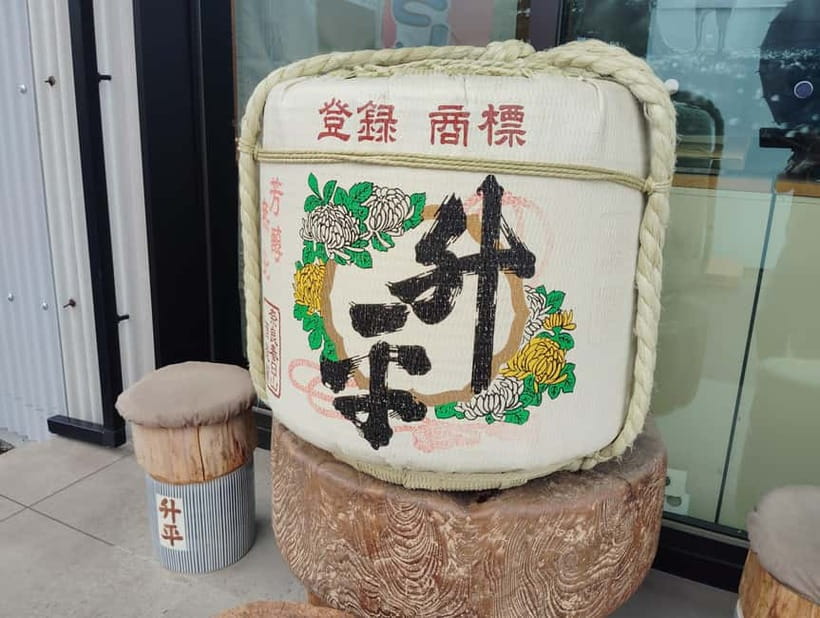
The fourth tasting location is a sake shop. This broadens the experience beyond the three producers and gives you a chance to see how local sake reaches customers.
A shop visit is useful if you want to take a bottle home, but the practical value depends on what you ask. Tell the guide which samples you preferred. If you liked crisp and dry sake, say so. If you preferred rich and mellow styles, that matters too. Your tasting notes can help you make a smarter purchase than simply choosing a bottle because of its label.
The shop also gives you a chance to compare local choices in one place. You are not limited to the particular breweries visited earlier. The tour information does not specify a fixed bottle selection or shopping allowance, so treat this as a guided tasting and orientation rather than a guaranteed shopping session.
One nice feature of the private format is that the shop stop can match your interests. You might spend more time discussing bottles, gifts, or sake styles, while another group might focus on history or food pairing. The guide’s ability to adjust the conversation is part of what makes the private setup worthwhile.
Walking Nara’s sake districts
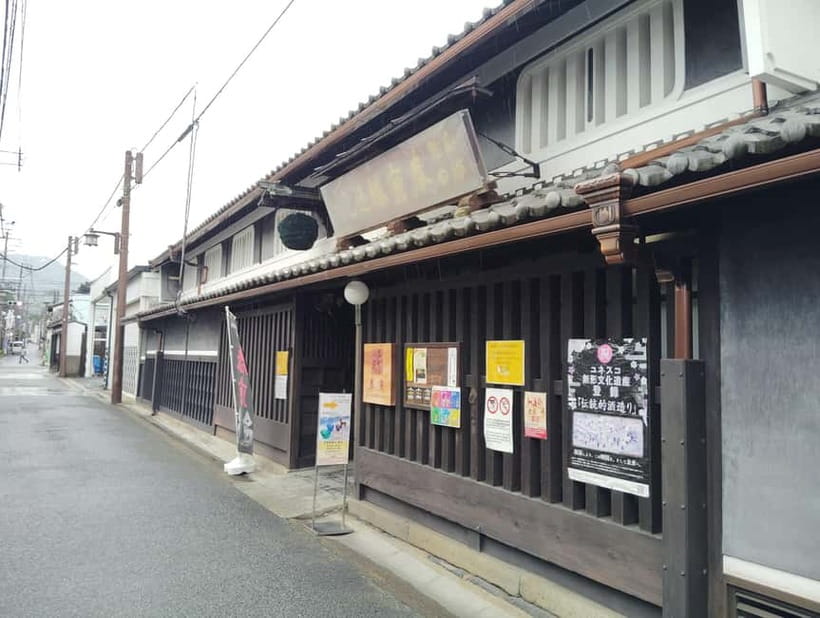
Between tastings, you explore quiet streets in Nara’s sake districts. This is a modest but important part of the tour. The neighborhoods give you a sense of how sake fits into daily life, rather than treating it as a product sealed off from the city.
I like this format because it lets you see Nara away from the busiest temple paths. You have time to notice local shopkeepers and the relationship between small producers and the surrounding community. One visitor especially valued the chance to get a feel for the neighborhoods and meet local shopkeepers.
The walking also breaks up the tasting. Three hours of sitting and drinking would feel heavy. Moving from one location to the next gives your palate and your attention a reset.
Still, wear comfortable shoes and plan for ordinary city walking. The tour description does not give a distance or promise frequent sitting. If walking for several hours is difficult, discuss that before booking. The guide may be able to help, as Hiro did for one participant using a wheelchair, but the route itself remains a walking experience.
What the tasting range is like
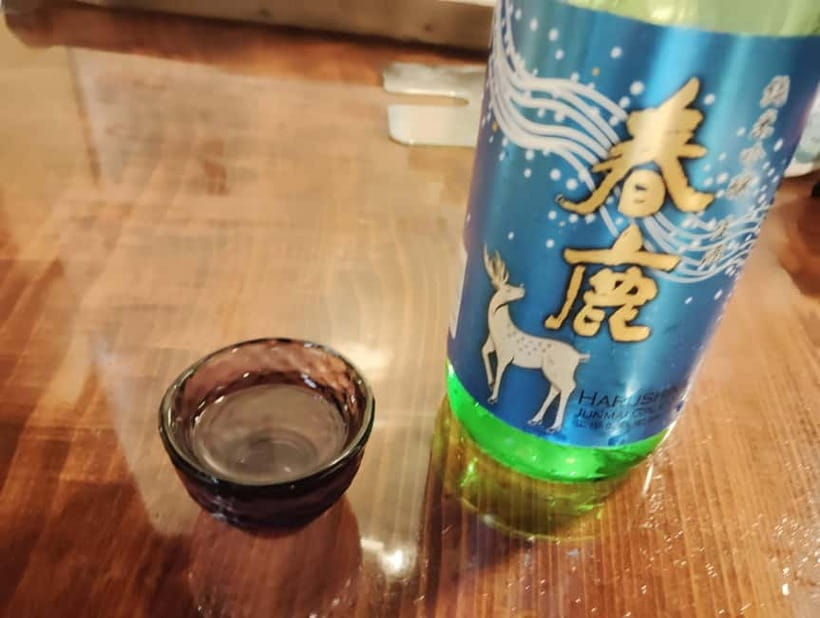
The sake selection ranges from crisp and dry to rich and mellow. That spread is ideal for beginners because you can compare styles instead of trying one sample and deciding that sake is not for you.
Some people expect all sake to taste similar, especially if their only experience has been a warm cup at a Japanese restaurant. This tour should correct that narrow view. The range lets you notice differences in texture, sweetness, weight, and finish.
For experienced sake drinkers, the interest is less about novelty and more about local character. You can ask how Nara’s climate affects brewing, which ingredients each producer values, and how the tōji’s methods change the final drink.
The tastings are also tied to food culture. The tour teaches how sake connects with Japanese cuisine, though specific food pairings are not listed. You should not expect a meal unless that is separately confirmed. The focus is tasting, history, and conversation.
Take the pace seriously. One participant described the experience as capable of making you a bit giddy, while also noting that the guide looked after the group well. Eat before you arrive, drink water when possible, and avoid scheduling a demanding activity immediately afterward.
The private format and guide quality
The tour is for a private group, with live guiding in English or Japanese. That is a meaningful advantage here. Sake questions can be personal and specific, and you may not want to ask them in front of a large crowd.
A private guide can also adapt the level of detail. Beginners can ask basic questions without embarrassment. Experienced drinkers can spend more time on technique, ingredients, and the tōji’s approach.
The strongest praise focuses on the guides’ warmth and care. Takashi was described as funny, kind, and very good at creating a personal afternoon. Yayoi helped with train information and made sure the time was used well. Hiro Takeuchi was praised for courtesy and for accommodating a parent in a wheelchair.
There is one fair caution. A newer private tour may feel less fixed than a large, established group excursion. One participant noticed some organization issues, especially with only two people taking part, and suggested adding more historical explanation. I would see this as a small risk rather than a major flaw: you get flexibility and personal attention, but possibly less polished timing.
Is $119 a fair price?
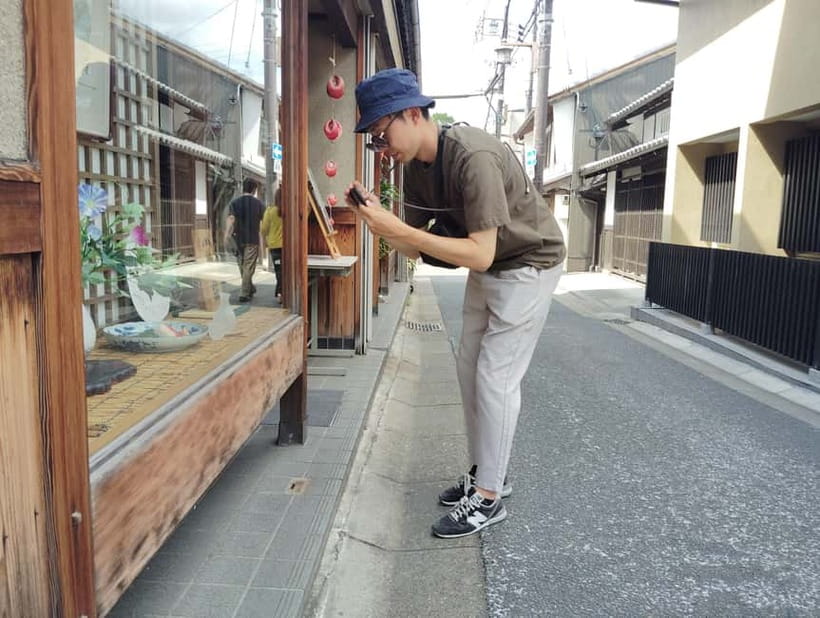
The cost is $119 per person for three hours. That is not a cheap tasting, but the price includes a private guided walk, four tasting locations, and sake samples at three working breweries plus one sake shop.
The value depends on what you want. If your goal is simply to drink a few small samples, you can spend less at a bar or shop. If you want access to several producers, a guide who explains the cultural background, and help comparing what you taste, the price is easier to justify.
The private format is the key value point. With several people in your own group, the cost buys personal attention rather than a large-room presentation. The value rises if your guide helps with local orientation, shopping questions, or train information, as Yayoi did for one participant.
It is less compelling for someone who dislikes walking, wants a full brewery production tour, or prefers to explore independently. The tour does not list a meal, transportation between stops, or a guaranteed production demonstration. You are paying mainly for access, tastings, interpretation, and a personal route through Nara’s sake districts.
Free cancellation is available up to 24 hours before the activity, and you can reserve now and pay later. Those policies make it easier to fit into a changing Japan itinerary, though the main decision should still be whether the format suits your interests.
Who should book this Nara sake experience?
I would recommend it to a first-time sake drinker who wants help making sense of the category. The range of flavors and the guide’s explanations give you a friendly starting point without requiring prior knowledge.
It also suits a sake fan who wants local context. You will not only taste bottles. You will hear about the tōji, ingredients, brewing methods, temple connections, and the role of climate and cuisine.
Couples, families with adult children, and small private groups should appreciate the pace and personal service. The tour can be especially useful early in a Nara visit, since it helps you understand neighborhoods and provides a local point of contact.
I would be more cautious if you have limited walking ability, although the experience with a wheelchair user is encouraging. Ask about the route before booking rather than assuming every street and entrance will be easy.
You should also skip it if you want a full meal, a long technical brewing class, or a large number of tastings. This is a compact cultural walk with several stops, not an all-day sake school.
Should you book the Nara sake tour?
Book it if you want to understand why Nara matters to sake, taste across several styles, and spend an afternoon with a guide rather than a script. The best parts are the three working breweries, the tōji-focused explanations, and the quiet neighborhood walking between stops.
The experience is strongest when you ask questions and pay attention to your own preferences. Note which sake is crisp, which is mellow, and which one you would actually order again. At $119, the tour is worth it for that combination of access, context, and personal care.
If you prefer independent tasting or need a fully accessible route, confirm the practical details first. For most curious drinkers, though, this is a thoughtful way to see a less obvious side of Nara, and a good reminder that the city’s story is not limited to temples and deer.
FAQ
Where does the Nara sake tasting tour begin?
The tour begins at Ukimi-do Pavilion, written as 浮見堂. The guide waits with a yellow sign panel.
Where does the tour finish?
The tour finishes at Kintetsu Nara Station, written as 近鉄奈良駅.
How long does the experience last?
The tour lasts three hours. Availability should be checked for the starting time.
How many tasting locations are included?
You visit four tasting locations in total: three working breweries and one sake shop.
Are sake tastings included?
Yes. Sake tastings at the three working breweries and the sake shop are included.
What languages are available?
The live tour guide is available in English or Japanese.
Is this a private tour?
Yes. The activity is offered for a private group.
Can I cancel the booking?
You can cancel up to 24 hours in advance for a full refund. Reserve now and pay later is also available.
Just added around Japan
- Tokyo : Asakusa Food Tour – 12 Dishes & 3 Drinks★ 5.0 · 44 reviews
- Private sake pairing@ancient underground★ 5.0 · 27 reviews
- Sake & Seasonal Delights Sake Pairing Lunch at the Brewery★ 5.0 · 8 reviews
- Tokyo: Toshimaya Sake Brewery Tour with Sake Tasting★ 5.0 · 6 reviews
- Tokyo: Sushi Cooking Class with Sake Tasting★ 4.8 · 55 reviews
- Tokyo: The Best Izakaya Tour in Shibuya★ 4.7 · 15 reviews
- Tokyo: Shinjuku Izakaya and Golden Gai Bar Hopping Tour (2h)★ 4.9 · 67 reviews
- Tokyo: Shinjuku Nightlife Tour with Karaoke and Bar Hopping★ 4.1 · 4 reviews
Sake Tasting, compared.
Best of Shinjuku: Izakaya Food Tour (4 Stops, 14+ Tastings)
Read our review →
Shinjuku Local Bar and Izakaya Guided Walking Tour
Read our review →
1-Day Snow Monkeys, Zenko-ji Temple & Sake in Nagano
Read our review →
3-Hour Kyoto Insider Sake Brewery Tour with Tastings & Pairings
Read our review →

Nagano: Snow Monkeys, Zenkoji Temple & Sake Day Trip
Read our review →
Insider Sake Brewery Tour with Sake and Food Pairing
Read our review →Browse the lists this tour appears in