
REVIEW · HIROSHIMA BOOZY TOURS
Hiroshima Saijo Sake Tasting Tour with visit to 7 Breweries
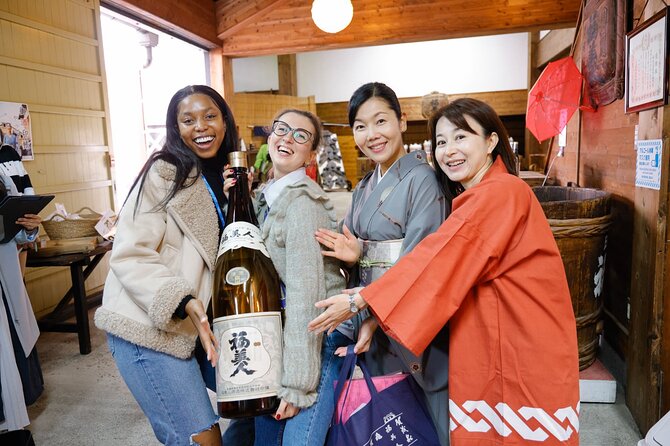
Saijo pours its story one cup at a time. This small-group walk through Hiroshima’s famous sake district combines eight tastings at seven breweries with clear explanations of sake styles, brewing traditions, and proper serving methods. I like the relaxed pace, the compact 1.5-kilometer route, and the chance to compare Daiginjo, Junmai, cloudy Nigori, and other styles side by side. The main drawback is that you will taste sake rather than watch it being brewed.
I also like the practical setup: the tour begins at Saijo Station, limits the group to 10 people, and returns to the same meeting point. Guides such as Ione have earned especially warm praise for their friendly explanations. Still, arriving more than 15 minutes late counts as a cancellation, and the tour may feel too alcohol-focused if you do not drink.
Key points to know before you book
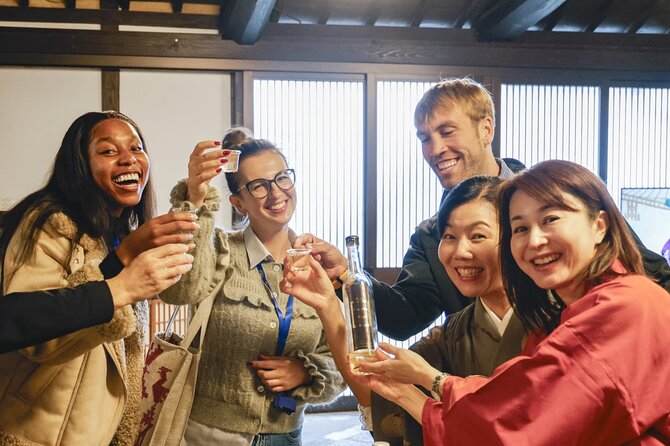
- Seven breweries in about two hours: You cover roughly 1.5 kilometers on foot, with several short tasting stops.
- Eight different sakes: The lineup includes Daiginjo, Junmai, Junmai Ginjo, Genshu, unfiltered sake, and cloudy sake.
- A strong introduction to Saijo: This is one of Japan’s three major sake brewing areas, making the town itself part of the lesson.
- Small group, maximum 10 people: The format leaves room for questions and keeps the walking pace easy.
- English guidance with useful comparisons: You learn not just what you are drinking, but why the flavors differ.
- One important limit: This is a tasting walk, not a behind-the-scenes brewery production tour.
Why Saijo is a smart place to learn about sake
Saijo is one of Japan’s three major sake brewing areas, so this tour gives you more context than a single tasting room in a large city. The breweries sit close enough together for a walking route, yet each has its own products, traditions, and preferred styles.
The town’s sake culture also makes the tastings easier to understand. Instead of sampling eight unrelated drinks, you move from brewery to brewery and compare how each producer approaches rice, koji mold, fermentation, sweetness, dryness, filtration, and alcohol strength.
I like this format for a first sake experience because you do not need to arrive with specialist knowledge. The guide explains the differences as you go, and the short stops keep any one tasting from becoming too technical.
The tour starts at 1 p.m. outside the ticket gate at Saijo Station, in front of the Higashihiroshima City Tourist Information Center. That is a sensible meeting point if you are arriving by train, but give yourself enough time to find the station exit and gather before the start.
More Brewery Tours in Japan
- 3-Hour Kyoto Insider Sake Brewery Tour with Tastings & Pairings
★ 5.0 · 917 reviews - Kyoto: Insider Sake Brewery Tour with Sake and Food Pairing
★ 5.0 · 704 reviews - Kyoto Sake Brewery & Tasting Walking Tour
★ 5.0 · 623 reviews
Kamotsuru: a polished first taste of Daiginjo
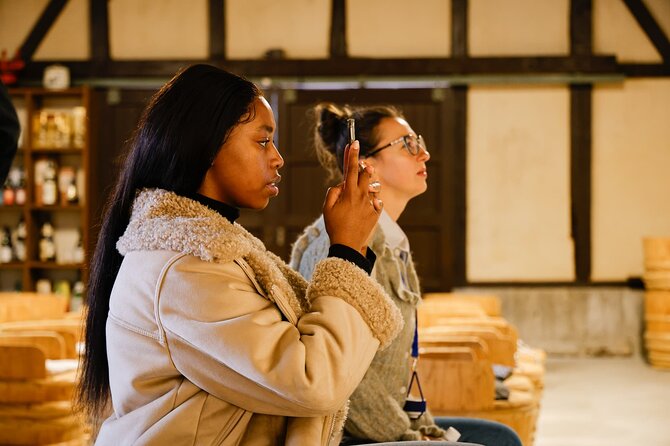
The first brewery is Kamotsuru, known here as a pioneer in Ginjo sake brewing. You watch a roughly 10-minute video about sake production in the visitor room, then taste Daiginjo Gold Kamotsuru.
This opening stop is useful because it gives you a basic picture of how sake is made before the tasting becomes more varied. Daiginjo is a refined style made with highly polished rice, and the sample helps set a reference point for the stops that follow.
The video is also one of the few structured teaching moments on the route. If you want to see tanks, workers, or a full production floor, this will not provide that. The tour specifically focuses on tasting, and the production video is a brief introduction rather than a brewery inspection.
Fukubijin: Saijo’s brewing-school tradition
At Fukubijin, you taste Junmai sake. The brewery is associated with the Saijo Brewing School and the training of many accomplished master brewers, which gives this stop a useful local angle.
Junmai is made with rice and koji mold as its key ingredients, without added distilled alcohol. For you, the value is in comparing this fuller, rice-focused style with the more polished Daiginjo tasted at Kamotsuru.
During winter, warm sake may also be available. That seasonal detail matters because serving temperature can change how a sake smells and tastes. Do not expect the warm option at every time of year, but if you visit in the colder months, it adds another simple lesson to the tasting.
Kamoizumi: a look at pure-rice sake
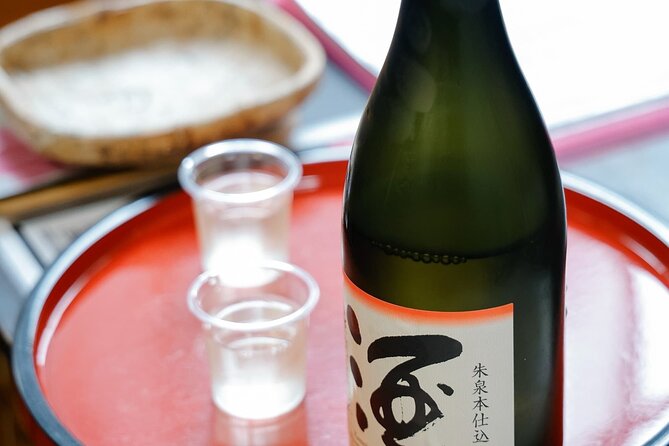
Kamoizumi was among the first breweries in Japan to begin making Junmai sake using only rice and koji mold as ingredients. The tasting here is Junmai Ginjoshu Shusen Honjikomi, a product that lets you compare the ideas of Junmai and Ginjo in one glass.
This is one of the more useful stops for anyone trying to make sense of sake labels. Junmai tells you about the ingredients, while Ginjo refers to a particular level of rice polishing and brewing style. You do not need to memorize the terms, but hearing them explained while tasting makes the labels less mysterious when you shop later.
At around 15 minutes, the stop is long enough for an explanation and a sample without slowing the whole walk. The frequent changes of brewery are a strength of this tour, though anyone hoping to linger over a single drink may find the schedule brisk.
More sake tastings around Japan:
- Best of Shinjuku: Izakaya Food Tour (4 Stops, 14+ Tastings)
★ 5.0 · 1,863 reviews - Tokyo: Shinjuku Local Bar and Izakaya Guided Walking Tour
★ 4.9 · 1,794 reviews - 1-Day Snow Monkeys, Zenko-ji Temple & Sake in Nagano
★ 5.0 · 1,020 reviews - Tokyo: Shinjuku Local Bar & Izakaya Crawl Tour
★ 5.0 · 890 reviews
A practical pause on Sakaguradori Street
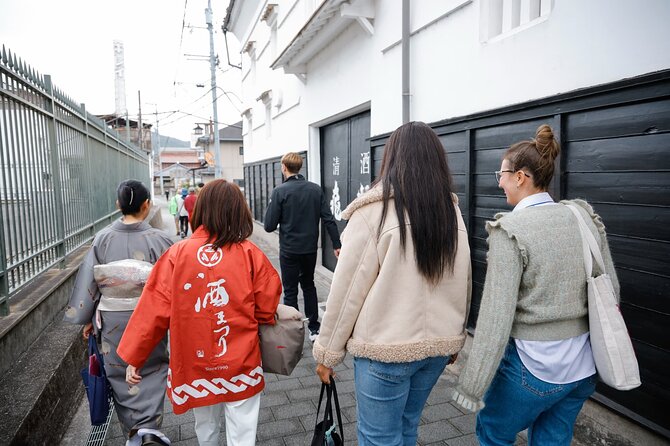
The Saijo Sakaguradori Tourist Information Center provides brochures, local information, souvenirs, and a restroom break. It is not a tasting stop, but it gives you a chance to reset between breweries.
I consider this a welcome part of the route. Seven brewery visits in two hours could otherwise feel like one long sequence of small glasses. The information center also gives you a place to ask about the sake district and look for souvenirs.
One useful detail from the tour feedback is that the area can also work for a local lunch. The food is not included, and lunch is not part of the scheduled tour, but you may want to plan a meal around the 1 p.m. start or after the tour ends.
Kirei: the dry side of Saijo sake
Kirei Shuzo is described as drier than many other Saijo sakes. The tasting is Yoshidaya’s Sake, a limited blend prepared by the brewery using sake ready to drink during that month.
This stop adds a clear contrast to the earlier samples. If you prefer a crisp, less sweet style, this may be one of the most useful tastings for your own palate. The monthly blend also means the exact character can vary, giving the stop a seasonal element.
The short 10-minute visit keeps the route moving, but it may not leave much time for detailed questions if the group has a lot to discuss. That is a recurring tradeoff on this tour: you get breadth across seven producers, not long visits at each one.
Saijotsuru: award-winning Junmai Daiginjo
Saijotsuru uses traditional techniques passed down through generations of Hiroshima sake brewers. Here you taste Junmai Daiginjo Genshu Shinzui, a sake that has received repeated awards.
Genshu means the sake is undiluted, so this sample offers another point of comparison with the earlier drinks. Paired with the Junmai Daiginjo classification, it gives you a chance to taste a style that is both highly polished and relatively full in alcohol character.
This is a good point in the tour to pay attention to how the guide describes balance. The goal is not simply to label one sake better than another. You are learning which styles suit different meals, seasons, and personal preferences.
Hakubotan: a brewery founded in 1675
Hakubotan is one of the oldest breweries in Hiroshima Prefecture, with a founding date of 1675. Its sample is Hyoka, an unfiltered sake that is fresh-frozen in a special way.
That makes Hakubotan one of the more distinctive stops. Unfiltered sake can offer a different texture and appearance from clear sake, and the freezing method gives the tasting a detail you are unlikely to encounter in a standard sake flight.
The stop lasts about 15 minutes, so there is room for the guide to explain what makes the product different. If you are curious about less familiar sake styles, this is likely to be one of the most memorable samples on the route.
Sanyotsuru: cloudy sake and the final tasting
Sanyotsuru is the only brewery on the route located west of Saijo Station. The final tasting may include cloudy sake, and sake ware is available for sale.
Cloudy sake is often called Nigori, and its milky appearance comes from fine rice particles left in the drink. It can be a striking contrast to the clear Daiginjo and Junmai samples tasted earlier.
Ending at Sanyotsuru gives the tour a broad finish. You have moved through polished, dry, undiluted, unfiltered, and cloudy styles, rather than tasting minor variations of the same drink. If you find a cup you especially like, the sake ware shop may also help you take home a more lasting reminder of Saijo.
What the two-hour pace feels like
The stated route covers about 1.5 kilometers, spread across seven breweries and several short stops. This is not a strenuous walk, but you should wear comfortable shoes because you will be on your feet while drinking.
The group size is capped at 10 people, which is small enough for the guide to answer questions without turning every stop into a crowded queue. It also helps keep the walking pace together. The relaxed feel is one of the tour’s strongest features, especially compared with a tightly packed city food tour.
The tastings do add up. Eight types of sake in two hours is a generous amount, so take the explanations seriously, pace yourself, and avoid planning a demanding activity immediately afterward. The route ends back at the meeting point, giving you a simple way to continue exploring Saijo or return to the station.
The order of the breweries can change depending on the number of groups on the day. You should treat the listed sequence as a likely route rather than a guarantee. The course itself may also change, so book this for the overall Saijo tasting experience, not for one exact timing at one exact brewery.
Price, group size, and what you receive
At about $50.87 per person, the tour offers eight alcoholic tastings, an English-speaking guide, and visits to seven breweries. I think that is fair value if you want structure and interpretation rather than simply buying a few drinks on your own.
The value comes from the range. A casual tasting at one brewery might give you a sample or two, but this route lets you compare seven producers in one afternoon. The guide also helps explain terms such as Daiginjo, Junmai, Genshu, and Nigori, which adds practical value for future sake shopping.
The price does not include anything beyond the listed tastings and guide service. Lunch, souvenirs, sake ware, and other purchases are extra. If you do not drink alcohol, the fee remains the same, so this is not a good choice for someone who plans to skip all tastings.
The maximum of 10 people is another reason the price feels reasonable. You are paying for a guided route with local context, not only for the liquid in the cups.
Who will enjoy this sake walk most
I would recommend this tour to you if you want a friendly introduction to sake, prefer small groups, and enjoy learning through comparison. It suits first-time sake drinkers particularly well because the guide explains the differences in plain terms while you taste them.
It also works for people who already know a little about sake but want to understand Saijo’s producers. The variety of styles gives you plenty to compare, and the historic breweries add a sense of place that a hotel bar tasting cannot provide.
You should think twice if you want to see the actual brewing process. The tour does not include a production-floor visit, and the Kamotsuru video is the main visual explanation of sake making.
You should also be comfortable walking about 1.5 kilometers and spending two hours tasting alcohol. A moderate level of physical fitness is recommended. Spanish-speaking guides may be arranged if requested in advance, but you should ask before booking.
Booking details worth remembering
The meeting point is the Higashihiroshima City Tourist Information Center at 12-3 Saijohonmachi, outside the ticket gate at Saijo Station. The start time is 1 p.m., and the activity returns to the same meeting point.
Arrive early. More than 15 minutes late is treated as a cancellation, with no refund. The tour may be canceled because of bad weather or another sudden issue, in which case contact is sent to your registered email by 5 p.m. the day before.
Free cancellation is available if you cancel at least 24 hours before the start time. Cancellations or changes inside that window are not refunded or accepted. Japan local time controls the cutoffs, so check the time carefully if you are arranging plans from another time zone.
Should you book the Saijo sake tour?
I would book it if you want a well-organized, modestly priced introduction to Hiroshima’s sake culture. The strongest reasons are the small group, the easy walking route, the eight-sake comparison, and the chance to meet seven different brewery traditions in one afternoon.
The tour is especially good for someone who wants more than a drink in a glass but less than a full technical brewing class. Choose it for the range of tastings and the guide’s explanations. Skip it if you do not drink, need a wheelchair-friendly itinerary, or specifically want to watch sake being produced.
For most sake-curious visitors with two free hours in Saijo, this is a sensible and enjoyable use of an afternoon.
FAQ
Where does the tour begin?
It begins at the Higashihiroshima City Tourist Information Center, located outside the ticket gate at Saijo Station in Saijo, Hiroshima.
What time does the tour start?
The tour starts at 1 p.m.
How long does the experience last?
It lasts approximately two hours.
How much walking is involved?
The route covers about 1.5 kilometers on foot. Comfortable walking shoes are recommended.
How many types of sake will I taste?
You will taste eight different types of sake from seven breweries.
Is the sake brewing process included?
No. This is a tasting tour, and you will not observe the sake brewing process. A short video about sake making is shown at Kamotsuru.
What happens if I arrive late?
Arriving more than 15 minutes after the start time is treated as a cancellation, and the amount paid is not refunded.
More Brewery Visits around Japan
- KOBE Sake Tasting Tour at Breweries (tasting fee included)
★ 5.0 · 154 reviews - Kobe: Guided Sake Breweries Tour with Tastings
★ 5.0 · 55 reviews - Kyoto: Sake Brewery and Tasting Tour in Fushimi
★ 4.8 · 55 reviews - Takayama: Authentic Sake Tasting at a Historic Brewery
★ 4.8 · 50 reviews
Just added around Japan
- Tokyo : Asakusa Food Tour – 12 Dishes & 3 Drinks★ 5.0 · 44 reviews
- Private sake pairing@ancient underground★ 5.0 · 27 reviews
- Sake & Seasonal Delights Sake Pairing Lunch at the Brewery★ 5.0 · 8 reviews
- Tokyo: Toshimaya Sake Brewery Tour with Sake Tasting★ 5.0 · 6 reviews
- Tokyo: Sushi Cooking Class with Sake Tasting★ 4.8 · 55 reviews
- Tokyo: The Best Izakaya Tour in Shibuya★ 4.7 · 15 reviews
- Tokyo: Sushi and Ramen Cooking Class with Sake Pairing Set★ 5.0 · 81 reviews
- Tokyo: Shinjuku Izakaya and Golden Gai Bar Hopping Tour (2h)★ 4.9 · 67 reviews
Sake Tasting, compared.
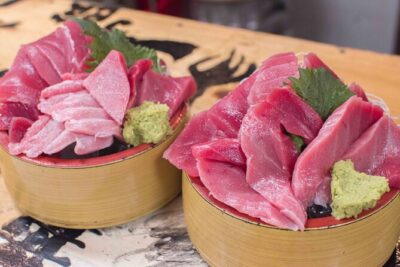
Best of Shinjuku: Izakaya Food Tour (4 Stops, 14+ Tastings)
Read our review →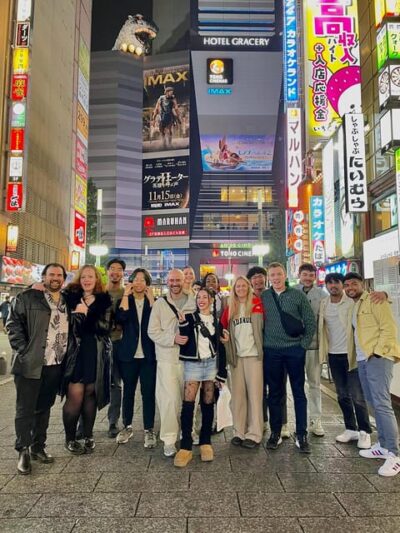
Shinjuku Local Bar and Izakaya Guided Walking Tour
Read our review →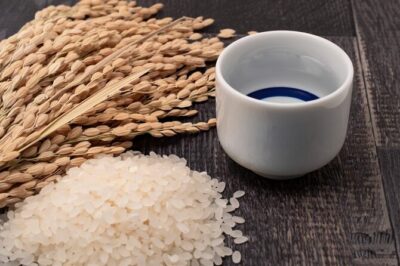
1-Day Snow Monkeys, Zenko-ji Temple & Sake in Nagano
Read our review →
3-Hour Kyoto Insider Sake Brewery Tour with Tastings & Pairings
Read our review →

Nagano: Snow Monkeys, Zenkoji Temple & Sake Day Trip
Read our review →
Insider Sake Brewery Tour with Sake and Food Pairing
Read our review →Browse the lists this tour appears in