
REVIEW · TOKYO BOOZY TOURS
Tokyo: Sushi and Ramen Cooking Class with Sake Pairing Set
Sushi and ramen make a fine Tokyo double act. This three-hour class brings both dishes together in a friendly kitchen near Tsukishima, with English instruction, hands-on cooking, and three Japanese sakes selected by a certified sake sommelier. I like the very small group size, which allows plenty of help, and the useful recipe booklet, which gives you a fair chance of repeating the meal at home.
I also like the cultural side. You learn where sushi and ramen came from, how the dishes developed, and which ingredients matter. The main consideration is that this is not suitable for vegans or vegetarians, and some cooking steps are prepared in advance so everything fits into three hours.
Key points at a glance
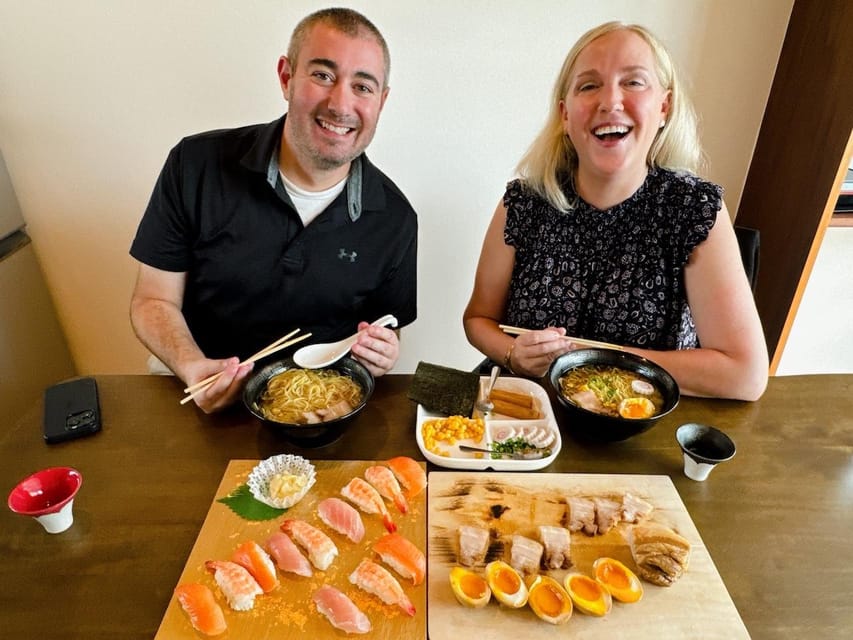
- Two Japanese classics in one class: Make ramen and chashu pork, then shape nigiri sushi by hand.
- Small, personal setting: Groups are limited to eight, with the usual format built around about four participants.
- Three sake pairings: Taste three premium Japanese sakes selected by a certified sake sommelier.
- Useful take-home material: Receive recipes for ramen, gyoza, and sushi, plus ingredient substitution advice.
- Friendly English instruction: Instructors such as Sato, Haruko, Risa, Misa, Luna, Alisa, and Alex have been praised for patient, warm teaching.
- Easy central Tokyo access: The kitchen is a five-minute walk from Exit 4 of Tsukishima Station.
What this Tokyo cooking class is really like
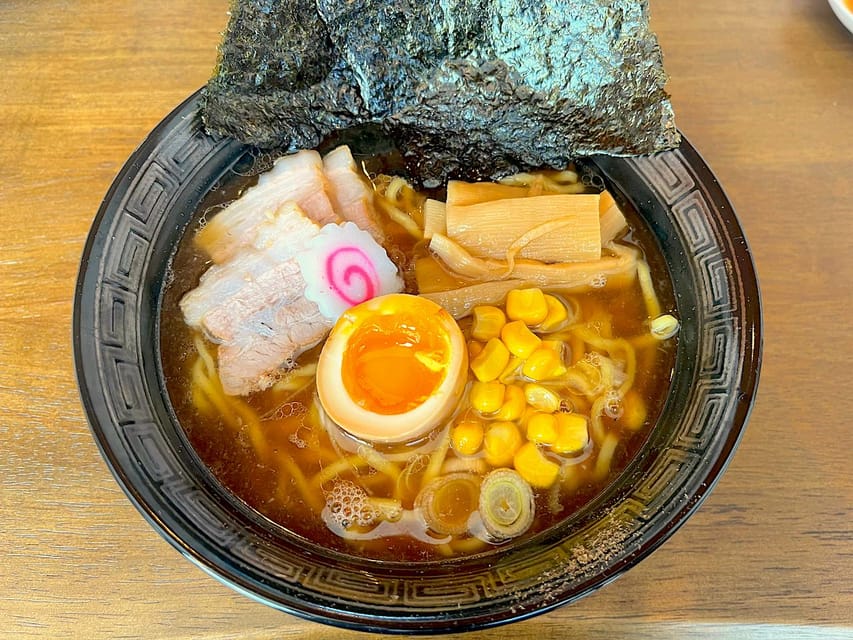
This is not a cooking demonstration where you sit at the back and watch someone else do the work. You handle ingredients, follow instructions, shape sushi, and take part in preparing a bowl of ramen. That makes the class useful for beginners, but it also gives confident home cooks enough technique and background to keep things interesting.
The setting is intimate. The group limit is eight, while many sessions appear to be arranged for roughly four people. That matters because sushi can be fiddly, and ramen involves several elements that need to come together at the right time. A small class gives you room to ask questions without trying to catch the instructor’s attention across a crowded room.
The tone is warm and relaxed rather than formal. The teaching team has been praised for being patient, generous, and easy to talk with. Names that have come up repeatedly include Sato, Haruko, Risa, Misa, Luna, Alisa, and Alex. The exact instructor depends on the class, but the consistent strength is friendly English-language guidance.
More Sake Tastings in Tokyo
- Best of Shinjuku: Izakaya Food Tour (4 Stops, 14+ Tastings)
★ 5.0 · 1,863 reviews - Tokyo: Shinjuku Local Bar and Izakaya Guided Walking Tour
★ 4.9 · 1,794 reviews - Tokyo: Shinjuku Local Bar & Izakaya Crawl Tour
★ 5.0 · 890 reviews
Arriving at HAUS Tsukishima
The class takes place on the second floor of HAUS Tsukishima, at 2-13-5 Tsukuda in Chuo-ku. From Tsukishima Station, use Exit 4 and allow about five minutes on foot. The station is served by the Yurakucho Line and the Oedo Line, making this a practical stop if you are coming from central Tokyo.
The location also works well alongside other sightseeing plans. By taxi, it is listed as about six minutes from Tsukiji Fish Market, nine minutes from Ginza, ten minutes from Tokyo Station, and eleven minutes from teamLab Planets. Shinjuku is about thirty minutes away by taxi, so the class is easier to pair with eastern or central Tokyo than with a packed west-side schedule.
Arrive five minutes before the start time. That small buffer is worth taking seriously. You will want to find the building, reach the second floor, and settle in before the first explanation begins.
Wear comfortable clothes that you do not mind getting a little dirty. Cooking involves handling food and working around sauces, broth, and ingredients, so your smartest outfit is practical rather than polished.
Building a bowl of ramen from the broth up
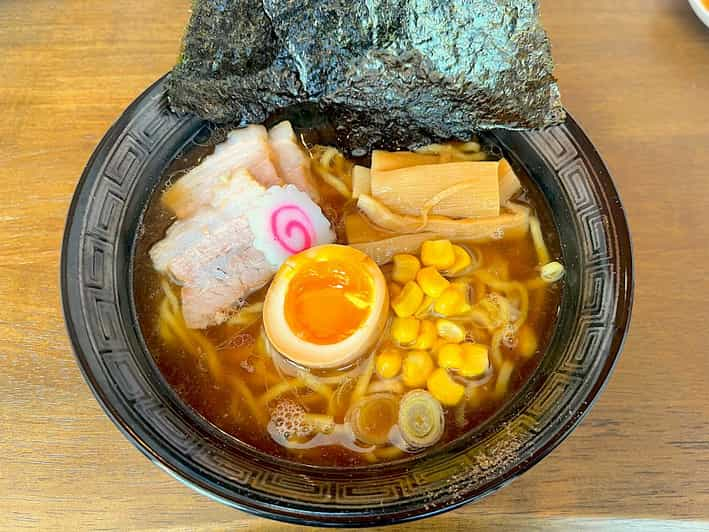
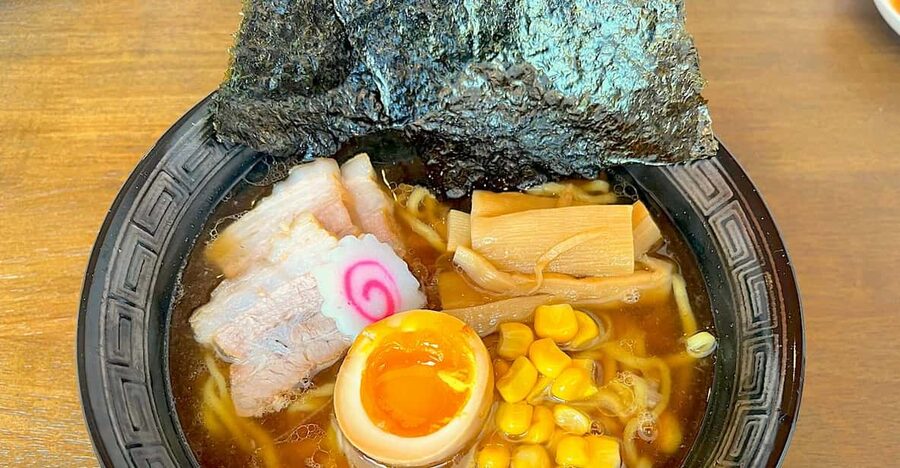
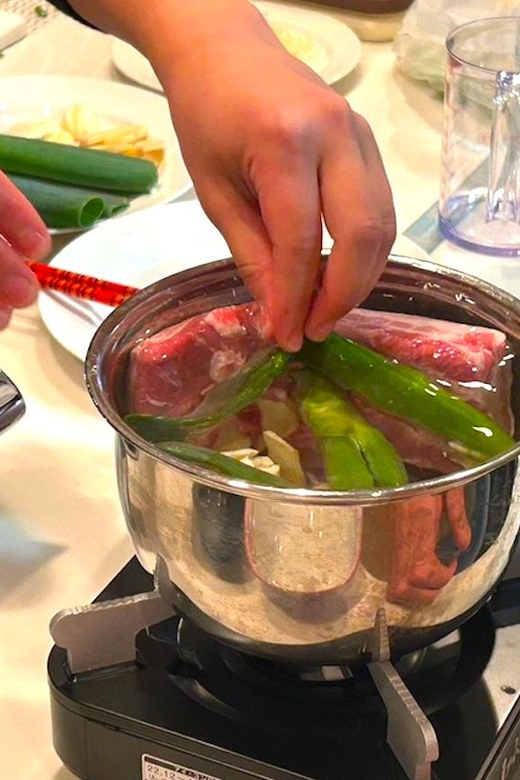
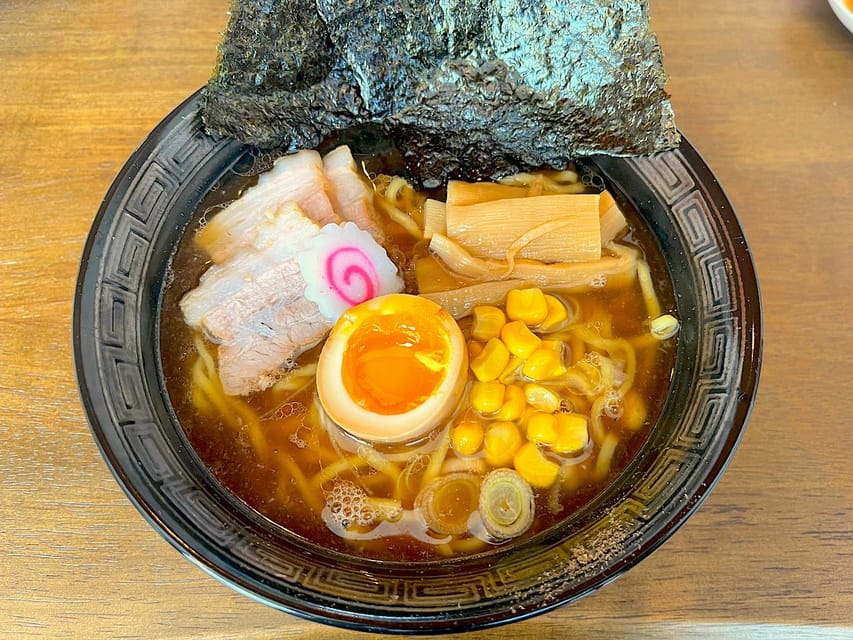
The ramen portion is more than boiling noodles and adding a topping. The focus is on the parts that give the dish its character, especially the soup and chashu pork. You learn how the broth is put together and how to prepare tender pork belly with the right balance of flavor and texture.
This is valuable because ramen can look simple in a restaurant bowl, yet its appeal comes from several pieces working together. The soup needs strength, the noodles need the right texture, and the toppings need to fit rather than overwhelm the bowl. The class shows you how those parts relate.
Some preparation is done ahead of time to keep the three-hour session manageable. That is worth knowing before you book. You will not be making every component from the first raw ingredient to the final bowl, but you also should not feel rushed. The practical benefit is that you get enough time to cook, ask questions, sit down, and enjoy the meal.
The chashu lesson is especially useful for anyone who loves ramen but has never tried making the pork at home. You learn the role of seasoning, cooking, and slicing rather than treating chashu as a mysterious restaurant-only topping.
The finished ramen has received especially strong praise for its flavor. One useful detail is the quality of the ingredients. The cooking team has been described as sourcing fresh produce and seafood from Toyosu Market, which helps explain why the meal feels like more than a basic practice dish.
Learning to shape nigiri sushi
The sushi section focuses on nigiri, the small hand-formed pieces made with seasoned rice and a topping. You are given the ingredients and tools, then shown how to shape the rice and finish each piece.
Nigiri looks easy until you try to form it evenly. Too much pressure can compact the rice, while too little can leave it falling apart. A patient instructor makes a real difference here, particularly if this is your first attempt.
You also learn about the origins of sushi and the food traditions behind it. That context adds value because sushi is not only about placing fish on rice. Rice, seasoning, texture, portion, and presentation all matter. The class gives you a clearer sense of why the technique is handled with such care.
The balance between instruction and eating is well judged. You practice the method, then enjoy what you have made rather than leaving with a small taste and a hungry stomach. Several participants have found the portions generous enough that finishing everything can be a challenge, so do not plan a large meal immediately afterward.
More sake tastings around Tokyo:
- Shibuya: Local Bar & Izakaya Crawl
★ 4.9 · 354 reviews - Ramen and Sushi Cooking Class with Sake Pairing Set in Tokyo
★ 5.0 · 291 reviews - Sake Tasting Masterclass in Shinjuku (8+ Varieties with a Pro)
★ 5.0 · 271 reviews - Sake Omakase in Tokyo: Guided Tasting by Certified Sommeliers
★ 5.0 · 239 reviews
Sake tasting with a little context

The sake pairing set includes three premium Japanese sakes chosen by a certified sake sommelier. This is not just a drink added to the table. The tasting gives you a way to compare different styles alongside sushi and ramen.
One member of the teaching team comes from a sake brewing family, adding a personal connection to the subject. If you are curious about sake but usually find restaurant menus hard to understand, this is a pleasant setting in which to ask questions and taste without pressure.
The pairing is also a good reason to take your time. The meal is designed as part of the class, so you can compare the drinks with the food rather than treating the sake as a separate bar stop. Beer has been available at some sessions, but it is not listed as a standard inclusion. I would count on the three sake servings and regard anything else as a possible extra, not a promise.
As always with alcohol, pace yourself. You are still cooking, and the class runs for three hours. The aim is to enjoy the flavors, not to turn a culinary lesson into a drinking session.
The cultural side is worth your time
The best part of the class may be the conversation around the food. You learn about the origins of sushi and ramen, Japanese cooking customs, ingredient choices, and practical substitutions for cooking outside Japan.
That last point makes the recipe booklet particularly useful. Authentic Japanese ingredients can be difficult to find overseas, and a recipe that simply says to use an ingredient unavailable in your local shop is not much help. Substitution tips give you a more realistic path to recreating the dishes at home.
The booklet includes instructions for ramen, gyoza, and sushi, even though the class centers on ramen and nigiri. It is a helpful extra rather than a decorative souvenir. You also receive a pair of high-quality chopsticks, which makes a simple and useful keepsake.
The teaching style includes interaction rather than a long lecture. Activities such as a short quiz have been used to encourage people to work together and remember the cultural details. That keeps the class lively without turning it into a school lesson.
How personal is a group of four to eight?
The published maximum is eight participants, but the experience is designed to feel smaller. A group of around four gives the instructors time to correct your technique, answer individual questions, and keep an eye on several cooking tasks.
That format suits couples, families, and solo visitors. A solo participant might end up in a very small session, while a family can share the activity without being separated into different work areas. The social side is also low pressure. You cook with other people, but the class is not so large that introductions and conversation become awkward.
There is one trade-off. A small cooking space can feel cozy rather than spacious. If you prefer a large professional kitchen with plenty of room around every station, this may feel compact. The benefit is closer instruction and a more human atmosphere.
The facilities have been described as clean and well maintained. That matters when you are preparing food and moving between several stages of a meal.
Is $129 a good value?
At $129 per person, this is not a bargain meal. You could eat sushi and ramen for less in Tokyo, especially if your only goal is to fill up. The price makes more sense when you count the full package.
You receive three hours of instruction, all ingredients, the sushi and ramen meal, hands-on practice, cultural background, a three-sake tasting, recipes, and chopsticks. You also leave with techniques you can use again. If you enjoy cooking or want one structured food experience during your time in Japan, the value is reasonable.
The class is particularly good value for couples and families who want a shared activity rather than another restaurant reservation. It also works for a special occasion. One participant used the class as an anniversary activity, which makes sense: you do something together, then sit down to eat the results.
The value is weaker if you do not drink sake, have no interest in cooking, or simply want a quick introduction to Japanese food. In that case, a market visit or casual restaurant meal may be a better use of your budget.
Who should book this class?
I would recommend it to first-time visitors who want a practical connection with Japanese food. You do not need prior cooking experience. The instructors are used to helping beginners, and the class has also suited people who already cook at home.
Families should find the format appealing, provided everyone eats the foods being prepared. Couples can turn it into a relaxed afternoon activity, while solo visitors have a good chance of receiving plenty of individual attention in a small group.
It is also a strong choice for anyone who wants to recreate Japanese dishes after returning home. The recipe booklet and ingredient advice give the class a longer life than the meal itself.
I would not choose it for vegans or vegetarians, since the class is specifically not suitable for either. It may also disappoint someone expecting a fully from-scratch ramen production from start to finish. Some elements are prepared in advance, a sensible choice for a three-hour class that also includes sushi, sake, teaching, and time to eat.
A simple afternoon plan
The class lasts three hours, so protect that block in your schedule. Avoid placing a major appointment immediately afterward, especially if you want to enjoy the meal and sake without watching the clock.
Tsukishima makes sense as part of a day around Tokyo Station, Ginza, Tsukiji, or teamLab Planets. The taxi times are short from those areas, though the train is likely the more practical choice during busy periods. From Shinjuku, allow more time and avoid creating a tight connection with another booking.
Bring your booking details, wear comfortable clothes, and arrive five minutes early. That is about all the preparation you need.
Should you book the sushi and ramen class?
Book it if you want more than a meal and like the idea of learning by doing. The strongest reasons are the small group, warm English-speaking instructors, fresh ingredients, useful recipes, and the chance to make two of Japan’s most famous dishes in one sitting.
The class is not ideal for plant-based diets, strict schedules, or anyone seeking a purely restaurant-style experience. For everyone else, $129 buys a well-rounded afternoon with food, instruction, cultural context, sake, and a souvenir you can actually use. If sushi and ramen are already high on your Tokyo wish list, this is a sensible way to meet both in one place.
FAQ
How long does the Tokyo sushi and ramen class last?
The class lasts three hours, including cooking, instruction, sake tasting, and time to eat the food you prepare.
Where is the cooking class held?
It is held on the second floor of HAUS Tsukishima, at 2-13-5 Tsukuda, Chuo-ku, Tokyo 104-0051.
How do I reach the meeting point?
The venue is a five-minute walk from Exit 4 of Tsukishima Station, marked Y21. By taxi, it is about six minutes from Tsukiji Fish Market and nine minutes from Ginza.
Is the class taught in English?
Yes. The class is conducted in English by English-speaking instructors.
What food will I learn to make?
You will learn to prepare ramen, including the soup and chashu pork, and make nigiri sushi by hand. Recipe materials also cover gyoza.
Is sake included?
Yes. The experience includes a tasting of three premium Japanese sakes selected by a certified sake sommelier.
Can vegans or vegetarians join?
No. The class is not suitable for vegans or vegetarians.
More Workshops in Tokyo
- Bruges: Belgian Waffle-Making Workshop with Beer Tasting
★ 4.9 · 960 reviews - Paella Workshop with Bottomless Sangria in Central Madrid
★ 5.0 · 763 reviews - The Waffles ‘n Beer Workshop in Bruges Centre
★ 5.0 · 429 reviews - Taste of Spain: Tapas Cooking Class with Bottomless Wine Pairing
★ 5.0 · 414 reviews
More Cooking and Drinking Classes around Tokyo
- Tokyo Washoku 4-hour Cooking Class: From Market to Table
★ 5.0 · 253 reviews - Tokyo: Sushi Cooking Class with Sake Tasting
★ 4.8 · 55 reviews - Tokyo: Night Cooking Class: 5 Home-Cooked Japanese Dishes
★ 4.9 · 13 reviews - Paella Cooking Class in Madrid with Bottomless Wine Pairing
★ 5.0 · 985 reviews
Just added around Tokyo
- Tokyo: Toshimaya Sake Brewery Tour with Sake Tasting★ 5.0 · 6 reviews
- Tokyo: Sushi Cooking Class with Sake Tasting★ 4.8 · 55 reviews
- Tokyo: The Best Izakaya Tour in Shibuya★ 4.7 · 15 reviews
- Tokyo: Shinjuku Izakaya and Golden Gai Bar Hopping Tour (2h)★ 4.9 · 67 reviews
- Tokyo: Shinjuku Nightlife Tour with Karaoke and Bar Hopping★ 4.1 · 4 reviews
- Tokyo: Shinjuku Hidden Japanese Bar Tour (Neon Light City)★ 5.0 · 4 reviews
- Tokyo: Shinjuku Golden Gai Bar Hopping that only locals know★ 5.0 · 5 reviews
- Tokyo: Shinjuku Bar Hopping & Karaoke Night Tour★ 4.9 · 19 reviews
Sake Tasting, compared.
Best of Shinjuku: Izakaya Food Tour (4 Stops, 14+ Tastings)
Read our review →
Shinjuku Local Bar and Izakaya Guided Walking Tour
Read our review →
1-Day Snow Monkeys, Zenko-ji Temple & Sake in Nagano
Read our review →
3-Hour Kyoto Insider Sake Brewery Tour with Tastings & Pairings
Read our review →

Nagano: Snow Monkeys, Zenkoji Temple & Sake Day Trip
Read our review →

Insider Sake Brewery Tour with Sake and Food Pairing
Read our review →Browse the lists this tour appears in