
REVIEW · KOBE BOOZY TOURS
1-Day Kobe Highlights Tour including Sake Tasting
Kobe rewards curious walkers. This seven-hour tour ties together mountain views, traditional craft, shrine culture, and sake without making you sort out every train, ropeway, and admission ticket yourself. I especially like the ride through the Nunobiki Herb Garden and the visit to the Takenaka Carpentry Tools Museum, two very different stops that show Kobe beyond its port and famous beef.
The tour also earns points for its intimate size, limited to eight people, and for guides such as Aki, Akari, Sunny, Koko, and Mizu, who have been praised for personal attention, clear explanations, and thoughtful help with photos and meals. The main drawback is pace: seven hours covers a lot, and closures or poor weather can change the plan. Lunch is also not included.
Key points before you book
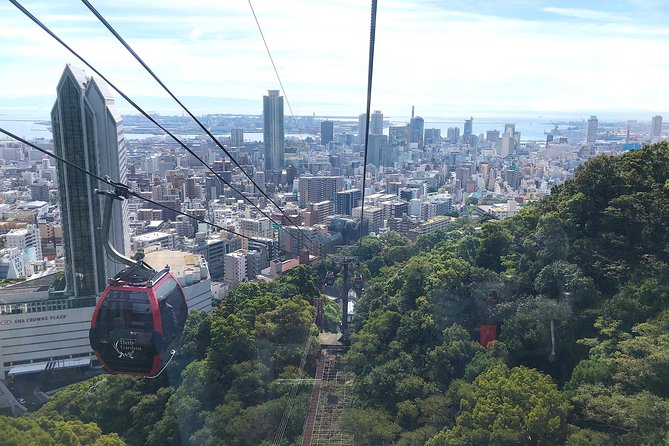
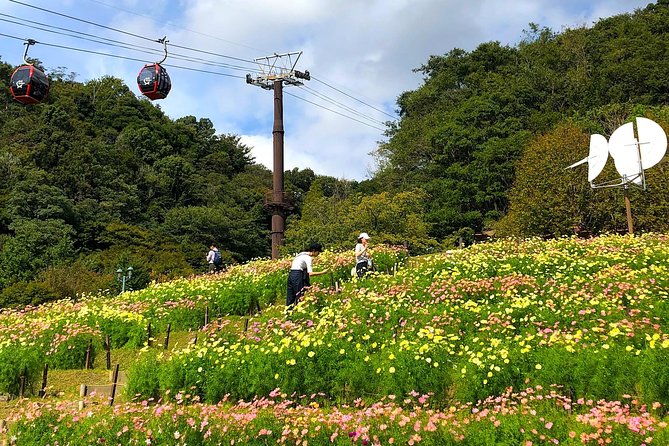
- The ropeway gives you Kobe from above: Round-trip ropeway tickets are included for the Nunobiki Herb Garden, with time to walk through the gardens and enjoy city views from Mt. Rokko.
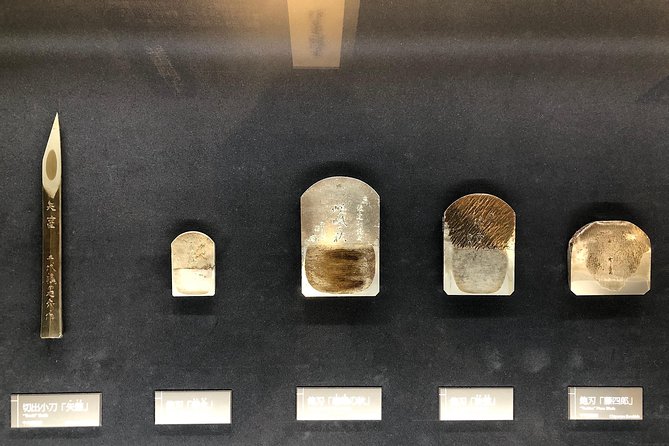
- The carpentry museum is a serious highlight: The Takenaka Carpentry Tools Museum explains how Japanese craftsmen built temples and houses, using tools, displays, and demonstrations to make the subject approachable.
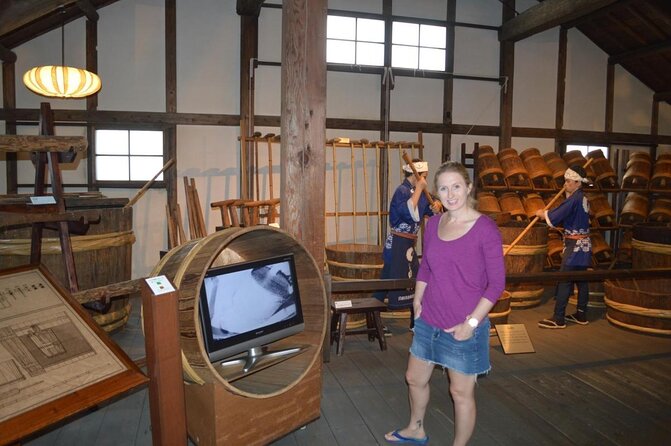
- Sake tasting comes at the end of a useful museum visit: At the Hakutsuru Sake Brewery Museum, you learn how sake is made before sampling different brands.
- Transport planning is kept simple: Train tickets, the ropeway, admissions, and Kobe city hotel pickup and drop-off are included.
- This is best for first-time Kobe visitors: You get nature, religion, design, shopping and food areas, and local drinks in one well-organized day.
- You need moderate fitness: Expect walking, station transfers, museum visits, and paths through a hillside garden.
Why this seven-hour Kobe route works
Kobe is easy to underestimate. Many visitors see it as a port stop or a base for eating beef, but the city sits between the sea and Mt. Rokko, with shrines, gardens, museums, and sake breweries close at hand. This tour uses that compact setting well.
You begin at Shin-Kobe Station, then move through four main experiences: Nunobiki Herb Garden, the Takenaka Carpentry Tools Museum, Ikuta Shrine, and Hakutsuru Sake Brewery Museum. The order creates a natural shift from scenery to craftsmanship, then religion and food culture.
I like this mix because no single stop has to carry the whole day. The herb garden gives you fresh air and views. The carpentry museum adds substance. Ikuta Shrine offers a short cultural pause in the city center. The sake museum finishes with something you can taste.
At $171.31 per person, this is not a bargain-priced sightseeing walk. The value comes from what is bundled: an English-speaking guide, entrance fees, the ropeway, sake tasting, a train ticket from Sannomiya to Sumiyoshi, and Kobe city hotel transfers. If you would otherwise arrange several short journeys and pay separately for the ropeway and museums, the price becomes easier to justify.
The tour is also rated 4.6 out of 5, with 96 percent recommending it. The small group format matters here. A guide can answer questions, adjust explanations, and help with photos more easily than on a large coach excursion.
More sake tastings around Japan:
- Best of Shinjuku: Izakaya Food Tour (4 Stops, 14+ Tastings)
★ 5.0 · 1,863 reviews - Tokyo: Shinjuku Local Bar and Izakaya Guided Walking Tour
★ 4.9 · 1,794 reviews - 1-Day Snow Monkeys, Zenko-ji Temple & Sake in Nagano
★ 5.0 · 1,020 reviews
Starting at Shin-Kobe and heading uphill
The stated meeting point is Shin-Kobe Station at 1-chōme-3-1 Kanōchō. The tour ends back at the meeting point, although pickup and drop-off are offered for hotels in Kobe. Port pickup and drop-off are also listed for Kobe and Osaka ports.
If you are arriving from a cruise ship, confirm the meeting instructions carefully. One customer had trouble finding the guide after arriving early and waiting on the wrong floor. That is a useful warning, not a reason to avoid the tour: ship schedules and station meeting points can create confusion, so you should have the exact pickup location and contact details ready.
From Shin-Kobe, the ropeway takes you toward the Nunobiki Herb Garden. The trip itself is part of the attraction. The higher you go, the better the view across Kobe, with the city stretching toward the water. One especially memorable point is the view of Nunobiki Falls from above.
The ropeway is round trip, and that removes one awkward detail from the day. You do not need to work out how to return from the hillside. The tour allows about an hour and a half for the garden, which gives you time to walk, stop for views, and avoid treating the place as a quick photo stop.
Nunobiki Herb Garden and the view over Kobe
Nunobiki Herb Garden is described as Japan’s largest herb garden, with about 75,000 herbs and 200 flower species. You are not simply being sent uphill for a panorama. The garden is designed as a series of paths and planted areas, with views opening around the curves.
I would treat this as the most scenic part of the tour. You get the city, the water, and Mt. Rokko in one frame, along with a pleasant change from urban streets. The garden also gives the day breathing room before the more detailed museum visits.
The main practical point is the slope. The ropeway carries you upward, but you may walk downhill through the garden afterward. One account described the hillside as steep and the paths as a series of changing views. Comfortable shoes matter, even though you are not climbing the entire hill.
Weather affects this stop most of all. Fog, rain, or poor visibility can take away the long views, and the experience requires good weather. If the operator cancels for weather, you are offered another date or a full refund.
The garden is a good fit for you if you enjoy plants, city views, and gentle sightseeing rather than nonstop monuments. If you prefer dense historical explanation at every stop, the next museum will probably hold your attention more.
Japanese craftsmanship at the Takenaka museum
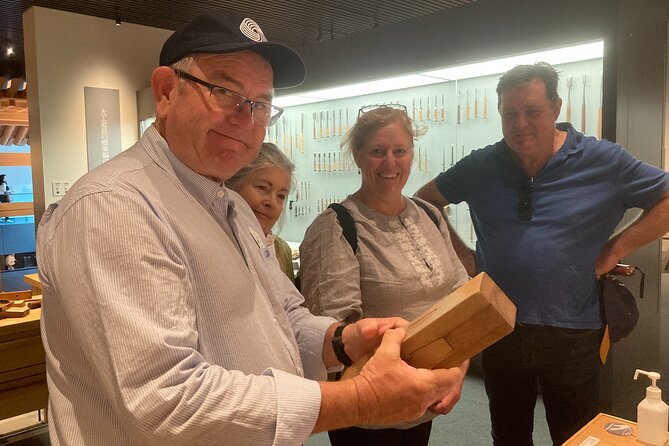
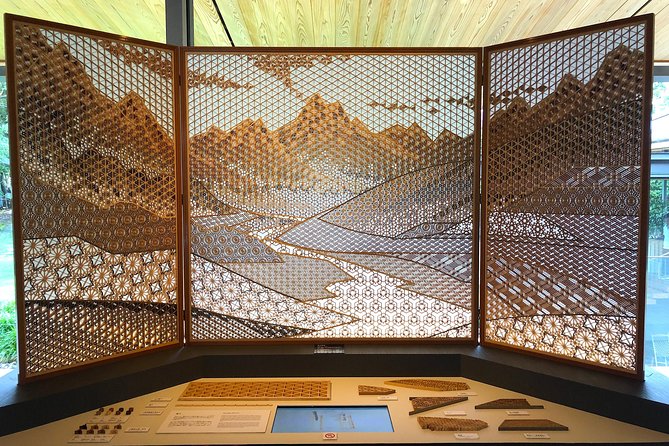
After the garden, you head to the Takenaka Carpentry Tools Museum, a short walk from Shin-Kobe Station. The museum was established in 1984 and is described as the only carpentry tool museum in Japan.
This is the tour’s most distinctive stop. Many sightseeing programs mention Japanese architecture but never explain how the buildings were made. Here, tools and displays show the skill behind temples and houses. The subject becomes practical: cutting, shaping, joining, and building without reducing the craft to a vague idea of tradition.
The museum takes about an hour. That is enough time for a proper introduction, though not so long that the day becomes a specialist study visit. Aki received particular praise for beginning the tour here, with the museum’s building and displays making a strong first impression.
You should not expect a hands-on workshop unless the schedule specifically says so. The value is in seeing the tools and understanding the work they represent. If you like design, architecture, engineering, or old trades, this may be the stop you remember longest.
The museum also gives the guide a chance to add context. A good explanation can connect a plain-looking tool to the construction of a temple roof or wooden home. Guides Aki, Akari, Sunny, Koko, and Mizu have been praised for making the day personal and informative, but guiding styles naturally differ.
More boozy day trips around Japan:
- Nagano: Snow Monkeys, Zenkoji Temple & Sake Day Trip
★ 4.9 · 833 reviews - Private Nagano 1-Day Tour:Snow Monkeys,Zenko-ji,Obuse,Sake,Onsen
★ 5.0 · 71 reviews - From Nozawa Onsen: Snow Monkeys and Zenko-ji Day Trip & Sake
★ 4.9 · 13 reviews - 1-Day Walking Tour around Kobe : Mountains, Sea and Sake
★ 3.9 · 6 reviews
A short visit to Ikuta Shrine
Ikuta Shrine is the briefest stop, at about 20 minutes. It is one of Kobe’s best-known shrines and is linked to the origin of the city’s name. The shrine honors a deity associated with marriage, and many couples hold wedding ceremonies here.
Twenty minutes is not enough for an exhaustive shrine visit. It is enough to see the grounds, note the architecture, and understand why this place matters to local life. The short timing also keeps the tour moving toward the brewery.
I like the contrast with the carpentry museum. At the museum, you study the objects used to build Japanese structures. At Ikuta Shrine, you see a living religious site where ceremonies and daily visits continue. It is not presented as a theatrical attraction. It is a working shrine in the middle of Kobe.
Keep your expectations sensible. This is an introduction, not a long spiritual or architectural tour. If you want extended quiet time for prayer or photography, you may wish the schedule allowed more than 20 minutes.
Sake at the Hakutsuru Brewery Museum
The final major stop is the Hakutsuru Sake Brewery Museum, with about 50 minutes allotted. This is where the day becomes especially satisfying for anyone who likes to understand a local drink before tasting it.
Hakutsuru has been active in sake production and has introduced changes such as chilled sake and easy-to-carry plastic bottles. The museum explains the brewing process and the company’s place in the industry. Afterward, sake tasting is included, with different brands available to sample.
This is not just a bar stop added at the end of a sightseeing route. The museum gives you a reason to pay attention to flavor, production, and regional drinking habits. You can taste with some context instead of simply accepting a small cup and moving on.
The sake visit was one of the strongest parts for people who completed the full route. Still, an important limitation appears in the tour feedback: the herb garden and carpentry museum have sometimes been closed, while the sake visit and shrine continued. If one or more sites are unavailable, your day may feel less balanced.
Ask your guide what is open that day. Etsuko, for example, was praised for offering interesting alternatives when parts of the planned route were unavailable. That kind of flexibility matters more than a perfectly fixed schedule.
Lunch, shopping, and the gaps in the schedule
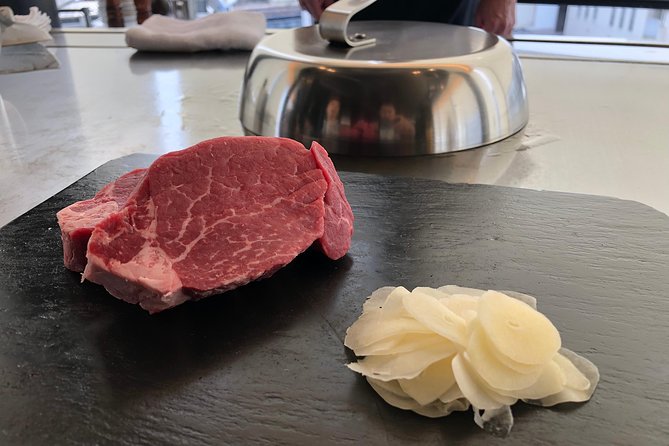
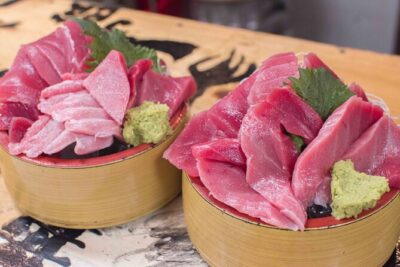
Lunch is not included, so you should budget for it separately. One guide, Aki, took a group to a restaurant for sushi, which they considered a major highlight. That does not guarantee the same restaurant or meal for every departure, but it shows that your guide may be able to suggest a good local option.
The tour description also points toward shopping and food areas, but the timed stops focus on the garden, museum, shrine, and brewery. Do not book this expecting a long shopping session or a full Kobe food tour. You may see useful areas along the way, but the schedule is built around cultural sights.
This matters because $171.31 can feel high if you compare it with a simple self-guided walk. It makes more sense if you want someone else to connect the stops, handle the included tickets, explain what you are seeing, and manage the train and ropeway portions.
The train ticket included is for Sannomiya Station to Sumiyoshi Station. That does not mean every possible train ride in Kobe is covered, so read the transport details carefully. Private taxis, cars, or buses are available for an extra fee, but private transport is not part of the base price.
Group size, walking, and guide quality
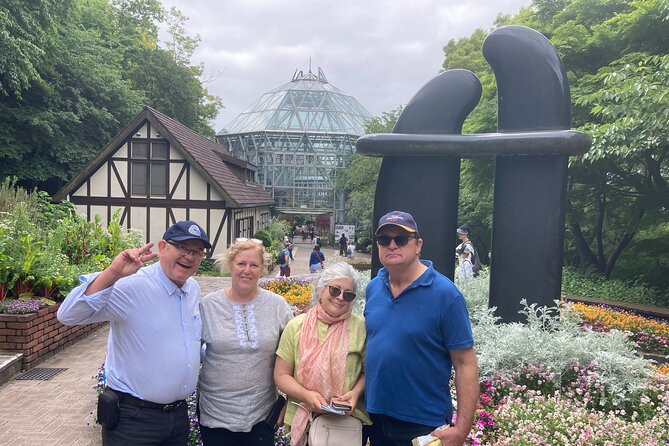
The experience is described as private, with only your group participating, and also as limited to eight people. In practice, you should expect a small-format tour rather than a large bus outing. That is a useful distinction if you want questions answered and do not enjoy waiting for dozens of people.
The physical demand is moderate. You will use a ropeway, walk through a hillside garden, move between city sights, and spend time on your feet in museums and shrine grounds. The tour is not presented as a strenuous hike, but it is not a seated sightseeing ride either.
Wear shoes suitable for slopes and ordinary city walking. The garden is the section most likely to test your legs, especially if you walk downhill through its paths. If you have mobility concerns, contact the operator before booking, since the provided details only specify moderate physical fitness.
The guides receive some of the warmest praise connected with this tour. Aki helped with photos and pacing. Akari was appreciated for explaining every stop. Sunny provided a personal city tour, while Koko was praised for staying attentive to comfort. Mizu focused on Kobe’s past, and Etsuko handled changes with useful alternatives.
That variety suggests the guide can make or break the day, as it can on any small group tour. The strongest benefit is not simply having an English speaker present. It is having someone who can connect a carpentry tool to a building, explain a shrine’s role, and help you make sense of sake tasting.
Who should book this Kobe day tour?
I would recommend it most strongly to first-time visitors with one day in Kobe, cruise passengers who want an organized shore excursion, and anyone who would rather not coordinate several local trains and admissions.
It also suits you if you like a broad sample of a city. You get plants, views, architecture, religion, and drink culture without spending the entire day in one museum.
You may want another option if you prefer a slow pace, a private car, extensive shopping, or a focused food tour. The route covers several subjects, so each stop has a set time. The included lunch gap also means you need to make your own meal plans.
Book with some flexibility if the herb garden or carpentry museum is especially important to you. Weather and unexpected closures can affect the route, and the tour provider may substitute another activity. Free cancellation is available up to 24 hours before the start time. Changes or cancellations inside that window are not refundable.
Final verdict: is the $171.31 price fair?
I think this tour is worth booking if you place a high value on efficient sightseeing and a good guide. The ropeway, admissions, train ticket, sake tasting, and Kobe hotel transfers add real value, while the small group keeps the experience from feeling like a herd moving between photo stops.
The best reason to choose it is the combination of the Nunobiki views and the Takenaka museum. Add Ikuta Shrine and Hakutsuru sake, and you get a useful portrait of Kobe in one day.
The clearest warning is the fixed pace and weather risk. Confirm the pickup point, allow extra money for lunch, wear comfortable shoes, and keep an open mind if a stop is closed. If those conditions suit you, this is a smart introduction to Kobe with enough local detail to make the city feel like more than a port stop.
FAQ
How long is the Kobe Highlights Tour?
The tour lasts approximately seven hours.
Where does the tour start?
The listed meeting point is Shin-Kobe Station, 1-chōme-3-1 Kanōchō, Chuo Ward, Kobe.
Where does the tour end?
The activity ends back at the meeting point.
Is hotel pickup included?
Hotel pickup and drop-off are included for hotels in Kobe city.
Is port pickup available?
Kobe and Osaka port pickup and drop-off are listed as included services.
Is lunch included?
No. Lunch is not included in the tour price.
Is sake tasting included?
Yes. Sake tasting at the Hakutsuru Sake Brewery Museum is included.
Are admission fees included?
Yes. All fees and taxes, including admission fees and the round-trip ropeway, are included.
Is the tour suitable for people with limited fitness?
The tour requires moderate physical fitness. It includes walking, a hillside herb garden, museum visits, and movement between city sights.
Just added around Japan
- Tokyo : Asakusa Food Tour – 12 Dishes & 3 Drinks★ 5.0 · 44 reviews
- Private sake pairing@ancient underground★ 5.0 · 27 reviews
- Sake & Seasonal Delights Sake Pairing Lunch at the Brewery★ 5.0 · 8 reviews
- Tokyo: Toshimaya Sake Brewery Tour with Sake Tasting★ 5.0 · 6 reviews
- Tokyo: Sushi Cooking Class with Sake Tasting★ 4.8 · 55 reviews
- Tokyo: The Best Izakaya Tour in Shibuya★ 4.7 · 15 reviews
- Tokyo: Shinjuku Izakaya and Golden Gai Bar Hopping Tour (2h)★ 4.9 · 67 reviews
- Tokyo: Shinjuku Nightlife Tour with Karaoke and Bar Hopping★ 4.1 · 4 reviews
Sake Tasting, compared.
Best of Shinjuku: Izakaya Food Tour (4 Stops, 14+ Tastings)
Read our review →
Shinjuku Local Bar and Izakaya Guided Walking Tour
Read our review →
1-Day Snow Monkeys, Zenko-ji Temple & Sake in Nagano
Read our review →
3-Hour Kyoto Insider Sake Brewery Tour with Tastings & Pairings
Read our review →

Nagano: Snow Monkeys, Zenkoji Temple & Sake Day Trip
Read our review →

Insider Sake Brewery Tour with Sake and Food Pairing
Read our review →Browse the lists this tour appears in