
REVIEW · TOKYO BOOZY TOURS
Sake Omakase in Tokyo: Guided Tasting by Certified Sommeliers
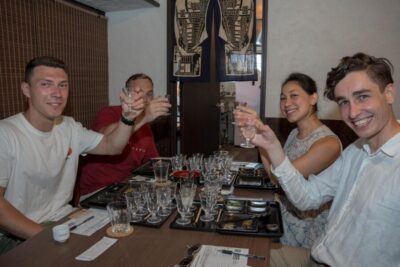
Sake gets much easier with good guidance. This two-hour Tokyo tasting puts seven Japan-exclusive sakes into a clear four-course progression, with certified sommeliers explaining what you are drinking and why it tastes that way. I like the small group of six, and I like the unusual tasting themes, including rice comparisons, five serving temperatures, spice and herb infusions, and different drinking vessels.
I also like the setting: a designer tasting room built around a beautiful Showa-era wood table. Guides such as Eric, Aaron, Frank, and Phillip have been praised for making the session friendly and easy to follow, even for first-time sake drinkers. The main caution is simple: unlimited refills can add up quickly, so you should eat beforehand and pace yourself.
Key points to know before booking
- Seven sakes, four themed courses: You taste a broad range of styles instead of receiving seven unrelated pours.
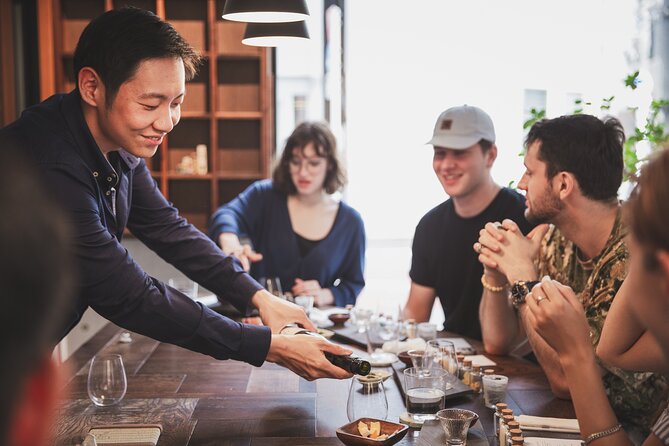
- Small groups of six: The format gives you room to ask questions and speak directly with the sommeliers.
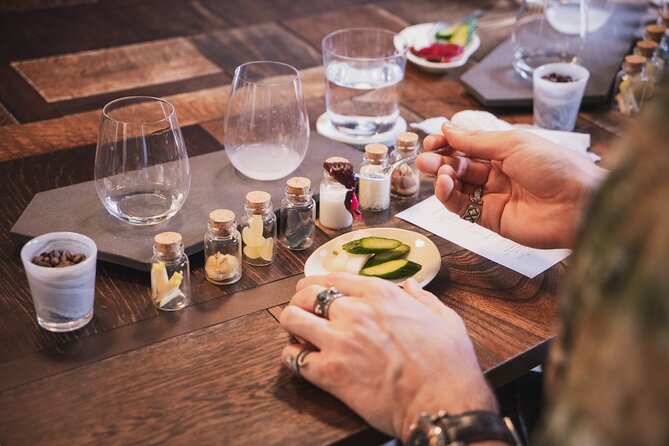
- Sake served in different ways: Temperature, food, vessels, rice, and infusions all show how much one drink can change.
- Native English-speaking hosts: Guidance is available in English, Japanese, and Chinese.
- Small bites are included: Pickles, cheeses, cured meats, and dessert help balance the alcohol.
- Central Tokyo location: The meeting point is Linden House, 1-9-9 Kanda Ogawamachi, Chiyoda City.
Why this Tokyo sake tasting is worth your time
Tokyo has no shortage of sake bars, but ordering a drink on your own can leave you guessing. You may recognize a label, notice a dry or sweet taste, and then move on without learning what shaped it. This experience gives you a framework for understanding those differences.
You pay $79.52 per person for about two hours. That price includes seven sake varieties, free-flow pours during the four courses, food pairings, and instruction from certified sommeliers. For someone who wants more than a quick glass at dinner, the cost is reasonable, especially because the teaching is built into the tasting rather than added as an afterthought.
The format also saves you from having to choose bottles blindly. The selection is made for comparison, so you can notice how rice, temperature, serving style, and food affect the taste. That is useful knowledge you can carry into the rest of your Japan trip.
I would not book this simply to get drunk cheaply. The value comes from the guided progression. If you treat it as an educational meal with alcohol, the price makes better sense.
More Sake Tastings in Tokyo
- Best of Shinjuku: Izakaya Food Tour (4 Stops, 14+ Tastings)
★ 5.0 · 1,863 reviews - Tokyo: Shinjuku Local Bar and Izakaya Guided Walking Tour
★ 4.9 · 1,794 reviews - Tokyo: Shinjuku Local Bar & Izakaya Crawl Tour
★ 5.0 · 890 reviews
Arriving at Linden House in Kanda Ogawamachi
The meeting point is Linden House at 1-9-9 Kanda Ogawamachi in Chiyoda City, Tokyo. The location is near public transportation, but transportation to and from the activity is not included, so you need to make your own way there.
The experience ends back at the same meeting point. That is convenient for planning, since you do not need to arrange a pickup or figure out where the session finishes. You can also pair it with other plans in central Tokyo, though I would avoid scheduling something that requires sharp concentration afterward.
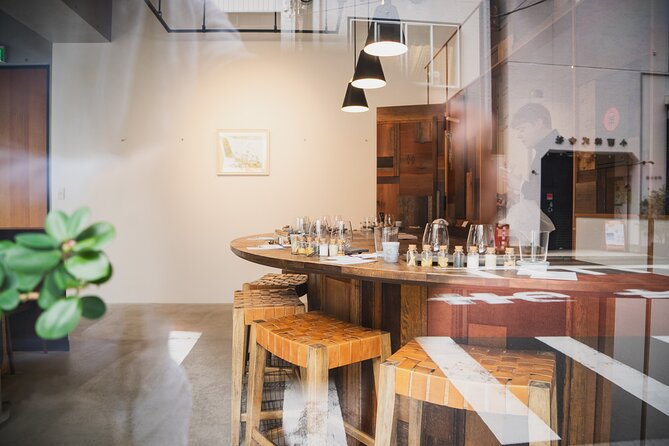
The room itself is part of the appeal. It is designed around a reclaimed wood table from a Showa-era building, giving the tasting a sense of place without turning it into a formal museum-style presentation. The setting sounds polished, but the tone is meant to be relaxed and social.
Group size matters here. The maximum is six people, which is small enough for direct conversation. You are not likely to sit silently while a guide speaks to a large crowd. You can ask about a flavor you dislike, compare impressions with the people at the table, and get advice based on your own palate.
Four courses that give the tasting a clear shape
The four-course structure is the heart of the experience. You are not simply handed seven glasses in a row. Each stage has a different purpose, and the food helps you see how sake behaves in real drinking situations.
The exact order may vary with the selection, but the listed themes give you a good idea of what to expect.
Rice comparisons
The first course may focus on rice, one of the basic building blocks of sake. Comparing sake made with different rice characteristics helps explain why two bottles can feel so different even when both are served cold.
This is useful if you are new to sake. You do not need to memorize technical terms. You can simply notice whether one drink feels lighter, fuller, cleaner, more fragrant, or more rounded than another.
Small bites such as pickles, cheese, or cured meats may help sharpen those differences. Food also makes the lesson practical. You are learning not only what you like on its own, but what might work at a Japanese meal or with familiar Western foods.
More sake tastings around Tokyo:
- Shibuya: Local Bar & Izakaya Crawl
★ 4.9 · 354 reviews - Ramen and Sushi Cooking Class with Sake Pairing Set in Tokyo
★ 5.0 · 291 reviews - Sake Tasting Masterclass in Shinjuku (8+ Varieties with a Pro)
★ 5.0 · 271 reviews - Tokyo: The Best of Izakaya in Shinjuku Food & Cultural Tour
★ 4.9 · 221 reviews
Five serving temperatures
Temperature can change sake more than many first-time drinkers expect. A sake served cold may seem crisp and bright, while the same style at a warmer temperature can show more body or a softer aroma.
This course gives you a chance to test that idea directly. It is a strong reason to choose a guided session rather than a standard bar visit, where you may receive one temperature without being told what else to try.
The comparison also helps you order later. If you prefer a cleaner, cooler style, you can say so. If you like a warmer, fuller expression, the sommelier can point you toward that kind of pour.
Spice and herb infusions
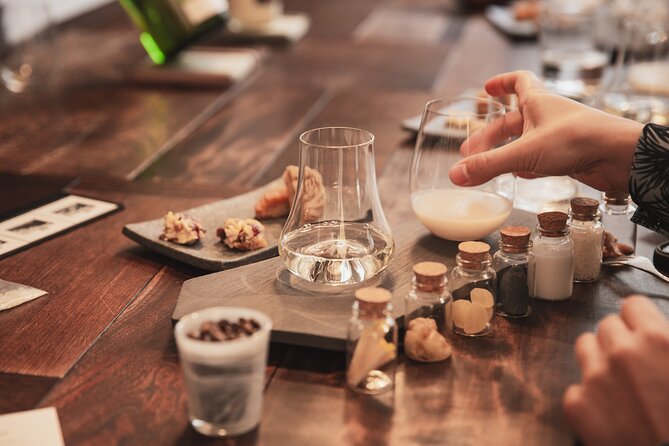
Infusions add another layer. The sake remains the central drink, but herbs and spices can alter aroma and finish. This is an accessible way to see how small changes affect perception.
You do not need to be an expert to take part. The guide can help you identify what changed, and you can decide if the added notes improve the drink for you. Some people will enjoy the playful side of this course. Others may prefer traditional sake without extra flavors.
That is one benefit of the tasting: you are allowed to discover dislikes as well as favorites. A good education does not require you to approve of every sample.
Drinking vessels
The final theme focuses on the vessel itself. Shape, size, and material can influence aroma and the way a drink reaches your mouth. Seeing sake served in different vessels makes a subtle point easier to understand.
This is also the kind of detail you might otherwise miss. In a restaurant, you may choose a glass because it looks attractive. Here, the choice becomes part of the lesson.
Together, the four themes turn the tasting into a set of small experiments. You compare, taste again, and ask questions. The structure keeps the two hours moving while giving you plenty of time to enjoy the food and conversation.
The sake selection and free-flow pours
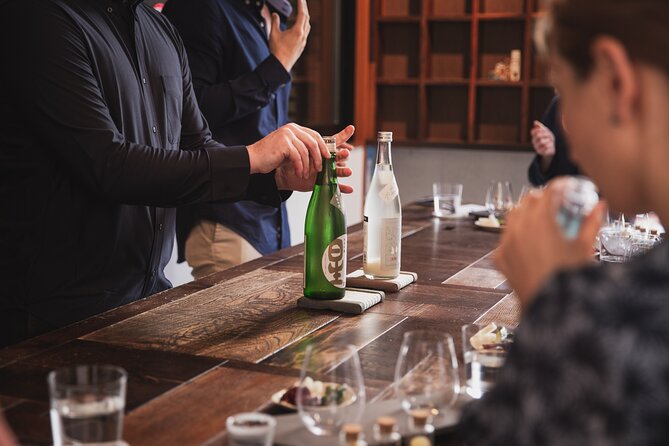
The tasting includes seven sommelier-selected sakes described as exclusive to Japan. That wording is important for visitors who want to try bottles they may not see at home, though the exact brands and labels can change.
You are not just sampling seven versions of the same flavor. The point is to explore a range of styles, brewing approaches, serving temperatures, and food matches. The guides explain sake making and help connect the technical side to what you taste in the glass.
Unlimited refills are included across the four courses. This sounds generous, but it also calls for care. Seven varieties and two hours can be a lot of alcohol, particularly if you arrive without eating. One of the most useful practical tips is to have a small meal beforehand, even though snacks are supplied during the session.
The alcohol allergy warning should be taken seriously. This is not an observation-only class. Alcoholic beverages are a central part of the activity, and you should not book if you have an alcohol allergy.
I also suggest treating the refill policy as an opportunity to revisit a favorite, not as a challenge to empty every bottle. Ask for a smaller pour if that option is available, take water breaks if offered, and focus on noticing the differences.
Small bites that make the lessons easier
The included food is simple but well chosen for a tasting. You receive small bites such as pickles, cheeses, cured meats, and dessert during the courses.
These are not presented as a full meal. Think of them as palate partners. A salty cured meat may make a sake seem rounder. A pickle may sharpen the contrast. Cheese can soften a strong edge, while dessert can show how sake handles sweetness.
The food also gives you a chance to reset between pours. That matters during a free-flow tasting, since sake can become tiring if every sample is taken on an empty stomach.
If you are hungry, eat before arriving. The snacks support the tasting, but you should not count on them to replace lunch or dinner.
The sommeliers make this friendly for beginners
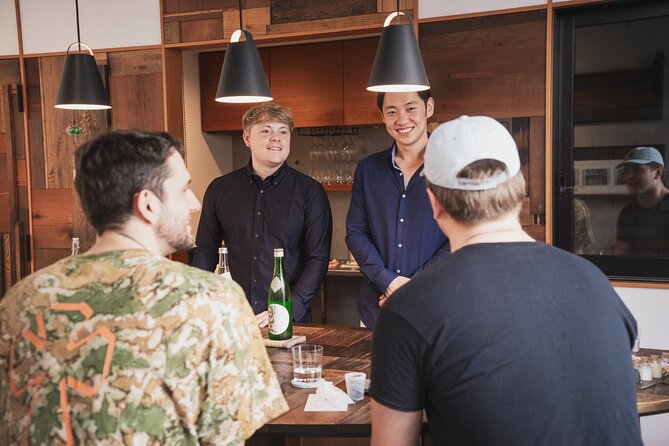
The guides are the main reason this works for people who know little about sake. They explain the drink in native English, Japanese, and Chinese, and the session is designed for questions.
Eric has been praised for being thorough and easygoing while explaining seven sake samples. Aaron and Frank have also been described as clear and welcoming, helping the group feel comfortable. Phillip and Aaron have been noted for explaining sake making and different sake types as the tasting moved through its stages.
Those details matter because sake vocabulary can become confusing fast. A guide who explains one idea, lets you taste, and then answers a direct question is more useful than someone who recites a long technical lecture.
You can ask what suits your palate, why you prefer one sample over another, or what to order later in Japan. The session is especially useful if you have tried sake once or twice but never understood why one bottle appealed to you and another did not.
The tone appears to be social rather than stiff. You may leave with new friends at the table, but that is not guaranteed. If you prefer a completely private tasting, the six-person format may feel more communal than personal.
Who will enjoy this most
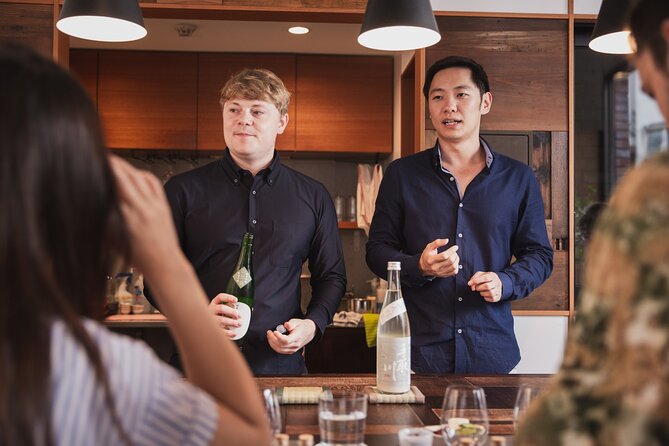
I would recommend this experience to several kinds of visitors:
- First-time sake drinkers: The comparison format makes unfamiliar flavors easier to understand.
- People already buying sake: You can learn language for describing what you like.
- Food-focused visitors: The pairings show how sake works with more than Japanese dishes.
- Couples and small groups: The table format encourages conversation.
- Solo visitors: A six-person session offers a natural way to meet people.
- Repeat Tokyo visitors: This provides a focused cultural activity beyond the usual sightseeing route.
It is less suitable if you dislike alcohol, want a full meal, or prefer to choose every drink yourself. It is also not ideal for anyone looking for a short, casual tasting with no instruction.
Most people can participate, and the activity is near public transportation. Confirmation is provided at booking. Free cancellation is available up to 24 hours before the start time for a full refund. Changes or cancellations inside that window are not accepted, and the activity requires a minimum number of participants, so a cancellation by the operator may lead to another date, another experience, or a full refund.
Is $79.52 a fair price?
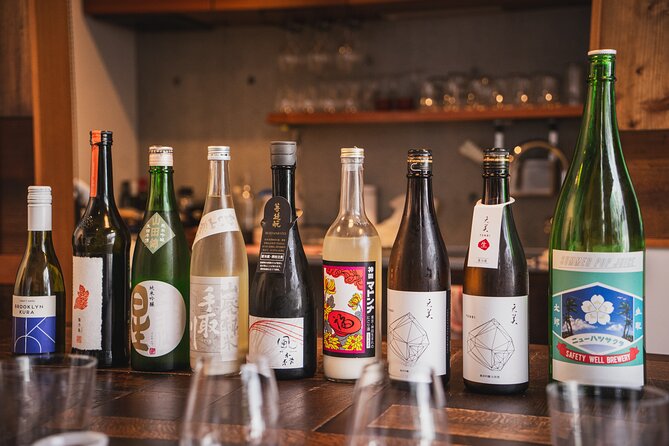
At $79.52, this is not the cheapest way to drink sake in Tokyo. You could order a few glasses at a bar for less, especially if you skip food and instruction.
But that comparison misses the purpose. Here, your fee covers seven sake varieties, unlimited refills, four planned tasting stages, small bites, a designer room, and access to certified sommeliers. You are paying for context and comparison, not only liquid.
The strongest value comes from the chance to taste the same general drink in different conditions. Temperature, vessel, food, rice, and infusions are difficult to compare on your own without ordering far more than seven pours.
For a visitor who wants a better understanding of sake, I consider the price fair. For someone who only wants a drink before dinner, it is probably more than necessary.
Should you book this sake omakase?
Book it if you want a friendly, focused introduction to sake and enjoy learning through tasting. The small group, English-speaking sommeliers, Japan-only selections, and four-course structure give you more than a standard bar stop.
I would make this a planned part of your Tokyo schedule, not a last-minute add-on after a large night out. Eat first, pace yourself, and leave enough time to enjoy the explanations. If you do that, this can become one of the more useful food and drink experiences in central Tokyo.
Skip it if you have an alcohol allergy, need a full meal, or dislike group activities. Otherwise, the combination of seven sakes, thoughtful pairings, and approachable instruction makes this a strong choice for both beginners and sake fans.
FAQ
How long does the sake tasting last?
The experience lasts approximately two hours.
How many sake varieties are included?
Seven sake varieties are included, served in a progression of four themed courses.
Are refills included?
Yes. The seven selected sakes are served with unlimited refills during the experience.
What food is provided?
Small bites are included, including pickles, cheeses, cured meats, and dessert.
Where does the experience begin and end?
It begins and ends at Linden House, 1-9-9 Kanda Ogawamachi, Chiyoda City, Tokyo 101-0052, Japan.
How many people can join?
The activity has a maximum of six participants.
Can I cancel for a full refund?
Yes, if you cancel at least 24 hours before the experience start time. Cancellations or changes made less than 24 hours before the start time are not refunded or accepted.
Just added around Tokyo
- Tokyo: Toshimaya Sake Brewery Tour with Sake Tasting★ 5.0 · 6 reviews
- Tokyo: Sushi Cooking Class with Sake Tasting★ 4.8 · 55 reviews
- Tokyo: The Best Izakaya Tour in Shibuya★ 4.7 · 15 reviews
- Tokyo: Shinjuku Izakaya and Golden Gai Bar Hopping Tour (2h)★ 4.9 · 67 reviews
- Tokyo: Shinjuku Nightlife Tour with Karaoke and Bar Hopping★ 4.1 · 4 reviews
- Tokyo: Sushi and Ramen Cooking Class with Sake Pairing Set★ 5.0 · 81 reviews
- Tokyo: Shinjuku Hidden Japanese Bar Tour (Neon Light City)★ 5.0 · 4 reviews
- Tokyo: Shinjuku Golden Gai Bar Hopping that only locals know★ 5.0 · 5 reviews
Sake Tasting, compared.
Best of Shinjuku: Izakaya Food Tour (4 Stops, 14+ Tastings)
Read our review →
Shinjuku Local Bar and Izakaya Guided Walking Tour
Read our review →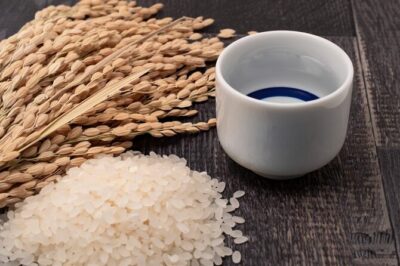
1-Day Snow Monkeys, Zenko-ji Temple & Sake in Nagano
Read our review →
3-Hour Kyoto Insider Sake Brewery Tour with Tastings & Pairings
Read our review →

Nagano: Snow Monkeys, Zenkoji Temple & Sake Day Trip
Read our review →
Insider Sake Brewery Tour with Sake and Food Pairing
Read our review →Browse the lists this tour appears in