
REVIEW · KYOTO BOOZY TOURS
Kyoto: Beyond the Insider Sake Tasting Experience
Sake gets far more interesting after the first sip. This Kyoto tasting goes beyond familiar styles, pairing 10 unusual varieties with clear explanations of how rice, microbes, wood, and brewing methods shape the final drink. It is built for both newcomers and serious sake drinkers.
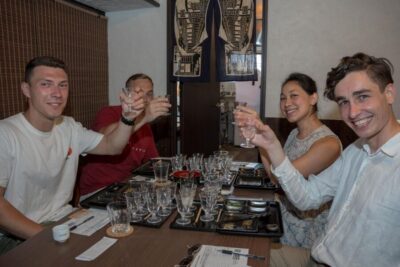
I like the private tasting room, which gives the session a focused setting, and I like the certified sake sommelier guides, who explain production without assuming you already speak sake. The main consideration is simple: this is a tasting and lesson, not a food-pairing event, and transportation is not included.
I would choose this experience after taking a basic sake course, but you do not need prior knowledge to enjoy it. The session still covers the fundamentals, then moves into styles that are rarely found outside Japan.
Key points at a glance
- Ten uncommon sakes: The selection focuses on bottles rarely seen overseas, not just standard exports.
- Ancient brewing methods: You taste sake made with techniques different from modern production.
- Microorganism-led styles: One part of the tasting shows how new approaches use microorganisms to create different flavors.
- Local wood brewing: Sake made with regional wood offers a taste linked to its place of production.
- Certified sommelier guidance: The guide explains ingredients, categories, and brewing choices in English.
- Private tasting room: You can concentrate on the samples and discussion without the noise of a busy bar.
Why this tasting is different from a basic sake course

A standard introduction to sake usually teaches you how the drink is made, what the main categories mean, and how to identify broad differences in aroma and taste. This experience includes those basics, but its main purpose is to show how far sake can go once brewers change the rules.
The 10 samples are selected to represent unusual ideas rather than a simple ladder from light to full-bodied. You may taste sake made through older techniques, products that use microorganisms in newer ways, and sake brewed with local wood. That makes the tasting useful for understanding why two bottles can taste so different, not just which one you prefer.
I like this approach because sake can seem mysterious when you only see labels and categories. Here, the brewing process becomes the organizing idea. Rice matters, but so do the treatment of the rice, the brewing method, the organisms involved, and the materials used around the brew.
The session also works if you are starting from zero. The guide explains the basic production process and the main sake categories before moving into less familiar territory. You will not need to know the difference between styles before arriving, though some preparation will help you get more from the discussion.
More Sake Tastings in Kyoto
- 3-Hour Kyoto Insider Sake Brewery Tour with Tastings & Pairings
★ 5.0 · 917 reviews - Kyoto: Izakaya Bars Guided Walking Tour
★ 4.9 · 815 reviews - Kyoto: Insider Sake Brewery Tour with Sake and Food Pairing
★ 5.0 · 704 reviews
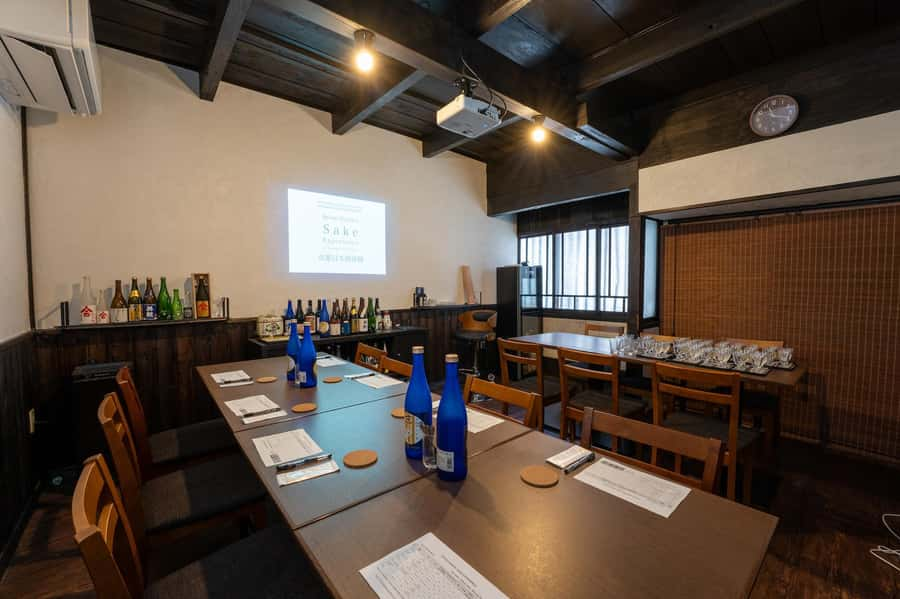
Entering the private Kyoto tasting room
The meeting point is the Kyoto Insider Sake Experience location, and the activity ends there. There is no transportation between stops because this is a seated tasting rather than a brewery-hopping tour.
The private room is an important part of the experience. Sake is best understood when you can hear how it was made and compare it carefully with the next sample. A dedicated space keeps the focus on the glass, the tasting note, and the guide’s explanation.
That setting may feel more like a lesson than a casual evening out. If you want a lively bar crawl or a meal with drinks, this is not the right format. If you want time to pay attention, ask questions, and notice differences between samples, the room is a real advantage.
Bring your full attention, and arrive early. If you are more than 10 minutes late, the booking is canceled, with no indication that the tasting can be held for delayed arrivals.
Ten sakes that show how brewing changes flavor
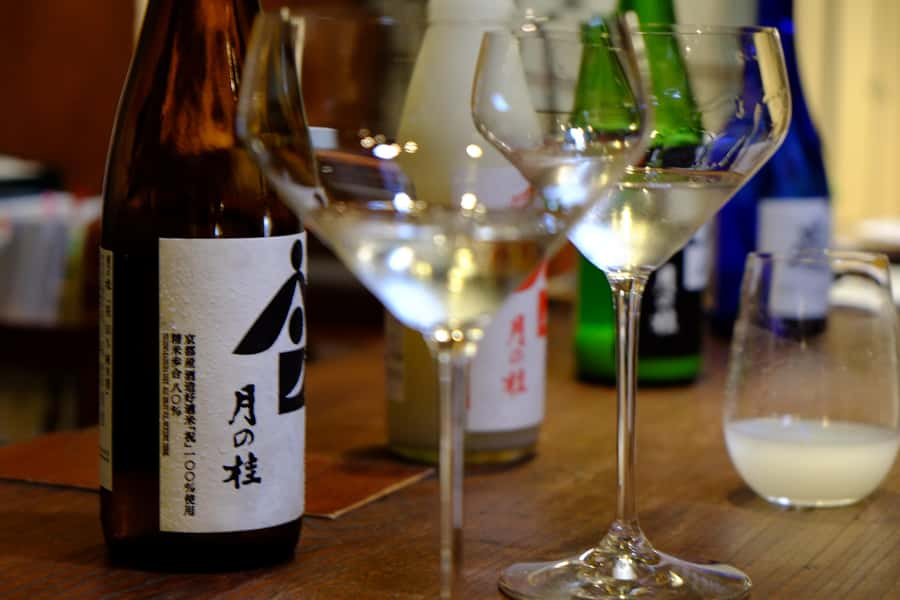
The heart of the experience is the tasting of 10 sake varieties chosen by the sommelier. The exact bottles can change, so you should think of the selection as a lesson in brewing possibilities rather than a fixed menu.
Sake made with older methods
The first unusual group looks at ancient brewing methods that differ from modern production. These techniques matter because they can produce flavors and textures that are not common in everyday exported sake.
For a beginner, this is a helpful reminder that sake is not one uniform drink. You may notice a contrast between the clean, polished style often associated with modern sake and something more marked by the method itself. The point is not to decide that old is better. It is to see how production choices leave a clear mark in the glass.
For an experienced drinker, this section offers a reason to pay close attention. A familiar category label does not tell you everything. The same broad type of sake can feel very different when the brewer uses an older process.
More sake tastings around Kyoto:
- Kyoto Sake Brewery & Tasting Walking Tour
★ 5.0 · 623 reviews - 1.5-Hour Kyoto Insider Sake Experience with 7 Tastings & Pairings
★ 5.0 · 297 reviews - Kyoto: Insider Sake Experience with 7 Tastings and Snacks
★ 5.0 · 266 reviews - Kyoto: Afternoon Japanese Izakaya Cooking Class
★ 4.9 · 241 reviews
Sake shaped by microorganisms
Another part of the tasting presents newer sake made using the characteristics of microorganisms. This may be the most useful section for anyone who thinks sake production is entirely traditional.
Microorganisms already play an important role in fermentation, but the experience focuses on how brewers can use them to create new results. You are not simply sampling a novelty. You are comparing the effect of a production choice and seeing how technical changes can alter aroma, taste, and overall character.
This is also where the session connects tradition with current sake trends. The guide can place newer ideas beside older methods, helping you understand that sake culture is still changing. Those trends are not always visible in overseas shops, which gives this tasting a strong reason to be done in Kyoto.
Sake brewed with local wood
The third special idea is sake brewed using local wood. This gives the drink a character tied to the region, rather than relying only on rice and fermentation to define it.
The local wood sample is especially useful for anyone interested in the relationship between a drink and its place. The wood becomes part of the brewing story, and the result can help you think about sake in the same way you might think about a regional wine or a local beer.
Do not expect every sample to become a personal favorite. That is not a flaw in a tasting like this. Some unusual styles may seem challenging, but they help you identify what you enjoy and give you a better vocabulary for ordering sake later.
How the sommelier makes 10 samples manageable
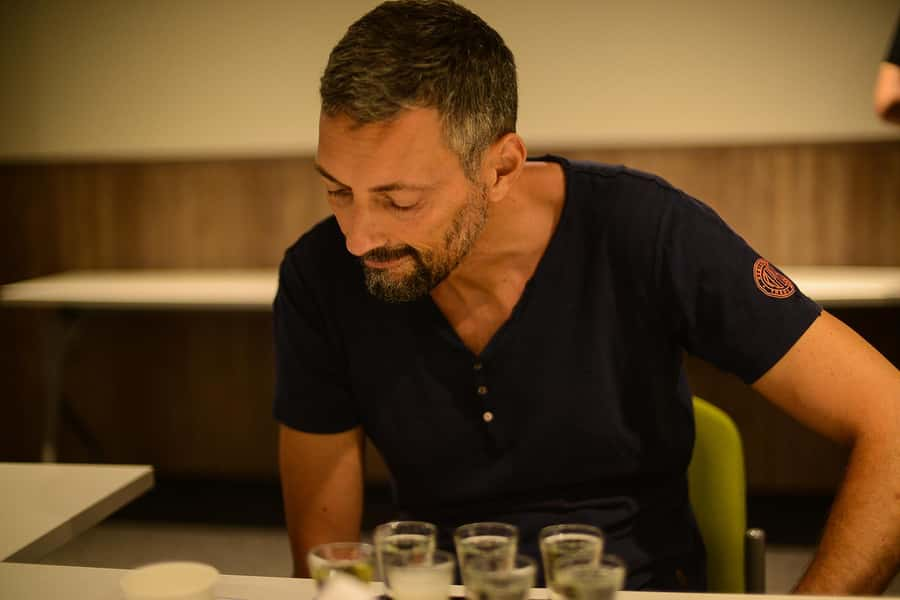
Ten samples can sound like a lot, especially if you are new to sake. The tasting note helps you keep track of what you have tried, while the certified sake sommelier provides the structure that prevents the session from becoming a random series of pours.
A good tasting guide does more than name the drink. The useful information is the connection between ingredient, technique, and taste. Here, the guide covers the important ingredients in sake making, explains the categories, and then shows how less familiar brewing choices produce different results.
I would use the tasting note actively. Write down the samples you prefer, but also note what caused the reaction. Did you enjoy a style because it was clean, unusual, earthy, smooth, or simply easier to drink? That distinction will help when you shop for sake later.
The guide’s job is also to make the session friendly to mixed groups. One person may arrive eager to compare rare styles, while another may never have tasted sake before. Since the basics are included, both can follow the discussion without the experienced drinker having to sit through a completely elementary lesson.
What the experience teaches about sake categories
Sake categories can be confusing because labels often combine several kinds of information. A bottle may tell you about polishing, brewing style, sweetness, acidity, or serving preferences, but a label alone cannot always explain the full drinking experience.
This tasting gives you a practical framework. You learn the basic production process first, then see how different methods affect the finished drink. That order matters. Without the foundation, ancient techniques or microorganism-based production might sound like isolated facts.
The tasting also shows why overseas selections can give you an incomplete picture of sake. Many distinctive Japanese bottles do not travel widely, and some styles are easier to understand in the context of local brewing traditions. The 10 samples are chosen to expose you to trends and methods you might not find at home.
I would not treat the session as a test of whether you can identify every category correctly. Treat it as a way to become a more confident drinker. By the end, you should have a better sense of what questions to ask and what details to look for.
What is not included, and why it matters
The $66 price covers the 10 sake samples, tasting note, certified sommelier guide, and use of the private tasting room. Food pairing is not included.
That last point deserves attention. Alcohol on an empty stomach can make a tasting less comfortable, and the experience does not promise snacks or a meal. Plan your food before or after the session rather than assuming the tasting will function as dinner.
The price is reasonable if you want a structured lesson and access to unusual samples. Ten pours give you a broad comparison, and the private room plus expert explanation adds more value than buying a single bottle at a shop. It is less compelling if you mainly want a quick drink and do not care about production methods.
You should also budget for getting to the meeting point and returning afterward. Transportation to and from attractions, as well as hotel pickup and drop-off, is not included.
Who should book this Kyoto sake experience?
This is a strong choice for several kinds of participants:
- First-time sake drinkers who want a clear introduction without feeling out of place.
- Experienced sake fans who want to try styles rarely sold overseas.
- Couples or small groups with different levels of interest, since the course covers the basics and unusual techniques.
- Food and drink travelers who want to understand how local production choices shape flavor.
- Repeat visitors to Kyoto looking for an indoor cultural activity with a clear focus.
It is less suitable for children, pregnant women, and anyone under 19. Japan’s legal drinking age is 20, and people under 20 receive non-alcoholic drinks only. The experience also states that it is not suitable for people under 19, so families should check the age rules carefully before booking.
You cannot drink alcohol on the tour if you arrive by car or bicycle, for safety and legal reasons. Non-alcoholic drinks are available, but no refund is provided if that prevents you from taking part in the sake tasting. In practical terms, walk, use public transportation, or arrange a taxi.
Anyone without a reservation cannot join, including children and non-drinkers. This is worth remembering if you are planning a group outing and one person intends to sit in without tasting.
How it compares with the beginner experience
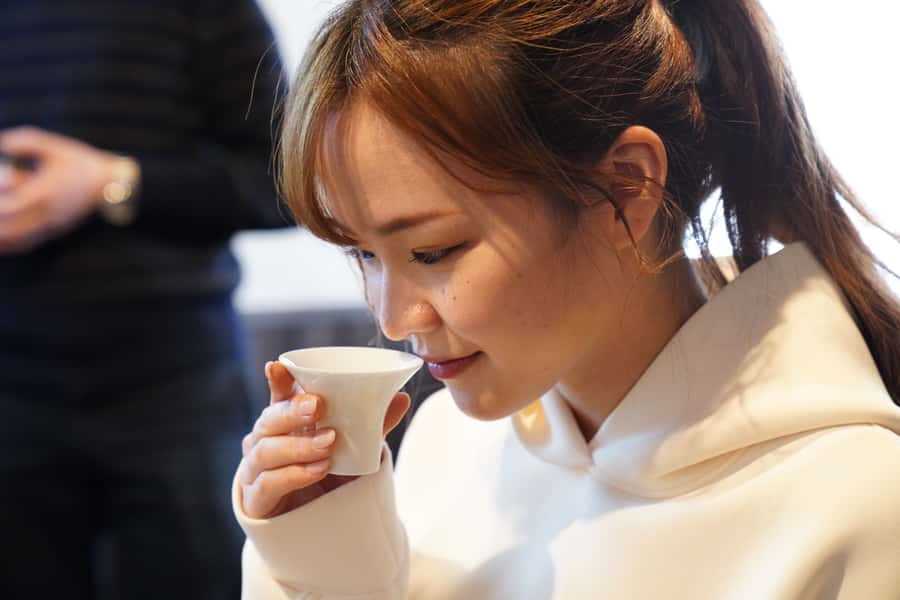
The best way to think about this course is as the more unusual companion to a basic sake experience. It still explains the fundamentals, but it gives more attention to methods and trends that are not widely known abroad.
If this is your first sake activity, you can book it directly. You will not be lost, since the guide covers production and categories. Still, if you have the time and want a step-by-step introduction, starting with the beginner course and returning for this one would create a fuller learning path.
That sequence is particularly useful if you want to remember the differences between the samples. The basic course can give you a reference point, while this experience shows how ancient methods, microorganisms, and local wood push sake in new directions.
If you only have room for one tasting, choose based on your goal. Pick the basic course if you want the simplest introduction. Pick this one if you already know you enjoy sake or if unusual brewing methods are the part that interests you most.
Practical details to plan before booking
The language is English, and the experience starts and ends at the same Kyoto meeting point. There is no hotel pickup, so allow enough time to reach the location before the strict 10-minute late limit.
The tasting is not designed for drop-in attendance. Every participant, including children and non-drinkers, needs a reservation. This protects the private-room format and ensures the guide knows how many people are attending.
Cancellation is allowed up to seven days in advance for a full refund. Keep that deadline in mind because the late-arrival rule is strict and alcohol restrictions can affect participation.
The overall rating is 5 from 30 reviews, and the strongest praise centers on the presentation, the clear production explanations, the range of sake, and the friendly guide. That matches the main strength of the experience: it is not merely a series of samples. It gives you a way to understand them.
Should you book it?
Book this experience if you want to taste beyond the usual exported sake and learn how brewing methods affect flavor. The 10-sample selection, private room, tasting note, and certified sommelier guidance make the $66 price good value for a focused sake lesson.
I would skip it if you want a full meal, a brewery visit, or a casual bar evening. For everyone else, especially anyone who enjoyed a basic sake course and wants stranger, more distinctive styles, this is one of the better ways to spend a few hours in Kyoto.
FAQ
How many kinds of sake are included?
The experience includes 10 kinds of sake selected by a certified sake sommelier.
Is this suitable for someone who has never tried sake?
Yes. The guide covers the basics of sake production and sake categories, so no previous sake experience is required.
What unusual sake styles are included?
The tasting may include sake made with ancient methods, sake using the characteristics of microorganisms, and sake brewed with local wood. The exact selection may vary.
Is food included?
No. Food pairing is not included in the price.
Can I drink alcohol if I arrive by car or bicycle?
No. For safety and legal reasons, alcohol is not served to people who arrive by car or bicycle. Non-alcoholic drinks are available, but there is no refund if you cannot take part in the sake tasting.
What is the minimum drinking age?
The legal drinking age in Japan is 20. Participants under 20 receive non-alcoholic drinks only, and the experience is not suitable for people under 19.
Just added around Kyoto
- Private Sake Tasting in Central Kyoto with Sake Sommelier★ 5.0 · 13 reviews
- Kyoto: Gion Evening Walk with Hidden Gems, Geisha & Sake★ 5.0 · 41 reviews
- Kyoto: Izakaya Nightlife Tour with Local Guide★ 5.0 · 4 reviews
- Kyoto: Foodie Night Tour in Gion with 9 dishes + 6 Sake★ 4.4 · 26 reviews
- Kyoto Sake Brewery Tour★ 3.3 · 5 reviews
- Kyoto: Newly Opened Sake Tasting – Sanjo Chasuian★ 5.0 · 7 reviews
- Kyoto: Izakaya Food Tour with Local Guide★ 5.0 · 4 reviews
- Kyoto: Fushimi Sake District Tour with Boat Ride★ 4.6 · 10 reviews
Sake Tasting, compared.
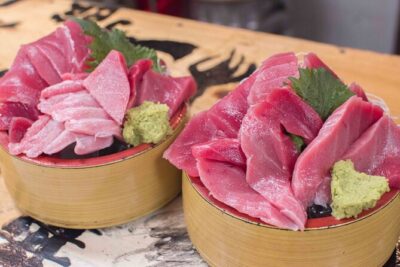
Best of Shinjuku: Izakaya Food Tour (4 Stops, 14+ Tastings)
Read our review →
Shinjuku Local Bar and Izakaya Guided Walking Tour
Read our review →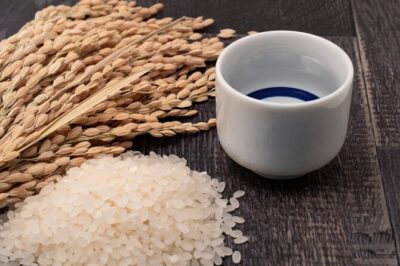
1-Day Snow Monkeys, Zenko-ji Temple & Sake in Nagano
Read our review →
3-Hour Kyoto Insider Sake Brewery Tour with Tastings & Pairings
Read our review →

Nagano: Snow Monkeys, Zenkoji Temple & Sake Day Trip
Read our review →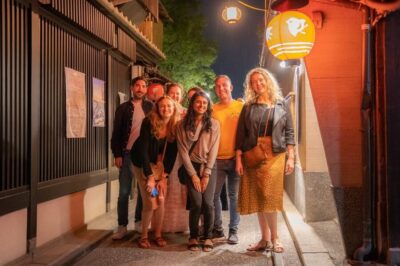
Insider Sake Brewery Tour with Sake and Food Pairing
Read our review →Browse the lists this tour appears in