
REVIEW · KYOTO BOOZY TOURS
Kyoto: Insider Sake Experience with 7 Tastings and Snacks
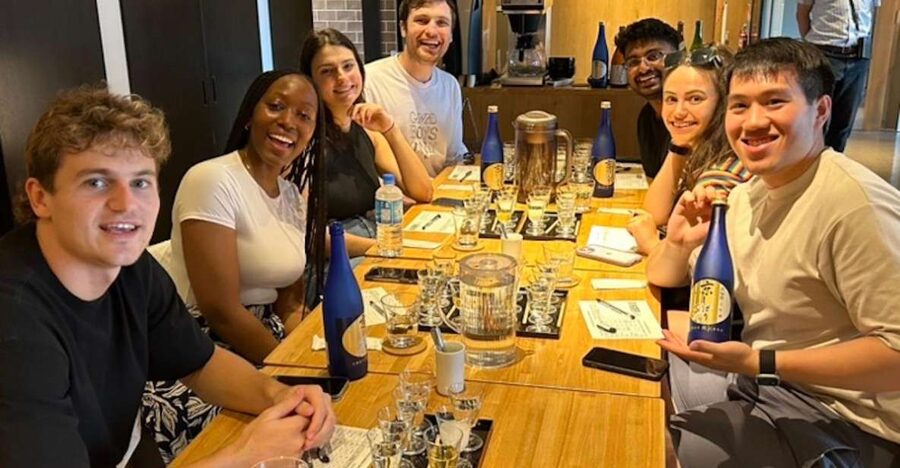
Sake makes more sense after one good lesson. This 90-minute Kyoto tasting turns a confusing drink list into something you can actually use, with guided comparisons, Japanese snacks, and clear advice from an English-speaking sake expert. I especially like the side-by-side tasting and the practical bottle-reading exercise. One consideration: this is a tasting with small food pairings, not a full meal, so eat something beforehand.
The intimate tasting room keeps the focus on the drink rather than on sightseeing. I also like that the session covers hot and cold serving styles, sushi pairings, and personal taste, not just brewing theory. The main drawback is that alcohol is central to the experience, and anyone arriving by car or bicycle cannot take part in the sake tasting.
Key points at a glance
- Seven generous tastings: Compare sake styles from dry and crisp to sweet and fruity, with the provider selecting more than 10 possible types for the tasting program.
- A lesson you can use later: Learn how to read sake labels, understand polishing, and choose a bottle from a Japanese menu or shop.
- Food changes the flavor: Otsumami, or Japanese snack foods, show how the same sake can taste different with food.
- Friendly English instruction: Guides such as Mayo, Kotaro, Kiyomi, Greg, and Shogo are praised for clear explanations, humor, and patience.
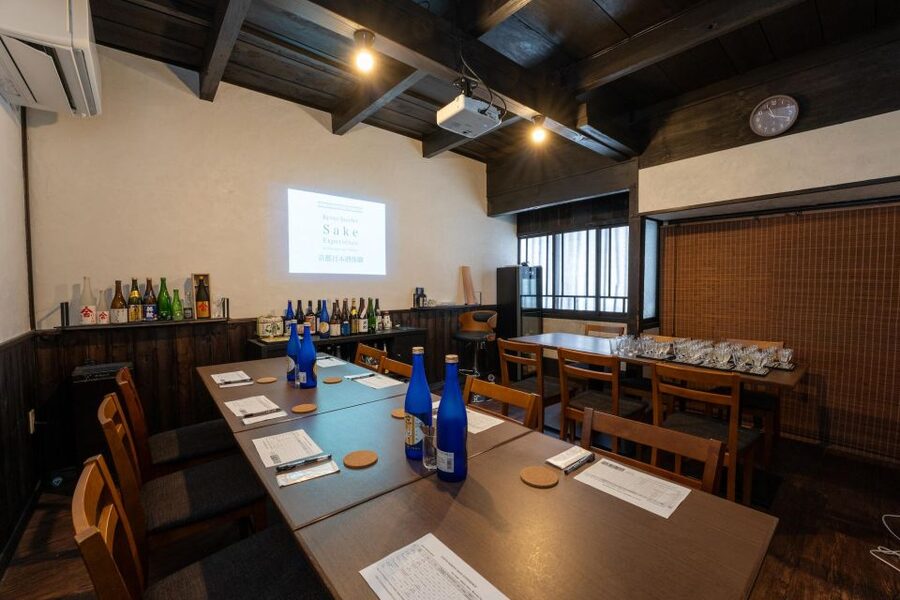
- Small, calm setting: The dedicated tasting room gives the session a relaxed feel, rather than the rushed pace of a bar flight.
- A sensible Kyoto activity: At $66 per person, the price includes instruction, seven tastings, snacks, a tasting note, and a sake cheat sheet.
Why this Kyoto sake class is useful
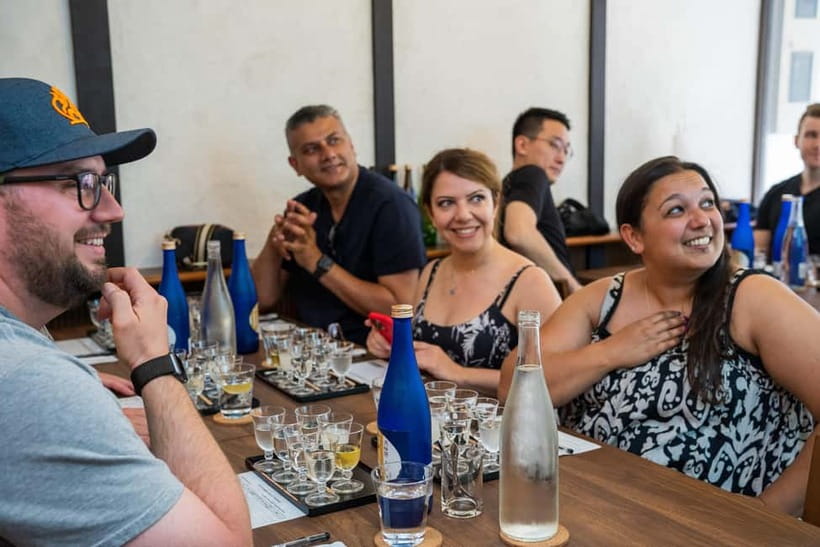
Sake menus can be intimidating. You may recognize the word sake, but not know what junmai, ginjo, daiginjo, nihonshu-do, or rice polishing means. A bottle may be expensive without matching your taste, and a restaurant menu may offer several choices with little explanation in English.
This experience gives you a working vocabulary. You learn what affects flavor, how sake is brewed, and how to spot useful information on a bottle. The goal is not to turn you into a sake brewer in 90 minutes. It is to help you make a better choice at dinner that same night.
I like the practical angle. The session does not treat sake as a precious subject that must be approached with ceremony. It explains the basics, then lets you taste the differences for yourself. That matters because the flavor terms become easier to remember after you have sampled dry, sweet, fruity, and more polished examples side by side.
The tasting is also designed for first-time drinkers. Several people who had little or no experience with sake found a style they liked. That makes this a better first step than ordering a random bottle and hoping for the best.
More Sake Tastings in Kyoto
- 3-Hour Kyoto Insider Sake Brewery Tour with Tastings & Pairings
★ 5.0 · 917 reviews - Kyoto: Izakaya Bars Guided Walking Tour
★ 4.9 · 815 reviews - Kyoto: Insider Sake Brewery Tour with Sake and Food Pairing
★ 5.0 · 704 reviews
Entering the dedicated tasting room
The meeting point is inside the provider’s own dedicated tasting room. When you arrive, speak with the staff at the counter. The room is described as warm, cozy, and easy to find, with a calm atmosphere that suits a lesson.
You do not come here for a walking tour of Kyoto. The experience takes place in one location, and transportation to or from other attractions is not included. One review praised the chance to enjoy the surrounding area, but the core activity is firmly seated education and tasting.
That is a strength if you have already spent the day visiting temples and want something focused. It is less suitable if you want an activity that moves through several Kyoto neighborhoods.
The session is in English, and the guides use an approachable teaching style. Mayo is often praised for humor and enthusiasm. Kotaro is described as friendly and clear. Kiyomi receives similar praise for her patience and lively explanations, while Greg is noted for taking care of the group and answering questions thoroughly.
Guide assignments can change, of course. The useful point is that the teaching is not built around a single personality. The program seems structured enough to work with different instructors, while still leaving room for conversation.
The opening lesson: how sake becomes sake
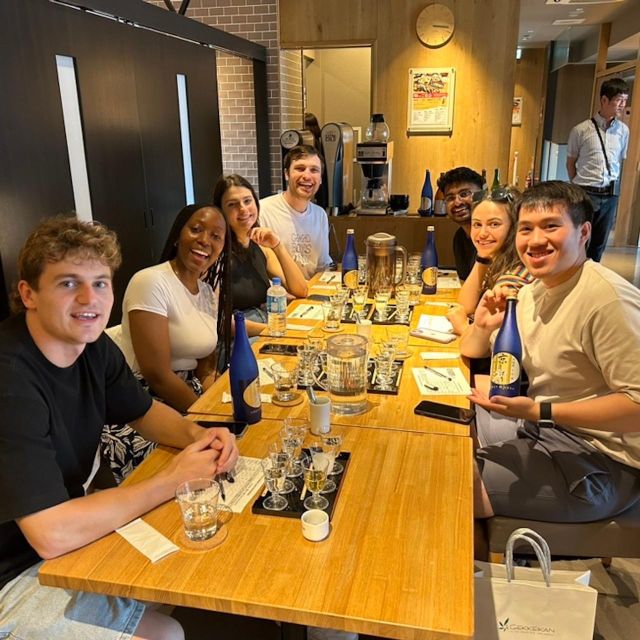
The first part explains the basic brewing process before the glasses arrive in earnest. You learn about the ingredients and the decisions that affect the finished drink, including how much the rice is polished.
Rice polishing is one of the clearest ideas in the class. The outer parts of the rice grain contain components that can produce heavier flavors, while greater polishing allows brewers to work with the starchy center. The class does not leave this as an abstract diagram. You may see physical examples of rice grains at different stages of refinement.
That visual aid gives the tasting a purpose. Instead of hearing that polishing affects flavor and then forgetting it, you can connect the production step with what is in your glass.
The lesson also covers regional differences and sake styles. The provider describes a selection of more than 10 types chosen by a certified sake sommelier, while the experience itself is presented as seven tastings. In practical terms, expect a flight of seven pours, with the available selection drawn from a broader set of sake.
The introduction is concise but substantial. One useful feature is the logical order: first understand how sake is made, then taste how those choices show up in the drink. You are not simply handed seven glasses and told to pick a favorite.
Seven tastings, from crisp to fruity
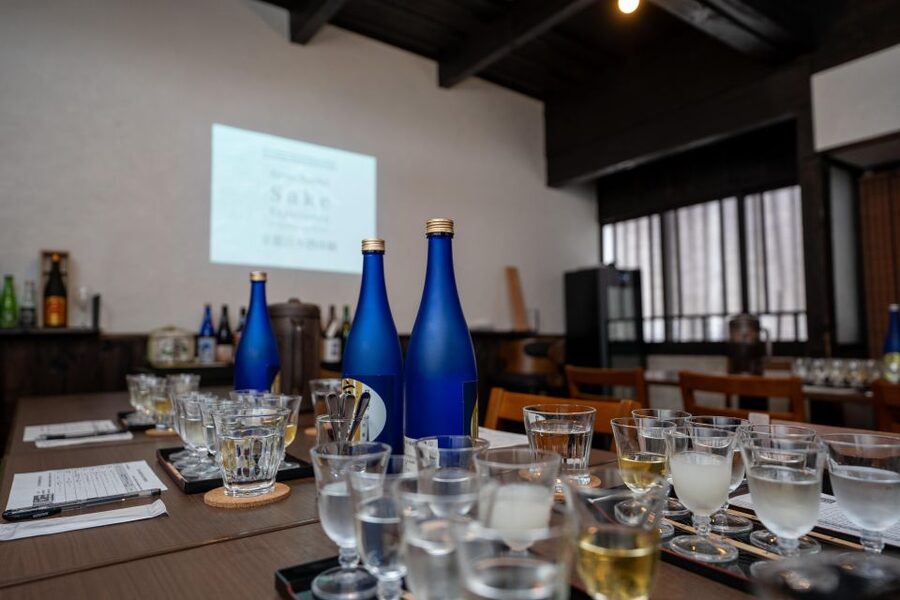
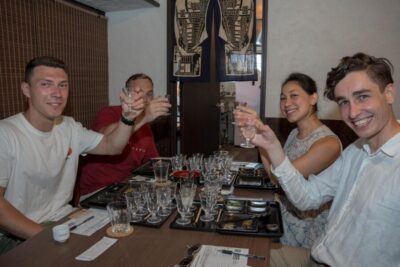
The tasting moves through different styles rather than offering seven near-identical samples. You compare sake that is dry and crisp with sake that is sweeter or more fruit-forward. The point is not to memorize every category. It is to notice what your own palate prefers.
I would keep the tasting note close at hand. It helps you record which sake you would drink on its own, which works better with food, and which styles you might order again. By the end, you should have a clearer idea of your own preferences, even if you cannot yet explain every brewing term.
The generous pours are another reason to pace yourself. A seven-sake flight can add up quickly, especially for someone who rarely drinks alcohol. The session is educational, but it is still alcohol. Take small sips and use the food pairing to slow the pace.
The class also helps correct a common assumption: sake is not one single flavor. Some samples may be clean and restrained, while others may smell or taste more aromatic, sweet, or fruity. A sake you dislike by itself may become more appealing with food.
That contrast is one of the most useful parts of the program. It gives you a better answer than simply asking if a sake is good. The better question is: good for what, and with which dish?
More sake tastings around Kyoto:
- Kyoto Sake Brewery & Tasting Walking Tour
★ 5.0 · 623 reviews - 1.5-Hour Kyoto Insider Sake Experience with 7 Tastings & Pairings
★ 5.0 · 297 reviews - Kyoto: Afternoon Japanese Izakaya Cooking Class
★ 4.9 · 241 reviews - Izakaya Style Cooking Class
★ 5.0 · 219 reviews
Otsumami and the food-pairing lesson
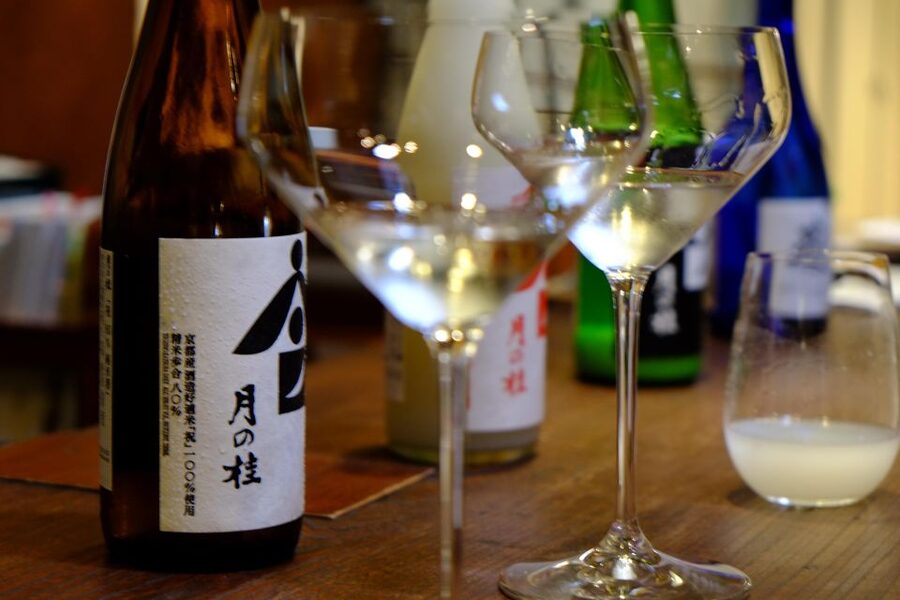
The snacks are called otsumami, a Japanese term for small foods enjoyed with drinks. They are not meant to replace lunch or dinner, but they are important to the lesson.
You first taste the sake on its own, then try it with the snacks. The change can be surprisingly clear. Salt, savory flavors, sweetness, and texture can make a sake seem softer, sharper, fuller, or more balanced.
Several dishes are used to show this effect, and the food is described as generous and well matched. One particularly enthusiastic response praised the teriyaki chicken, while vegetarian substitutions were easily arranged for people who requested them. You should tell the guide about allergies or food preferences when you arrive.
The pairing section is more than a pleasant extra. It helps you understand why a sake that seems ordinary by itself may be a good partner for sushi, grilled food, or other Japanese dishes. You also learn when a sake may work better as an aperitif or alongside snacks.
Do not arrive expecting a meal. A small meal before the session is sensible, especially if you are not used to tasting several alcoholic drinks. One person specifically advised eating beforehand, and that is practical advice.
Learning to read the bottle
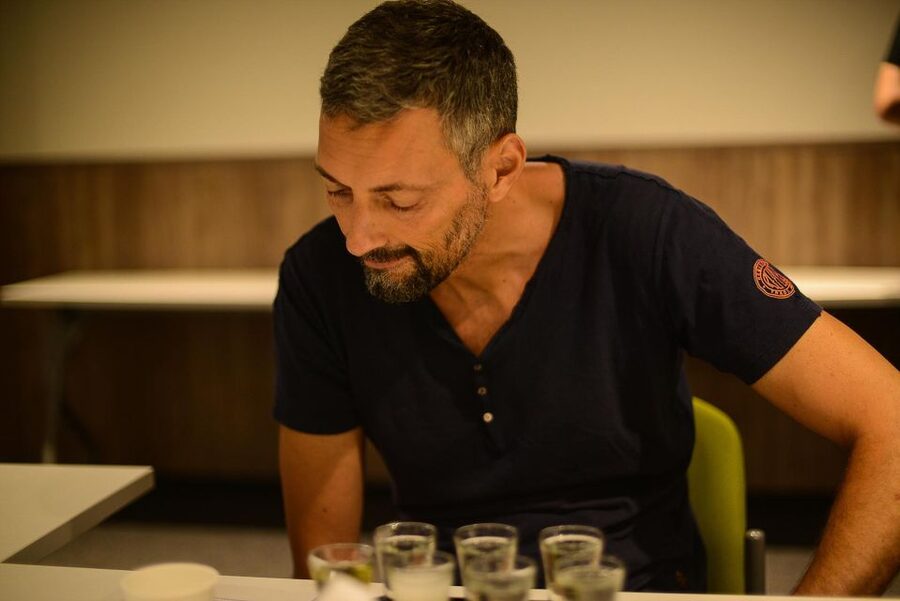
For many people, bottle reading is the best takeaway. You work through the information printed on sake bottles and learn which details can guide your choice.
This part is hands-on. One account describes each participant exploring a bottle to find the key information, rather than merely watching a lecture. That makes the lesson easier to recall when you are standing in a shop later.
You receive a sake cheat sheet and tasting note to take with you. These are modest items, but they add real value. After a long day of sightseeing, it is easy to forget a spoken explanation. A reference card gives you something to check when a restaurant menu presents unfamiliar terms.
The class also helps you separate useful information from marketing language. You learn to pay attention to style, polishing, sweetness, and other clues, then compare those clues with your own tasting notes.
I would not expect the sheet to answer every sake question. Japanese sake labels can still be detailed, and individual bottles vary. But it should make the first decision less of a guess.
Hot, cold, and pairing advice for later meals
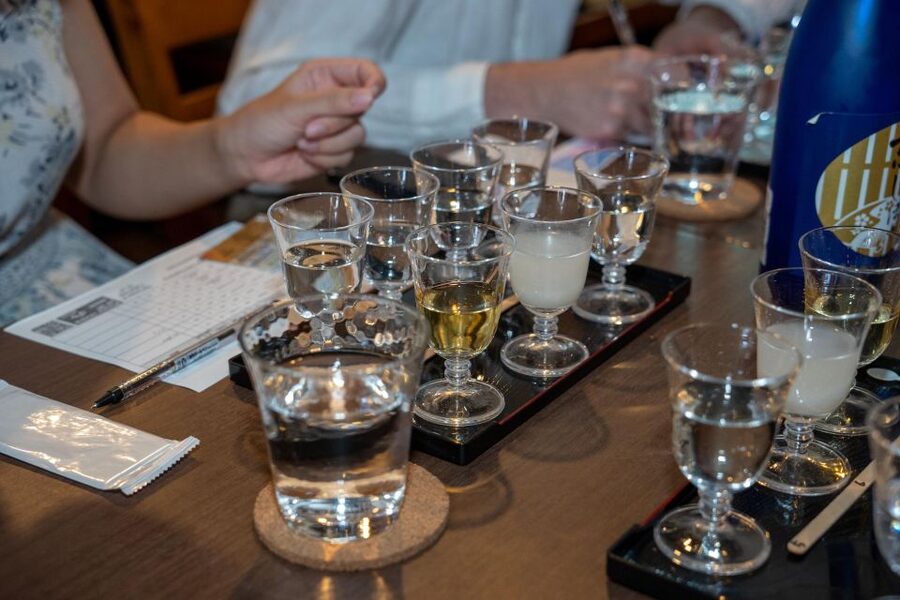
A good sake class should tell you how to enjoy the drink, not just how it is produced. This session explains that sake can be served hot or cold, depending on the style and the situation.
You learn that temperature can change what you notice. A chilled sake may show crisp or fruity notes, while warming can suit other styles and foods. The important lesson is not that one temperature is always correct. It is that you can ask for the serving style that best matches the bottle and meal.
The guide also covers food pairings, including which types may work with sushi. That advice is particularly helpful in Kyoto, where you may encounter sake in settings ranging from casual restaurants to more formal meals.
You will not leave with a rigid list of rules. You will leave with a few sensible questions to ask: Is this sake dry or sweet? Is it usually served chilled or warm? Does it suit delicate fish, richer food, or salty snacks?
Those questions can make ordering feel much less awkward.
How the $66 price holds up
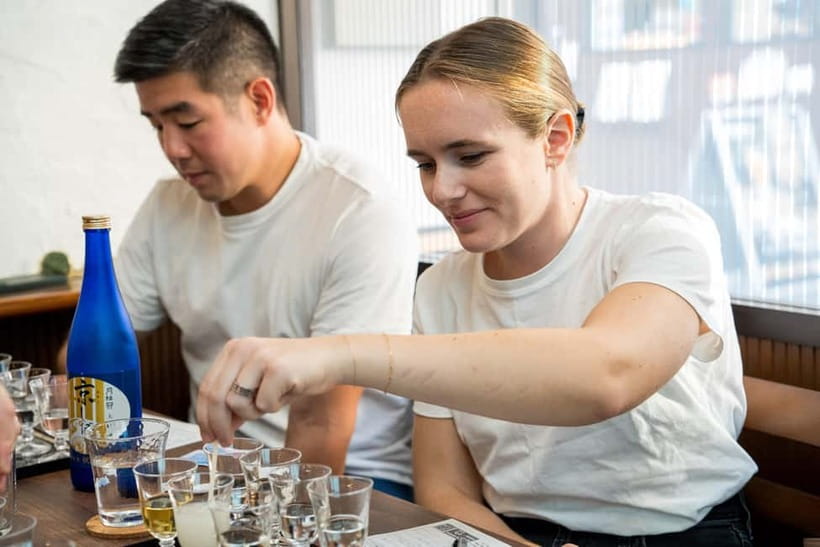
At $66 per person, the experience is not the cheapest way to drink sake in Kyoto. You could buy a bottle or a few glasses for less, especially outside the main tourist areas.
The value comes from the guidance. The fee includes a certified sake expert, seven tasting pours, Japanese appetizers, the tasting materials, and the dedicated room. You are paying to compare styles in a planned order and to understand what you are tasting.
That makes the price easier to justify for a first-time drinker or anyone who has tried sake but still chooses by guesswork. If you already have strong sake knowledge, the introductory material may feel basic. The provider appears to offer an advanced option, but that is a separate experience and not included here.
I see this as a useful early-trip activity. Take it before several special meals, and the information can improve your choices throughout the rest of your Japan visit. Take it at the end, and it becomes a pleasant final lesson, but you lose some of its practical benefit.
The duration is also well judged. Ninety minutes is long enough for explanation, tasting, and food pairing without turning into a half-day commitment. Keep your schedule realistic, though. If you are more than 20 minutes late, the booking is canceled.
Who should book this experience
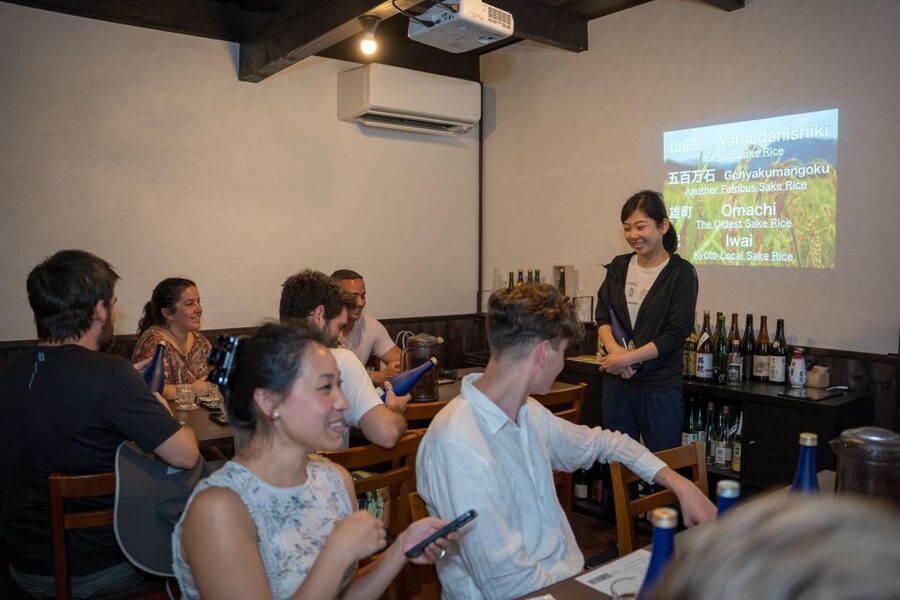
This is best for adults who want a clear introduction to sake without committing to a full technical course. It suits couples, friends, solo drinkers, and families with adult children, provided every participant has a reservation.
You do not need previous sake experience. In fact, beginners may gain the most because the tasting starts with basic brewing ideas and builds toward ordering advice.
It is also a good match for vegetarians, since substitutions have been accommodated. You should still mention preferences or allergies at the venue rather than assume every snack will be suitable.
This is not suitable for young children, pregnant people, or anyone who cannot drink alcohol. The legal drinking age in Japan is 20. People under 20 receive non-alcoholic drinks only, and the booking information also lists people under 19 as unsuitable.
The car and bicycle rule is especially important. For safety and legal reasons, anyone who arrives by car or bicycle will not be served alcohol. Non-alcoholic drinks may be available, but you should not book this expecting a refund if you cannot take part in the tasting.
Strong fragrances and bicycles are not allowed. The fragrance rule makes sense in a tasting room, where perfume can affect what you smell in the glass.
Practical booking advice for Kyoto
Reserve every person who plans to attend, including children and non-drinkers. Unregistered people cannot simply join at the door.
The activity offers free cancellation up to seven days before the scheduled time. Check the available start times when booking, since the 90-minute session runs at set times.
Wear a relaxed attitude and arrive ready to ask questions. The guides are praised for explaining things in plain English, and the small-group format can feel personal. You may be asked to compare your reactions with others, but you do not need expert vocabulary.
I would also leave room in your luggage plan. Some people were able to buy favorite bottles afterward. The experience can turn a vague interest into a very specific shopping list, so you may leave knowing exactly what style to look for.
Should you book the Kyoto Insider Sake Experience?
Book it if you want more than a quick drink. The strongest parts are the guided comparison of seven styles, the food pairing, and the bottle-reading practice. Those lessons stay useful after you leave the tasting room.
Skip it if you want a full meal, a brewery visit, or a walking tour through Kyoto. It is a focused indoor class, and the food is snack-sized.
For $66, I consider it a good buy for beginners and curious sake drinkers. You gain a better sense of your own taste, learn how to order with less hesitation, and get practical advice you can use at your next Japanese meal. Just eat beforehand, avoid arriving by car or bicycle, and treat the 90 minutes as a lesson with drinks, not drinks with a little explanation.
FAQ
How long does the Kyoto sake experience last?
The experience lasts 90 minutes.
How many sake samples are included?
The experience includes seven tastings. The provider also describes a wider selection of more than 10 sake types chosen by a certified sake sommelier.
Is the experience held in English?
Yes. The live guide leads the session in English.
Are food pairings included?
Yes. Traditional Japanese otsumami, or small appetizers, are included for pairing with the sake.
Can I request vegetarian food or mention allergies?
Yes. You should tell the guide at the site about food preferences or allergies. Vegetarian substitutions have been accommodated.
Can people under 20 drink sake during the experience?
No. Japan’s legal drinking age is 20. People under 20 are served non-alcoholic drinks only.
What happens if I arrive by car or bicycle?
For safety and legal reasons, alcohol will not be served to anyone who arrives by car or bicycle. Non-alcoholic drinks may be available, but there is no refund if you cannot take part in the sake tasting.
Just added around Kyoto
- Private Sake Tasting in Central Kyoto with Sake Sommelier★ 5.0 · 13 reviews
- Kyoto: Gion Evening Walk with Hidden Gems, Geisha & Sake★ 5.0 · 41 reviews
- Kyoto: Izakaya Nightlife Tour with Local Guide★ 5.0 · 4 reviews
- Kyoto: Foodie Night Tour in Gion with 9 dishes + 6 Sake★ 4.4 · 26 reviews
- Kyoto: Izakaya Food Tour with Local Guide★ 5.0 · 4 reviews
- Kyoto Sake Brewery Tour★ 3.3 · 5 reviews
- Kyoto: Newly Opened Sake Tasting – Sanjo Chasuian★ 5.0 · 7 reviews
- Kyoto: Fushimi Sake District Tour with Boat Ride★ 4.6 · 10 reviews
Sake Tasting, compared.
Best of Shinjuku: Izakaya Food Tour (4 Stops, 14+ Tastings)
Read our review →
Shinjuku Local Bar and Izakaya Guided Walking Tour
Read our review →
1-Day Snow Monkeys, Zenko-ji Temple & Sake in Nagano
Read our review →
3-Hour Kyoto Insider Sake Brewery Tour with Tastings & Pairings
Read our review →

Nagano: Snow Monkeys, Zenkoji Temple & Sake Day Trip
Read our review →
Insider Sake Brewery Tour with Sake and Food Pairing
Read our review →Browse the lists this tour appears in