
REVIEW · KYOTO BOOZY TOURS
Kyoto: Afternoon Japanese Izakaya Cooking Class
Kyoto tastes better from the cutting board. This three-hour Cooking Sun class gives you a friendly, hands-on look at Japanese home and izakaya cooking, with two cooking sessions and plenty of time to eat what you make. I like the easy-to-follow recipes and the warm, social style of the instruction. The only real caution is that the class moves at a brisk pace, especially when several dishes are on the menu.
I also like that this is not just a sushi lesson. You may work with dashi, mirin, familiar izakaya flavors, savory dishes, and dessert, then take the recipes home. The class costs $67 per person, which is fair for three hours of instruction, ingredients, equipment, food, and an apron. If you want a quiet demonstration, though, the group cooking and conversation may feel busy.
What makes this Kyoto cooking class worth your afternoon
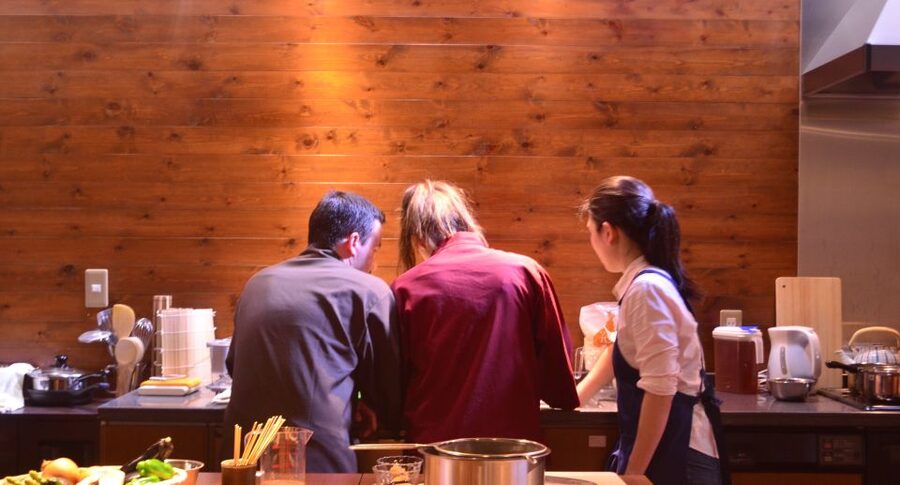
- Two cooking rounds: Prepare two or three dishes, eat together, then return to the kitchen for another two or three.
- More than sushi: The menu can include several savory Japanese dishes, okonomiyaki, dashi-based cooking, and dessert.
- Recipes you can repeat: Clear written recipes help you recreate the food at home.
- English instruction: Cooking Sun instructors teach in English and explain techniques in simple steps.
- Social izakaya style: You cook, eat, and talk with the chef instead of sitting through a formal demonstration.
- Good rainy-day choice: The indoor class gives you a useful break from temples and sightseeing.
Arriving at Cooking Sun in central Kyoto
The meeting point is Cooking Sun at Funayacho, Shimogyo Ward, Kyoto, 600-8466. The activity lasts three hours, and starting times vary, so check the available afternoon slot when you book.
This location suits a Kyoto sightseeing plan because the class fills part of the day without taking over the evening. You can schedule it between visits to temples, markets, or shopping areas, though you should allow enough time to reach Funayacho without rushing. The address is specific, but the supplied information does not include walking directions from a station, so use the exact address when planning your route.
The class is wheelchair accessible. That matters if you need an indoor activity with fewer physical demands than a full day of temple steps and long walks. You should still tell the supplier about any access needs when booking if you require a particular arrangement.
Cooking Sun presents the lesson in English. That makes a major difference in a cooking class, since small instructions about heat, texture, cutting, and timing can easily get lost through translation. Several instructors are named in the class feedback, including Yumi and Yumiko, and the teaching style is repeatedly described as friendly, patient, and clear.
More Sake Tastings in Kyoto
- 3-Hour Kyoto Insider Sake Brewery Tour with Tastings & Pairings
★ 5.0 · 917 reviews - Kyoto: Izakaya Bars Guided Walking Tour
★ 4.9 · 815 reviews - Kyoto: Insider Sake Brewery Tour with Sake and Food Pairing
★ 5.0 · 704 reviews
The first kitchen session: simple dishes, direct instruction
The class begins in the kitchen, where you cook two or three dishes with the chef. You receive ingredients, an apron, and utensils, then work through the recipes rather than simply watching someone else prepare the food.
I like this format because it gives you a quick start. You are not spending the first hour listening to a lecture on Japanese cuisine. Instead, the instructor can explain a technique while you use it, then correct small mistakes before they become dinner-sized mistakes.
The recipes are designed to be manageable for beginners. That does not mean the class is childish or thin on detail. One participant with decades of professional cooking experience still found useful things to learn, while people who rarely cook also found the instructions approachable. That range is a good sign for mixed groups and families.
You may learn the basics of Japanese flavor building, including ingredients such as dashi and mirin. One particularly useful detail is the chance to make dashi broth from the basics. That gives you a better sense of why many Japanese dishes taste savory and rounded without relying on heavy sauces.
The food is not limited to the most familiar dishes. Okonomiyaki has received special praise, and some menus have included several savory preparations that are less familiar outside Japan. The exact menu can vary, so do not book this expecting one fixed list of dishes.
Once the first dishes are ready, you eat them. This is part of the lesson, not just the reward at the end. You can taste the result while the steps are fresh in your mind, ask questions, and compare the finished dish with what you may know from Japanese restaurants.
The second session: more dishes and an izakaya-style meal
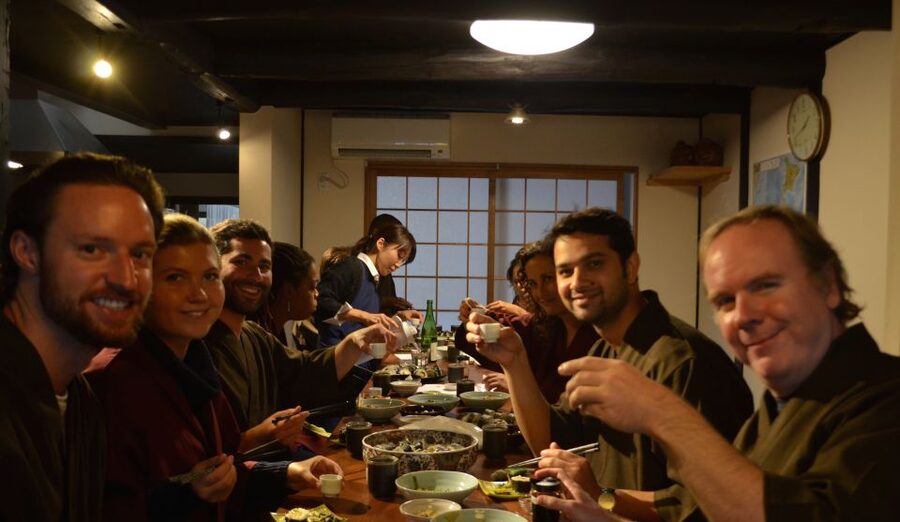
After eating the first round, you return to the kitchen for two or three more dishes. This two-part structure keeps the afternoon from feeling like one long block of chopping and measuring.
The second session may bring the total to around five or six dishes, including dessert on some occasions. One reported menu included five savory dishes and one dessert, while another included six traditional Japanese dishes. The exact number depends on the session, but you should expect more than a single recipe.
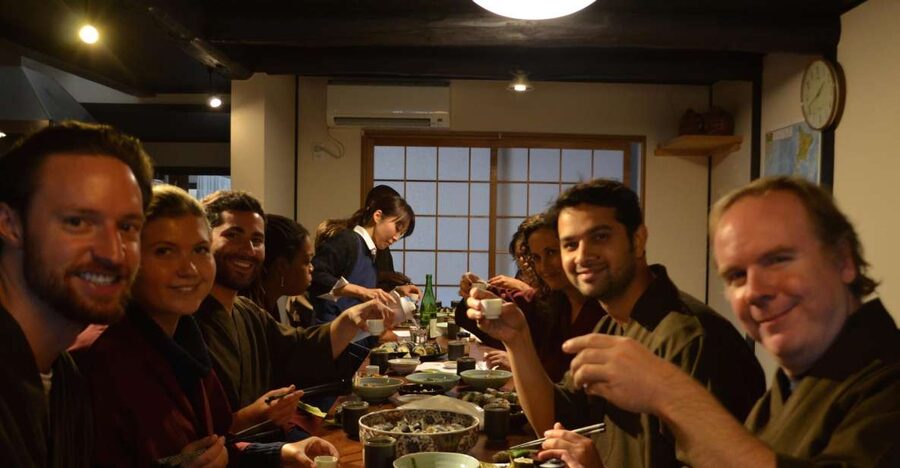
This is where the class feels most like an izakaya lesson. An izakaya is a Japanese drinking and dining spot where people order several small dishes, often sharing food and chatting across the counter. Cooking Sun borrows that relaxed rhythm. You prepare food, sit down to eat, talk with the instructor, then get back to work.
The social side is important. You are not only learning how to season or cook a dish. You are also getting context about how Japanese food fits into ordinary dining. The instructors explain ingredients and methods while keeping the mood light, and the English instruction makes it easier to ask about unfamiliar foods.
The pace can be quick. Preparing six dishes in three hours requires organization, and the class will not pause for every person to work at the same speed. Still, the instructions are set out step by step, and the teachers circulate to help. If you prefer long, slow practice with one recipe, a private lesson focused on a single dish might suit you better.
What you actually learn about Japanese food
The most useful part of this class is its focus on food people can make again. You do not need a special kitchen or advanced chef skills to get something from it.
You may learn how Japanese cooks build flavor with a small group of practical ingredients. Dashi, mirin, and related seasonings can seem mysterious when you encounter them on a restaurant menu. Here, you see how they work in a recipe and how they affect the finished taste.
The lesson also gives you a clearer idea of the difference between restaurant food and home food. Some dishes may look familiar from a menu, but the class shows how they are assembled in a domestic kitchen. That makes the experience more useful than a meal alone.
The recipes are a major benefit. Participants receive written instructions to take home, and the instructions are described as detailed, simple, and easy to follow. If you have room in your luggage, you may even decide to buy Japanese cooking utensils afterward. One participant did just that, turning the equipment into a practical souvenir rather than another decorative object.
The class is also a good choice if you already eat Japanese food regularly. One person who grew up eating Japanese food still learned new basics, including dashi preparation. You do not have to be starting from zero to find the lesson worthwhile.
More sake tastings around Kyoto:
- Kyoto Sake Brewery & Tasting Walking Tour
★ 5.0 · 623 reviews - 1.5-Hour Kyoto Insider Sake Experience with 7 Tastings & Pairings
★ 5.0 · 297 reviews - Kyoto: Insider Sake Experience with 7 Tastings and Snacks
★ 5.0 · 266 reviews - Izakaya Style Cooking Class
★ 5.0 · 219 reviews
The food, from okonomiyaki to dessert
You should come hungry. The class is structured around eating the dishes you prepare, and the food portion is not an afterthought.
Okonomiyaki has been singled out as a favorite. This savory Japanese pancake is a useful classroom dish because it is hands-on, filling, and flexible. It also shows how Japanese cooking can be casual and home-friendly rather than formal or delicate.
Other menus have included multiple traditional savory dishes and dessert. Because Cooking Sun may adjust the menu, you should think of the class as an introduction to a range of izakaya-style food rather than a promise of one particular meal.
The recipes are generally simple enough to repeat at home, but you may need to source Japanese ingredients after returning home. Dashi and mirin are not always in every kitchen, although the class helps you understand why they are useful. If you want to reproduce the dishes, make a note of the ingredients before leaving Kyoto and ask the chef for clarification while you still have them nearby.
The food also works well for people who are not keen cooks. The preparation is divided into clear tasks, and the instructors show what to do rather than assuming you already know Japanese techniques. A family group that included teenagers enjoyed the class, and one reluctant cook reportedly had a good time too.
The teaching style and group atmosphere
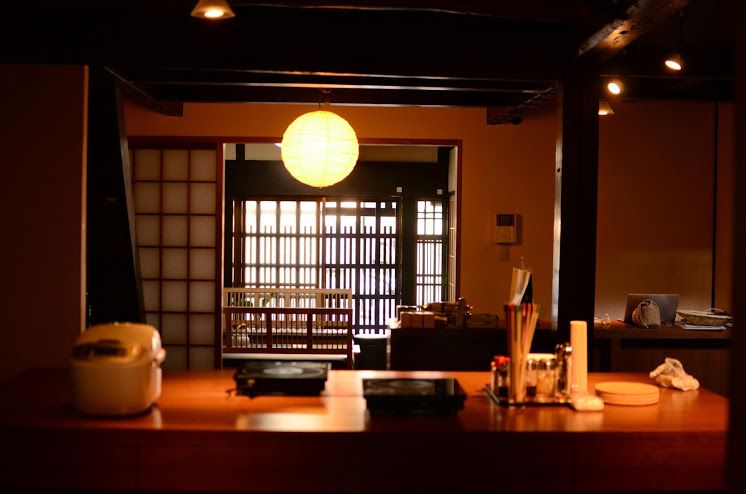
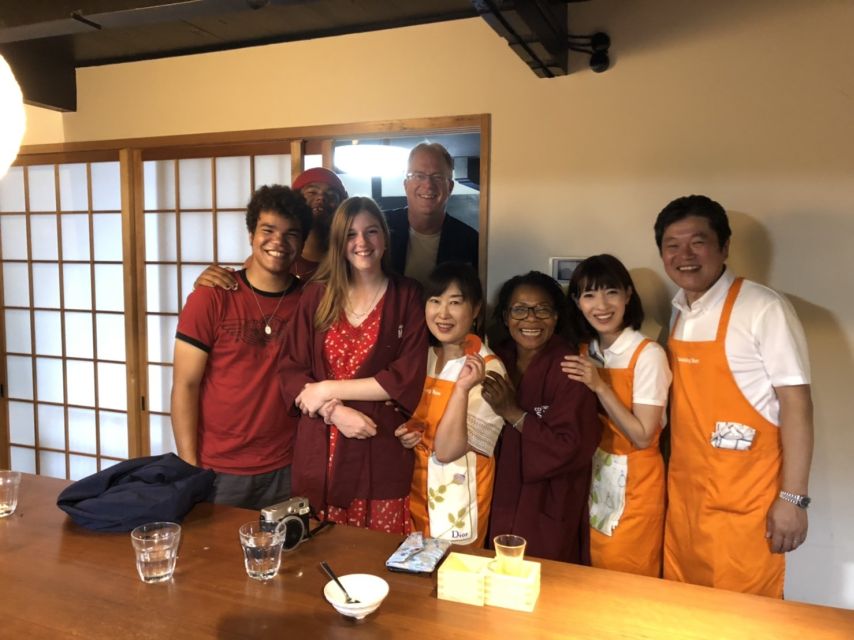
Cooking Sun’s strongest feature is the teaching. The instructors are praised for clear English, patience, warmth, and practical help. Some sessions include more than one chef, giving the class extra support as people move between tasks.
The atmosphere is informal. You can talk with the chef while cooking and eating, much as you would at an izakaya counter. That makes it easier to ask about ingredients, cooking customs, and the dishes themselves.
This style suits you if you enjoy meeting people from different countries. Groups can include families, couples, solo visitors, beginners, and experienced cooks. The shared meal gives everyone an easy subject to talk about, even if the class members do not arrive together.
The social format has one possible downside. If you want to work completely independently, conversation and shared timing may feel distracting. The class is designed for interaction, not silent individual practice.
The instructors also appear comfortable adjusting to different skill levels. One professional chef found value in the lesson, while beginners found the recipes accessible. A vegetarian participant was accommodated with separate utensils and pans. You should still report dietary requirements when booking, since the supplier needs advance notice.
Is $67 a fair price for three hours?
At $67 per person, this class offers solid value if you care about both the meal and the instruction. The price includes the cooking lesson, ingredients, apron, utensils, and two rounds of dishes. You are also paying for an English-speaking chef who can explain techniques and answer questions as you work.
A restaurant meal could cost less, especially if you choose an inexpensive izakaya. But a meal would not give you the recipes, the hands-on practice, or the chance to ask why an ingredient is used. The class becomes better value if you cook Japanese food at home after the trip.
The number of dishes also matters. Depending on the session, you may prepare five or six items in three hours. That gives you a broad introduction rather than a single recipe, though it also explains the brisk pace.
I would call the price reasonable for couples, families, and food-focused visitors. It is less compelling if you dislike cooking or mainly want to eat. In that case, an izakaya dinner will give you more time at the table and less work.
Who should book this class?
I would recommend it to first-time visitors who want an indoor activity with a clear cultural connection. It offers a break from Kyoto’s outdoor sights without feeling disconnected from Japan.
It also suits:
- Families with older children or teenagers
- Solo visitors who enjoy meeting people
- Couples looking for a shared activity
- Beginners who want practical recipes
- Experienced cooks curious about Japanese methods
- Visitors who want food they can recreate at home
You should think twice if you have severe dietary restrictions and cannot confirm suitable substitutions in advance. You should also skip it if you want a slow, highly focused lesson on one dish. This is a lively group class with several recipes, not a private chef consultation.
The class can work well as a rainy-day plan, but it is too useful to save only for bad weather. Food often provides a more lasting connection to a place than another quick photograph, and the recipes give you a way to remember Kyoto after you leave.
Booking details to know before you go
The class is taught in English and lasts three hours. The price is $67 per person, and starting times depend on availability.
Cooking Sun supplies the ingredients, apron, and utensils. You should not need to bring cooking equipment. Dietary requirements must be shared with the local supplier when booking.
You can cancel up to 24 hours before the activity for a full refund. The reserve-now, pay-later option also gives you some flexibility while your Kyoto schedule takes shape.
Should you book the Kyoto Izakaya cooking class?
Book it if you want to do more than look at Japanese food. The strongest reasons are the clear instruction, the number of dishes, the recipes to take home, and the friendly conversation with English-speaking chefs.
The class is especially good for a family or couple who want a shared activity, and it works for complete beginners without boring experienced cooks. Just expect a full, active afternoon and a menu that may change from one session to another.
For $67, Cooking Sun gives you a meal, a lesson, and a practical souvenir in the form of recipes you can use. That is a better deal than a standard cooking demonstration, provided you are happy to chop, stir, taste, and keep up.
FAQ
Where does the Kyoto izakaya cooking class meet?
The meeting point is Cooking Sun, Funayacho, Shimogyo Ward, Kyoto, Kyoto 600-8466.
How long does the cooking class last?
The class lasts three hours and takes place in the afternoon. Available starting times should be checked when booking.
How many dishes will I prepare?
The class is divided into two cooking sessions. You prepare two or three dishes in the first session and two or three more in the second. Some sessions have included around five or six dishes, including dessert.
Is the class taught in English?
Yes. English is the listed teaching language, and the instructors provide step-by-step cooking guidance in English.
What is included in the price?
The $67 price includes the cooking class, ingredients, an apron, utensils, and the dishes prepared during the lesson.
Can I join if I have dietary requirements?
Yes, dietary needs should be reported to the local supplier when you book. A vegetarian participant was accommodated with separate utensils and pans, but you should arrange requirements in advance.
Is the activity wheelchair accessible?
Yes, the activity is listed as wheelchair accessible. You should still tell the supplier about any specific access needs when booking.
More Workshops in Kyoto
- Bruges: Belgian Waffle-Making Workshop with Beer Tasting
★ 4.9 · 960 reviews - Paella Workshop with Bottomless Sangria in Central Madrid
★ 5.0 · 763 reviews - The Waffles ‘n Beer Workshop in Bruges Centre
★ 5.0 · 429 reviews - York: Chocolate Bar Making Workshop at York Cocoa Works
★ 4.7 · 401 reviews
More Cooking and Drinking Classes around Kyoto
- Paella Cooking Class in Madrid with Bottomless Wine Pairing
★ 5.0 · 985 reviews - Taste of Spain: Tapas Cooking Class with Bottomless Wine Pairing
★ 5.0 · 414 reviews - Ramen and Sushi Cooking Class with Sake Pairing Set in Tokyo
★ 5.0 · 291 reviews - Tokyo Washoku 4-hour Cooking Class: From Market to Table
★ 5.0 · 253 reviews
Just added around Kyoto
- Private Sake Tasting in Central Kyoto with Sake Sommelier★ 5.0 · 13 reviews
- Kyoto: Gion Evening Walk with Hidden Gems, Geisha & Sake★ 5.0 · 41 reviews
- Kyoto: Foodie Night Tour in Gion with 9 dishes + 6 Sake★ 4.4 · 26 reviews
- Kyoto: Izakaya Nightlife Tour with Local Guide★ 5.0 · 4 reviews
- Kyoto: Izakaya Food Tour with Local Guide★ 5.0 · 4 reviews
- Kyoto Sake Brewery Tour★ 3.3 · 5 reviews
- Kyoto: Newly Opened Sake Tasting – Sanjo Chasuian★ 5.0 · 7 reviews
- Kyoto: Fushimi Sake District Tour with Boat Ride★ 4.6 · 10 reviews
Sake Tasting, compared.
Best of Shinjuku: Izakaya Food Tour (4 Stops, 14+ Tastings)
Read our review →
Shinjuku Local Bar and Izakaya Guided Walking Tour
Read our review →
1-Day Snow Monkeys, Zenko-ji Temple & Sake in Nagano
Read our review →
3-Hour Kyoto Insider Sake Brewery Tour with Tastings & Pairings
Read our review →

Nagano: Snow Monkeys, Zenkoji Temple & Sake Day Trip
Read our review →

Insider Sake Brewery Tour with Sake and Food Pairing
Read our review →Browse the lists this tour appears in