
REVIEW · TOKYO BOOZY TOURS
Tsukiji: Unlimited Sake Tasting Experience
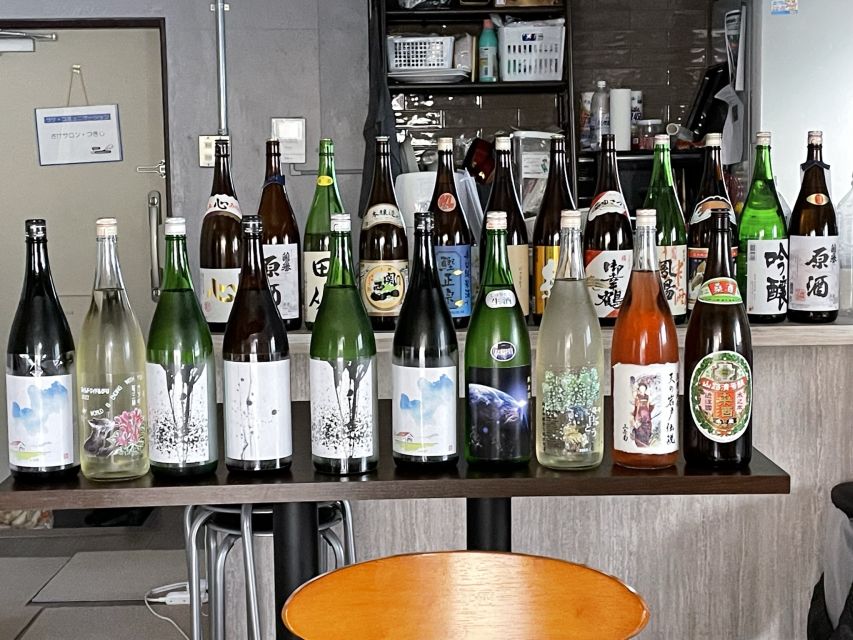
Sake is far more than one flavor. This Tsukiji tasting lets you sample from 50 to 60 bottles while a sommelier explains breweries, brewing methods, and the stories behind each pour. I like the small, private-salon setting, and I especially like the chance to compare the same style of sake at different temperatures. The main catch is that the advertised timing is not fully consistent: the activity is listed as 90 minutes, while the description also refers to two hours.
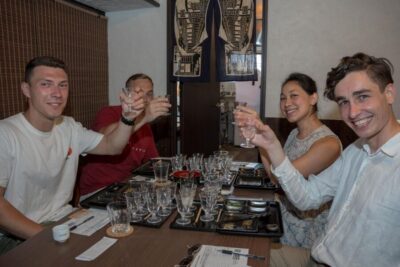
You will taste sake with cheese, rice crackers, and other small snacks, which makes the alcohol easier to enjoy and helps show how food changes each pour. Hosts such as Mako, Yuki, Kyoko, and other Sake Lovers guides receive especially warm praise for making beginners feel comfortable. Bring patience and a clear head, though: the selection is generous, but the listing does not promise that every one of the 50 to 60 available bottles will be poured during your session.
Key points to know before you book
- Taste across Japan: Around 50 to 60 different sakes may be available, with past sessions sampling roughly 20 to 30.
- Learn in a private salon: The tasting takes place at Sake Lovers Inc. in a red brick building in Tsukiji.
- Compare serving temperatures: Warm, cool, and room-temperature sake can show very different aromas and flavors.
- Expect a beginner-friendly lesson: Hosts explain rice, brewing, breweries, sake styles, and ordering basics in English.
- Snacks are included, but not a meal: Cheese, rice crackers, and other small bites accompany the tasting.
- Check the timing carefully: The booking information says 90 minutes, while the description also mentions two hours of tastings.
Why this Tsukiji sake tasting is worth your time
Tokyo gives you many chances to drink sake. Far fewer give you a useful way to understand what is in your glass. This session is built around comparison, which is the right approach for anyone who has tried sake only once or twice and decided it was all the same.
It is not. Sake can taste sweet, dry, soft, sharp, fruity, earthy, light, or powerful. The rice variety, polishing level, yeast, brewing method, serving temperature, and age all affect the result. You do not need to memorize technical terms, but tasting several examples side by side helps you notice the differences quickly.
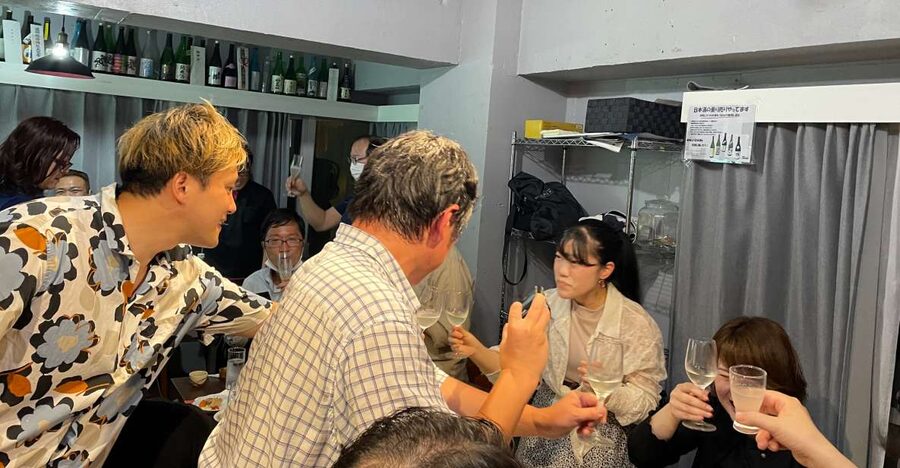
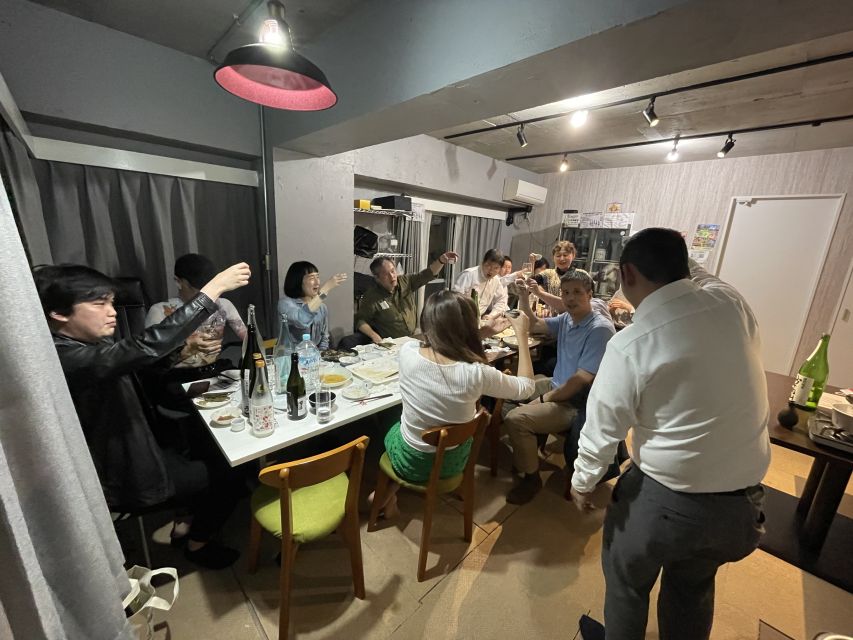
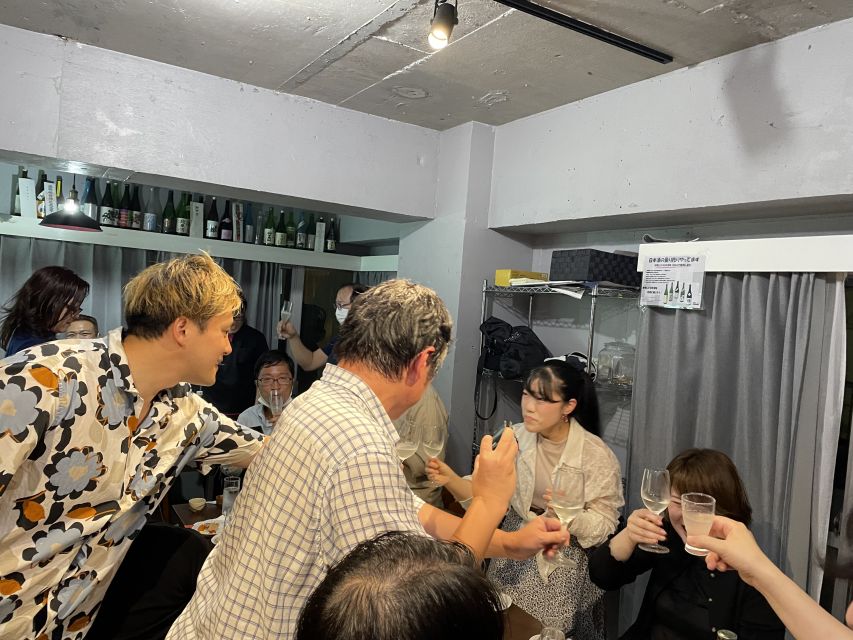
I also like the setting. This is not a large restaurant event where a server drops off a drink and moves on. You meet in a private sake salon, at Sake Lovers Inc., and spend the session asking questions and tasting at your own pace within the allotted time.
That intimate format matters most if you are new to sake. You can ask what a label means, why one bottle tastes sweeter than another, or what to order with sushi. The hosts adjust their explanations to the group, and the available sessions can be very small. One pair ended up receiving what felt like a private lesson, while another session had only three people.
More Sake Tastings in Tokyo
- Best of Shinjuku: Izakaya Food Tour (4 Stops, 14+ Tastings)
★ 5.0 · 1,863 reviews - Tokyo: Shinjuku Local Bar and Izakaya Guided Walking Tour
★ 4.9 · 1,794 reviews - Tokyo: Shinjuku Local Bar & Izakaya Crawl Tour
★ 5.0 · 890 reviews
Finding Sake Lovers Inc. in Tsukiji
The meeting point is Sake Lovers Inc., written as サケ・ラバーズ株式会社 in Japanese. Look for the red brick building, enter through the main door, and take the elevator to the fourth floor. The first door on the left is room 405.
This is a useful address to save before you arrive. Tsukiji has plenty of food shops and side streets, and a private salon can be easy to miss if you are simply wandering around looking for a prominent storefront.
The activity does not include hotel pickup or drop-off, so you make your own way to the building. Since the tasting is in a fixed room rather than a moving tour, arrive with enough time to locate the entrance without rushing.
The session is offered in English. The tone appears informal and welcoming, which helps if you know very little about Japanese alcohol. You are not expected to arrive with a working knowledge of sake vocabulary.
The opening lesson: how sake is made
The tasting begins with context. Your sommelier explains the basics of sake production, the role of rice, and how breweries create different styles. You also hear about the history of sake in Japan and the background of the bottles being served.
This introduction is more useful than a long lecture on dates and names. It gives you a framework for tasting. You begin to understand why two clear drinks made from rice can have completely different characters.
The hosts also explain the brewery and story connected with each bottle before you sample it. That detail adds a human side to the tasting. Instead of treating sake as a generic national drink, you see it as the product of many breweries, regions, methods, and preferences.
Mako receives repeated praise for her friendly approach and clear explanations. Yuki is also described as a gracious host who helped turn a tasting into a practical lesson. Kyoko led one progressive tasting, moving through the sake in an order that made the changing flavors easier to follow.
The exact host depends on the session, but the important point is that the format encourages questions. If you already know a little about sake, you can ask about brewing or labels. If you know nothing, you can start with the basics without feeling out of place.
Tasting 20 to 30 bottles from a larger selection
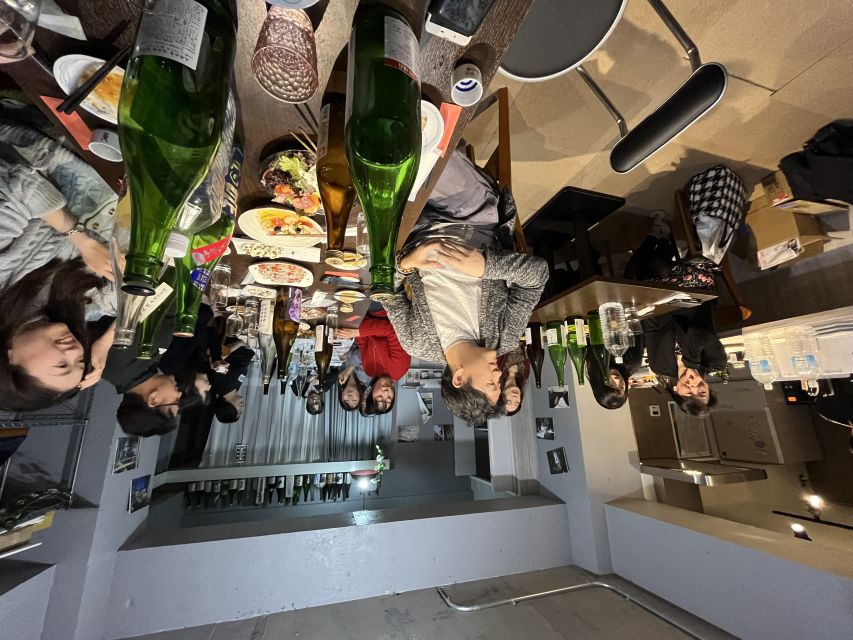
The main event is the tasting itself. The salon has roughly 50 to 60 kinds of sake available, drawn from breweries around Japan. In practice, sessions described by participants sampled about 20, 30, or another substantial selection rather than every bottle in the room.
That is still a lot. You are likely to encounter a range from sweet and gentle to bitter and full-bodied, along with styles you may never have noticed in a supermarket or ordinary bar.
The word unlimited needs a little practical interpretation. It means you can continue tasting from the available selection during the session, not that you should attempt to drink 60 full glasses. Pours are tasting portions, and water and snacks help you pace yourself, but alcohol adds up quickly.
I would treat the session as a guided exploration, not a drinking contest. Notice what you like. Take mental notes about the rice, sweetness, aroma, and finish. If one style is not for you, move on. The point is to find patterns in your taste.
The wide selection is valuable because it lets you test assumptions. Perhaps you think you prefer dry sake, then discover a light, fragrant bottle that changes your mind. Perhaps you have only tasted inexpensive sake served cold and find that a more refined bottle has a completely different balance.
One past participant returned for a second visit and found new bottles to try. That suggests the range changes, or at least that one session cannot cover everything available. If you are serious about sake, there is room for a repeat visit.
More sake tastings around Tokyo:
- Shibuya: Local Bar & Izakaya Crawl
★ 4.9 · 354 reviews - Ramen and Sushi Cooking Class with Sake Pairing Set in Tokyo
★ 5.0 · 291 reviews - Sake Tasting Masterclass in Shinjuku (8+ Varieties with a Pro)
★ 5.0 · 271 reviews - Sake Omakase in Tokyo: Guided Tasting by Certified Sommeliers
★ 5.0 · 239 reviews
Temperature changes the flavor
One of the most useful parts of the session is tasting sake at different temperatures. Many people assume sake is simply served cold, but temperature can change the drink’s aroma, sweetness, texture, and finish.
A cool serving can feel crisp and clean. A warmer serving may bring out softer aromas or a fuller sensation. The exact result depends on the sake, which is why this comparison works best when a sommelier guides you through it.
This is practical knowledge for the rest of your Japan trip. You may see bottles served chilled, at room temperature, or warm in restaurants and izakayas. After this session, you have a better chance of understanding what you are ordering instead of choosing based only on the label.
You do not have to like every temperature or every style. That is part of the lesson. The exercise shows that serving advice is not decoration. It can change the whole impression of the drink.
Cheese, rice crackers, and small bites
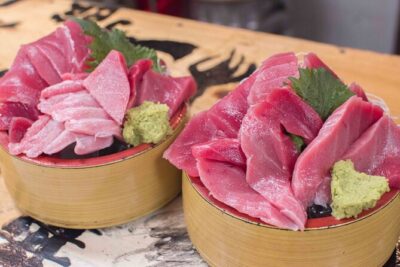
Food is available during the tasting, including cheese, rice crackers, and other snacks. These are not meant to replace lunch or dinner, and food is not listed as a separate included meal.
The snacks have a real purpose. A bite of cheese can soften a sharp sake, while a rice cracker gives you a neutral, familiar texture between tastings. Food also helps prevent the session from becoming a string of drinks on an empty stomach.
I would schedule this as a tasting before or after a proper meal, rather than as your only food stop in Tsukiji. The nearby market area is famous for eating, but this particular activity focuses on sake education, not a full food tour.
The pairing element also gives you ideas for future meals. You can begin to notice which sakes might work with seafood, salty snacks, or richer foods. Even a short tasting can make your next restaurant order more deliberate.
A relaxed lesson for beginners and sake fans
The strongest reason to book this activity is the teaching. The atmosphere is friendly rather than formal, and the hosts are willing to explain the same point in simple terms if needed.
Beginners get the most obvious benefit. If you have ever looked at a sake menu and recognized none of the names, this session gives you a starting point. You learn enough to discuss sweetness, dryness, temperature, and style with greater confidence.
The experience also suits people who already enjoy sake. The salon includes bottles from many breweries, including harder-to-find examples. A person who has tried only common restaurant pours may discover new styles and producers.
I would not book it if you dislike alcohol, want a substantial meal, or prefer a fast-paced sightseeing activity. The experience stays focused on tasting and conversation for about an hour and a half, or possibly longer depending on the session description and schedule.
It is family-friendly in one limited sense. Children may attend, but no alcohol will be served to them, and parents must bring their own nonalcoholic drinks. Pregnant women should not take part, and the activity is not suitable for wheelchair users.
What $54 buys you
At $54 per person, the value depends on how much you want to learn. You are paying for access to a broad sake selection, unlimited tasting during the session, an English-speaking sommelier, and a private setting. For someone who would otherwise order several separate drinks without guidance, that can be a fair price.
The price is less attractive if you mainly want one or two drinks. In that case, a bar may be cheaper and more casual. This salon makes more sense when you value comparison and instruction.
You also need to remember what is not included. There is no hotel transportation, and the snacks are small rather than a full meal. The experience is best viewed as a tasting class with refreshments, not a dinner.
A useful benefit is the chance to identify bottles you genuinely like. Some people were able to buy a few favorites afterward, although not every bottle tasted was available for purchase. If bringing sake home matters to you, ask about buying options during the session rather than assuming every bottle is stocked for retail.
The booking terms add flexibility. You can reserve now and pay later, and cancellation is free up to 24 hours before the activity for a full refund. Starting times vary, so check availability for your date.
The timing issue you should notice
The duration needs careful attention. The headline information gives a 90-minute experience, while the detailed description refers to two hours of unlimited tastings.
That may reflect different session formats or a simple difference in the way the activity is described. I would plan for at least 90 minutes and check the exact start time and duration before paying. Do not schedule a train, restaurant reservation, or another timed activity immediately afterward.
The generous selection also means you should pace yourself. Water is available, and small snacks are served, but unlimited tasting does not remove the effects of alcohol. Eat a proper meal earlier or afterward, drink water, and avoid treating the number of available bottles as a target.
Who should book this Tsukiji experience?
I would recommend it most strongly to:
- First-time sake drinkers who want a clear introduction
- People who have only tried inexpensive or limited sake before
- Couples, friends, or families with adults interested in Japanese drinks
- Sake fans looking for unusual bottles and brewery stories
- Visitors who enjoy small-group lessons more than large group tours
- Anyone who wants help ordering sake at restaurants later in the trip
The small-group format is a major advantage. Sessions may have only a few participants, and that gives you more time to ask questions. It can also make the experience feel personal without requiring a private booking.
If you are traveling with children, remember that children will not receive alcohol and need their own nonalcoholic drinks. If you use a wheelchair, this activity is not suitable according to the provided information.
Should you book it?
Book this tasting if you want to understand sake rather than simply drink it. The combination of 20 or more samples, temperature comparisons, snacks, and a friendly English-speaking sommelier gives you useful knowledge for the rest of your time in Japan.
I would be especially keen to book it early in a Tokyo visit. You can then use what you learn when choosing sake with sushi, grilled food, or a casual evening meal. Just confirm the session length, pace yourself, and remember that $54 covers tasting and instruction, not a full meal or every bottle in the room.
If you want nightlife, a large party, or a substantial dinner, choose something else. If you want a personal introduction to Japan’s many sake styles, this Tsukiji salon is a strong choice.
FAQ
Where does the sake tasting take place?
It takes place at Sake Lovers Inc., or サケ・ラバーズ株式会社, in a red brick building in Tsukiji. Take the elevator to the fourth floor, where the first door on the left is room 405.
How long does the experience last?
The activity is listed as 90 minutes. The detailed description also mentions two hours of unlimited tastings, so check the exact timing when selecting your session.
How much does the tasting cost?
The listed price is $54 per person.
How many kinds of sake can I try?
Around 50 to 60 kinds may be available to sample. Individual sessions described in the activity information tasted about 20 to 30 different sakes.
Is the tasting conducted in English?
Yes. The host or greeter language is English, and the sommelier explains the sake, breweries, brewing process, and Japanese sake traditions in English.
Are snacks included?
Small snacks such as cheese and rice crackers are available during the tasting. Food is not listed as a full meal inclusion.
Is hotel pickup included?
No. You are responsible for getting to and from the private sake salon.
Can children attend?
The experience is family-friendly, but children will not be served alcohol. You must bring your own nonalcoholic drinks for children.
Can I cancel the booking?
Yes. You can cancel up to 24 hours in advance for a full refund. Reserve now and pay later is also available.
Just added around Tokyo
- Tokyo: Toshimaya Sake Brewery Tour with Sake Tasting★ 5.0 · 6 reviews
- Tokyo: Sushi Cooking Class with Sake Tasting★ 4.8 · 55 reviews
- Tokyo: The Best Izakaya Tour in Shibuya★ 4.7 · 15 reviews
- Tokyo: Shinjuku Izakaya and Golden Gai Bar Hopping Tour (2h)★ 4.9 · 67 reviews
- Tokyo: Shinjuku Nightlife Tour with Karaoke and Bar Hopping★ 4.1 · 4 reviews
- Tokyo: Sushi and Ramen Cooking Class with Sake Pairing Set★ 5.0 · 81 reviews
- Tokyo: Shinjuku Hidden Japanese Bar Tour (Neon Light City)★ 5.0 · 4 reviews
- Tokyo: Shinjuku Golden Gai Bar Hopping that only locals know★ 5.0 · 5 reviews
Sake Tasting, compared.
Best of Shinjuku: Izakaya Food Tour (4 Stops, 14+ Tastings)
Read our review →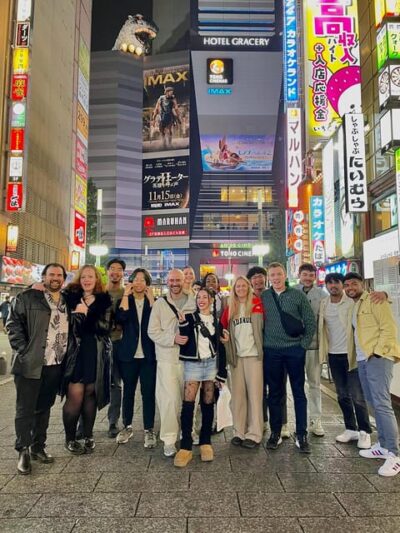
Shinjuku Local Bar and Izakaya Guided Walking Tour
Read our review →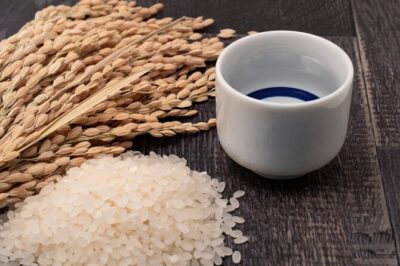
1-Day Snow Monkeys, Zenko-ji Temple & Sake in Nagano
Read our review →
3-Hour Kyoto Insider Sake Brewery Tour with Tastings & Pairings
Read our review →

Nagano: Snow Monkeys, Zenkoji Temple & Sake Day Trip
Read our review →
Insider Sake Brewery Tour with Sake and Food Pairing
Read our review →Browse the lists this tour appears in