
REVIEW · TOKYO BOOZY TOURS
Casual Japanese sake tasting and snack experience, Kabukicho
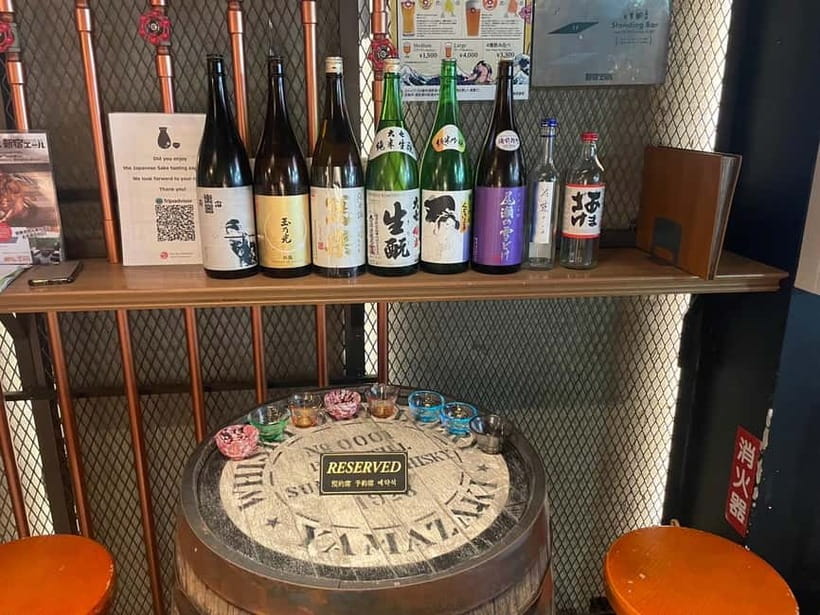
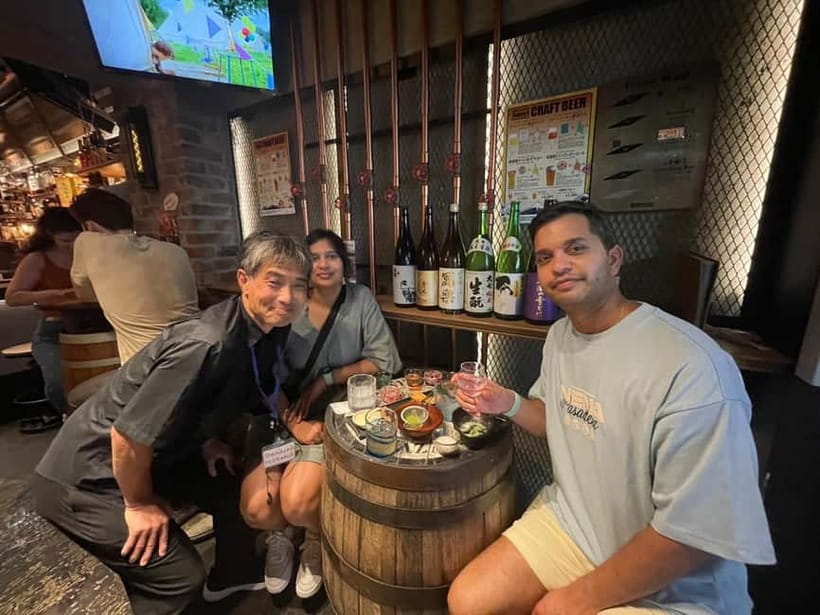
Sake gets easier with a little guidance. This casual Kabukicho tasting lets you compare eight Japanese drinks in a small group, with simple explanations and traditional snacks along the way. I like the gradual format, which starts with lighter sake and builds your understanding without making you study a glossary first. I also like the mix of cold, hot, cocktail-style drinks, and amazake. One thing to consider is the setting: the meeting point can be tricky to spot, and the surrounding Kabukicho streets may feel a little rough around the edges at first.
The $38 price is fair if you want more than one quick sip and a snack. You get all fees and taxes, a limited group of up to six people, and a tasting designed for beginners. English support is available, though some staff may use a translation machine, so this is a relaxed introduction rather than a formal sake seminar.
Key points to know before booking
- Eight drinks in one sitting: Compare selected sake, including cold and hot pours, a cocktail-style option, and sweet amazake.
- A beginner-friendly pace: The tasting starts with basic alcohol guidance and explains sake in plain, manageable steps.
- Snacks are part of the lesson: Traditional Japanese bites show how food can change the taste of each drink.
- Small group setting: With no more than six participants, you have a better chance to ask questions and receive personal help.
- Easy Shinjuku access: The meeting place is about five minutes from Shinjuku Station on the JR Yamanote Line.
- A few practical limits: The venue has no elevator, and the sign may be difficult to see from the street.
Starting near Shinjuku Station and Kabukicho Central Road
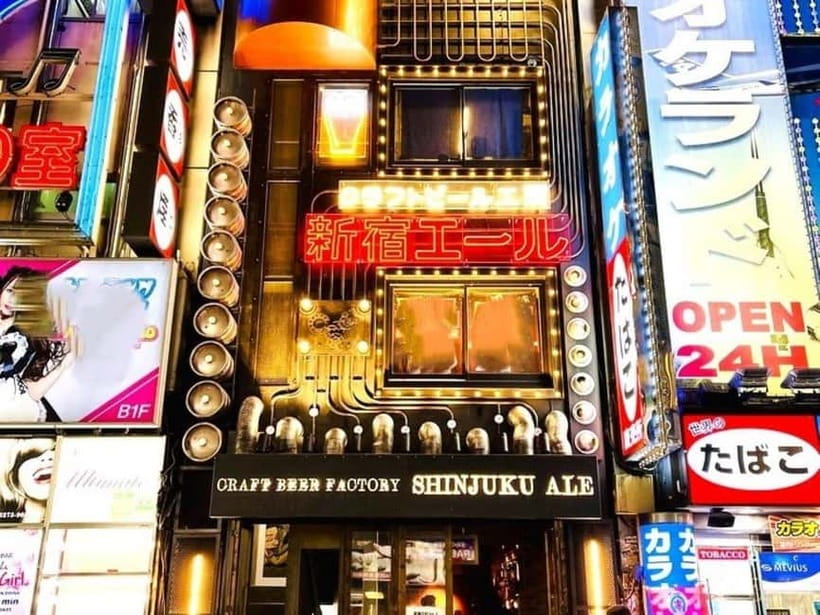
The meeting point is about five minutes from Shinjuku Station. From the station, walk along Kabukicho Central Road toward TOHO Cinemas. The venue is next to Karaoke 747, and the location is identified as Shinjuku Ale.
That sounds simple, but allow a few extra minutes. The sign may not be as large or clear as you expect, so it is worth checking the location details before leaving the station. The Google Plus Code is MPV2+VR Shinjuku City, Tokyo, which can help if your phone map has trouble with the venue name.
The tasting takes place on the second floor of a bar. You should not expect a quiet museum or polished restaurant room. This is a casual urban setting in the middle of Kabukicho, one of Tokyo’s best-known nightlife districts. That gives the experience some local flavor, but it also means the approach can feel intense, especially after dark or if this is your first visit to the area.
I would meet your group at the station or nearby before heading over if you are not comfortable finding nightlife streets alone. The activity itself is intended to be friendly and easygoing, but the walk to the door may require more attention than the tasting.
More Sake Tastings in Tokyo
- Best of Shinjuku: Izakaya Food Tour (4 Stops, 14+ Tastings)
★ 5.0 · 1,863 reviews - Tokyo: Shinjuku Local Bar and Izakaya Guided Walking Tour
★ 4.9 · 1,794 reviews - Tokyo: Shinjuku Local Bar & Izakaya Crawl Tour
★ 5.0 · 890 reviews
Eight drinks, with sake as the main lesson
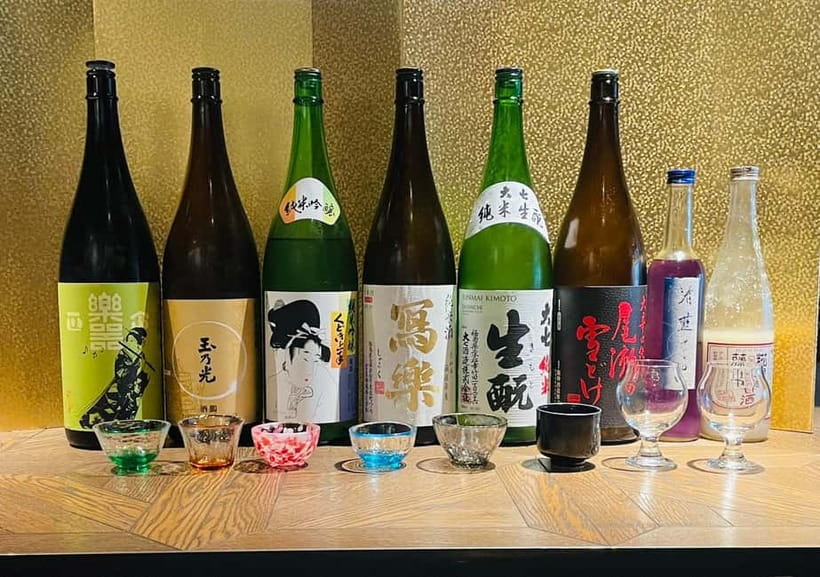
The heart of the experience is a comparison of eight carefully selected drinks. The purpose is not simply to hand you eight cups and send you on your way. You are encouraged to notice how alcohol strength, temperature, sweetness, and serving style affect what you taste.
The introduction starts with basic alcoholic drinks and lower-alcohol sake. Standard sake often sits around 15 to 16 percent alcohol, although some varieties are lower and others are stronger. That small fact gives you a useful starting point. You can think about strength before trying to identify finer details such as aroma or finish.
This order matters for first-time drinkers. If you begin with the strongest pour, you may lose the differences between the later samples. Starting gently gives you time to adjust and makes the comparison less intimidating.
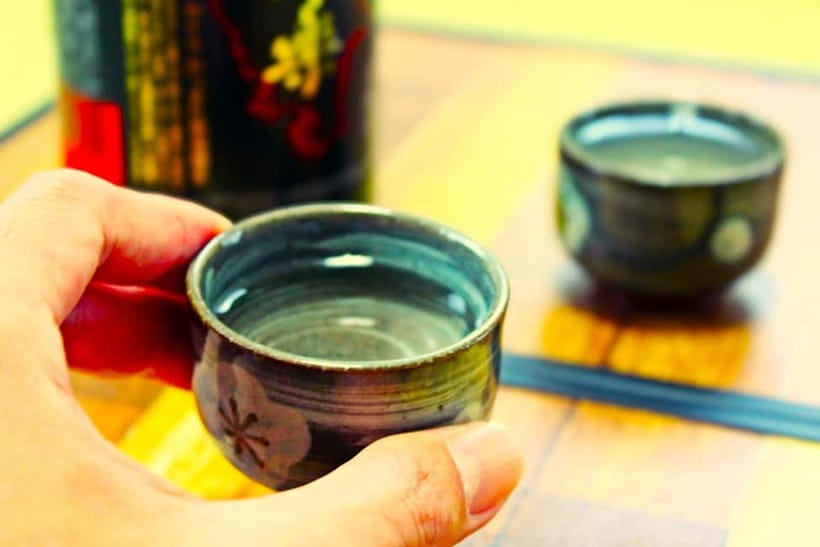
The selection includes cold and hot sake. Temperature can change the way a drink feels, so this is one of the more useful parts of the tasting. A chilled sake may seem crisp or light, while a warm serving can feel softer and fuller. The exact bottles and serving order can vary, but the point is to compare styles rather than declare one drink the winner.
You also try a cocktail-style sake drink. That gives you a bridge between traditional sake and more familiar mixed drinks. It can be useful if you like cocktails but are unsure about drinking sake on its own.
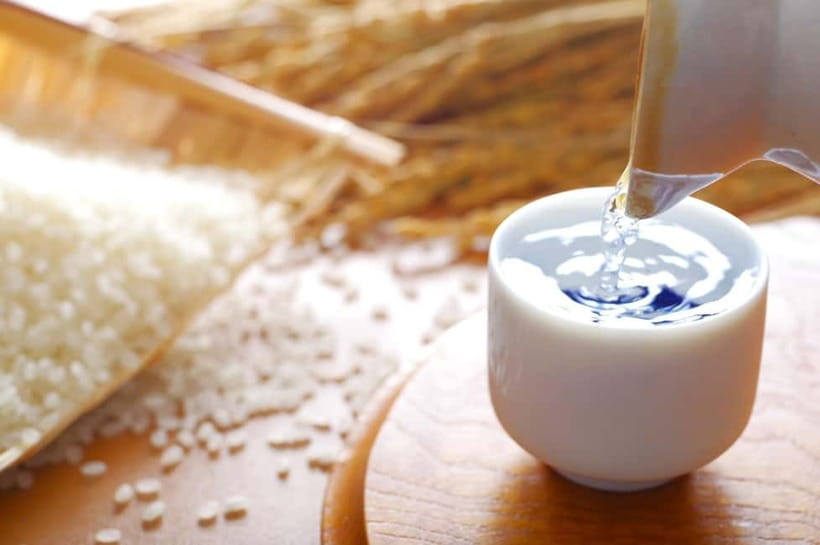
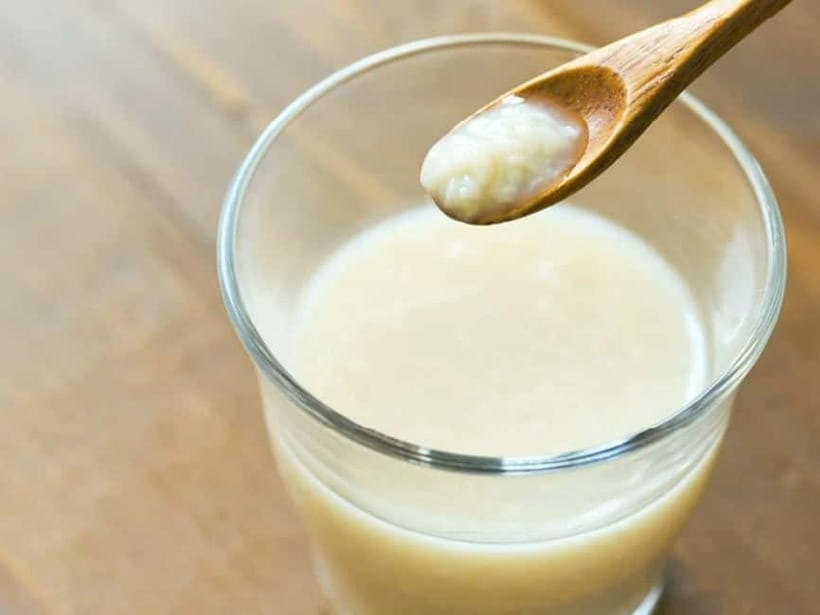
The final drink is amazake, a sweet fermented rice drink made with rice malt. Amazake is often served as a non-alcoholic or very low-alcohol drink, depending on the preparation, but the supplied details describe it here as a dessert. Treat it as the sweet finish rather than another serious sake comparison.
How the snacks change the tasting
Small traditional Japanese snacks accompany the drinks. They are not meant to replace dinner, and additional meals are not included, but they give the tasting more purpose.
Food can soften alcohol, bring out sweetness, or make a dry drink seem more balanced. You can pay attention to what changes when you sip before and after a bite. That simple comparison is more useful than trying to memorize technical sake terms.
The snacks also help break up eight samples. Even modest pours can feel like a lot when you are tasting several alcoholic drinks in succession. Having something to eat makes the session more comfortable and gives your palate a reset.
Do not book this expecting a full meal. The included food is best viewed as pairing material. If you are hungry, plan another meal before or after the experience, since additional food and drinks are not included in the price.
A gentle introduction for first-time sake drinkers
This experience makes its strongest case to people who are curious about sake but do not know where to begin. You do not need to arrive with a favorite brewery, a list of Japanese terms, or a practiced tasting method.
The structure gives you an easy way to compare drinks. Instead of asking you to understand every production detail, it starts with simple alcohol information and lets the samples do the teaching. I like that approach because sake can seem complicated when you first encounter labels filled with unfamiliar words.
The guide can explain the differences in English or Japanese. English support is available, but some staff members may rely on a translation machine. That may slow the conversation or make detailed questions harder, especially if you want a technical discussion about brewing methods.
Still, the setting appears better suited to a friendly introduction than to a lecture. The guide Mai is specifically praised for being welcoming and able to answer questions. That personal contact matters in a small group. With a maximum of six people, you are less likely to feel lost in the room or rushed through the samples.
One note: the supplied information says one participant was a strong whisky fan and rated the service highly. If you already know spirits well, you may enjoy the comparison of strength, heat, sweetness, and finish. But do not expect this to be a specialist whisky tasting. Sake remains the focus.
More sake tastings around Tokyo:
- Shibuya: Local Bar & Izakaya Crawl
★ 4.9 · 354 reviews - Ramen and Sushi Cooking Class with Sake Pairing Set in Tokyo
★ 5.0 · 291 reviews - Sake Tasting Masterclass in Shinjuku (8+ Varieties with a Pro)
★ 5.0 · 271 reviews - Sake Omakase in Tokyo: Guided Tasting by Certified Sommeliers
★ 5.0 · 239 reviews
Why the small group matters
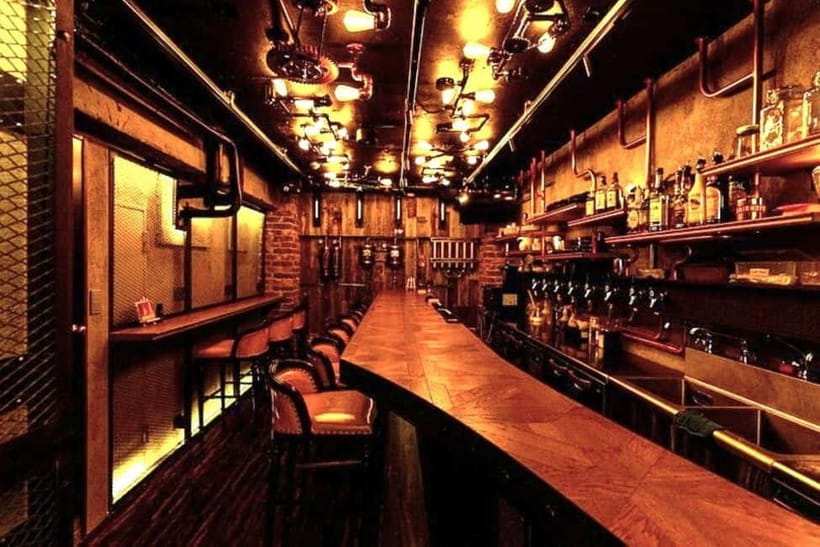
A six-person limit is one of the better features for a tasting. You can ask a question without speaking over a large crowd, and the guide has a reasonable chance to notice if you are unsure about a drink or its serving style.
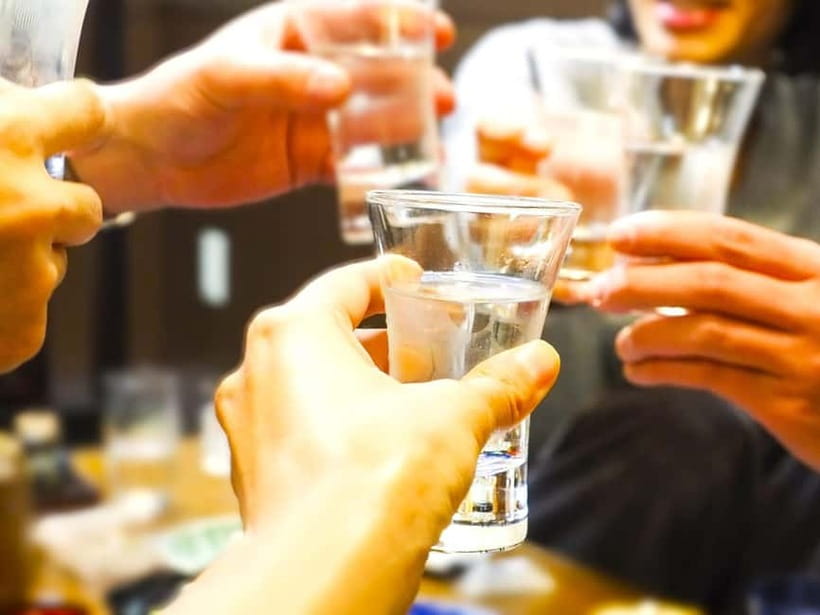
Small groups also suit the casual mood. You are likely to have a more conversational experience than you would at a large commercial tasting. That can be especially helpful if you are traveling alone or if the people in your group have different levels of sake knowledge.
The tradeoff is that the atmosphere may depend on the mix of people in your session. A tasting in a bar setting is not a private class. If you want silence, detailed written notes, or a formal presentation, this may not be the right format.
The casual tone is exactly what makes it approachable for many people. You can enjoy the drinks without feeling that you need to perform as an expert.
Is $38 a good value in Tokyo?
At $38 per person, the value depends on what you want from the outing. You are paying for eight drink comparisons, traditional snacks, guidance, and a small-group setting. All fees and taxes are included, so the listed price is not just an entry fee with surprise charges added later.
For someone who would otherwise order several drinks in Kabukicho without knowing what to choose, the session offers useful structure. You can try a range of styles in one place and learn what you prefer before buying a larger bottle or ordering sake at dinner.
The price is less attractive if you want a full evening meal or generous drink servings. Additional meals and drinks cost extra, and the included snacks are not presented as dinner. You also pay for your own transport to the meeting point.
I see the experience as a tasting lesson with food, not a bar crawl and not a meal. If that matches your plan, $38 is reasonable. It is especially good value for a first sake experience, since the guidance can save you from ordering at random.
The Kabukicho setting: useful atmosphere, imperfect arrival
Kabukicho gives the activity a clear sense of place. You are not being taken to a distant resort or a staged cultural center. You are meeting in one of Tokyo’s major nightlife areas, close to bars, cinemas, restaurants, and Shinjuku Station.
That location is convenient for fitting the tasting into a Tokyo day. You can visit other parts of Shinjuku before the session and continue your evening nearby afterward. The easy station access also helps if you prefer not to spend time arranging a long transfer.
The drawback is the same feature that makes the location interesting. Kabukicho can feel confusing and slightly intimidating, especially at night. One person found the street approach unusual and a little unsettling, while another felt the venue sign should be larger.
Use the directions carefully. Look for the area near TOHO Cinemas, then locate Shinjuku Ale beside Karaoke 747. Do not assume the venue will be obvious from a wide storefront sign.
Who should book this experience?
I would recommend it to you if you meet one or more of these descriptions:
- You are trying sake for the first time.
- You want to compare several styles instead of ordering one glass at a restaurant.
- You like casual food and drink activities with a small group.
- You want an easy evening stop near Shinjuku Station.
- You enjoy learning through tasting rather than reading a long explanation.
- You are interested in hot, cold, cocktail-style, and sweet rice-based drinks.
It may not suit you if you are looking for a full meal, a wheelchair-accessible venue, or a highly technical class. The venue has no elevator, and the experience is not suitable for people under 20 or for pregnant women.
You should also consider your communication needs. English and Japanese are available, but translation technology may be used. That is fine for straightforward questions and basic explanations, but it may not satisfy someone seeking detailed instruction in English.
Practical timing, safety, and cancellation details
The activity is listed with a duration of one day, but that appears to refer to the booking date rather than a full day of continuous tasting. You need to check availability for the actual starting time when booking.
This is an alcohol experience, so plan your evening sensibly. The activity does not include transport, hotel pickup, or drop-off. Since the venue is close to Shinjuku Station, arranging your own way there should be straightforward, but you should not count on a ride back to your hotel.
You can cancel up to 24 hours in advance for a full refund. The reserve-now, pay-later option is useful if your Tokyo plans are still shifting, since you can hold a place without paying at once.
The experience has a 4.7 rating from 31 ratings, with repeated praise for the friendly welcome, the simple explanations, and the variety of drinks. The most useful praise is practical: the selection includes hot, cold, and cocktail-style sake, and the guide Mai creates a comfortable mood.
Should you book the Kabukicho sake tasting?
Book it if you want a friendly, low-pressure way to understand sake in Tokyo. The eight-drink comparison, snack pairings, and small group give you more guidance than a random bar order, while the location keeps the outing easy to add to a Shinjuku evening.
I would skip it if you need a full dinner, an accessible venue, or a formal lesson taught entirely in fluent English. I would also allow extra time to find the second-floor entrance and avoid arriving hungry.
For most curious beginners, this is a sensible sake introduction at a fair price. You get a broad sample, a few useful tasting ideas, and a chance to learn what you actually like before ordering more.
FAQ
How many drinks are included?
The experience includes eight carefully selected drinks, with sake as the main focus. The selection can include cold, hot, and cocktail-style drinks, followed by amazake as a sweet finish.
Are snacks included?
Yes. Traditional Japanese snacks are included to pair with the drinks. Additional meals and drinks are not included.
Where is the meeting point?
The meeting point is about five minutes from Shinjuku Station on the JR Yamanote Line. Walk along Kabukicho Central Road toward TOHO Cinemas. Shinjuku Ale is next to Karaoke 747.
Is the experience suitable for someone who has never tried sake?
Yes. The session begins with simple information about alcoholic drinks and starts with lower-alcohol sake, making it suitable for beginners.
Is the activity available in English?
English and Japanese are available. Some staff may use a translation machine if needed.
Is the venue wheelchair accessible?
No. The venue is not wheelchair accessible because there is no elevator.
Who cannot take part?
The activity is not suitable for pregnant women or people under 20 years old.
Just added around Tokyo
- Tokyo: Toshimaya Sake Brewery Tour with Sake Tasting★ 5.0 · 6 reviews
- Tokyo: Sushi Cooking Class with Sake Tasting★ 4.8 · 55 reviews
- Tokyo: The Best Izakaya Tour in Shibuya★ 4.7 · 15 reviews
- Tokyo: Shinjuku Izakaya and Golden Gai Bar Hopping Tour (2h)★ 4.9 · 67 reviews
- Tokyo: Shinjuku Nightlife Tour with Karaoke and Bar Hopping★ 4.1 · 4 reviews
- Tokyo: Sushi and Ramen Cooking Class with Sake Pairing Set★ 5.0 · 81 reviews
- Tokyo: Shinjuku Hidden Japanese Bar Tour (Neon Light City)★ 5.0 · 4 reviews
- Tokyo: Shinjuku Golden Gai Bar Hopping that only locals know★ 5.0 · 5 reviews
Sake Tasting, compared.
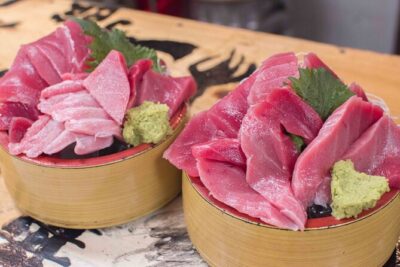
Best of Shinjuku: Izakaya Food Tour (4 Stops, 14+ Tastings)
Read our review →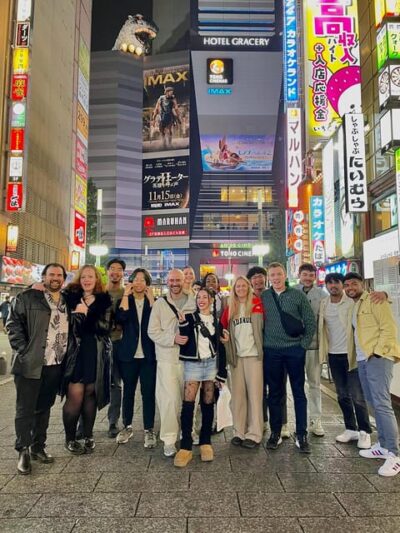
Shinjuku Local Bar and Izakaya Guided Walking Tour
Read our review →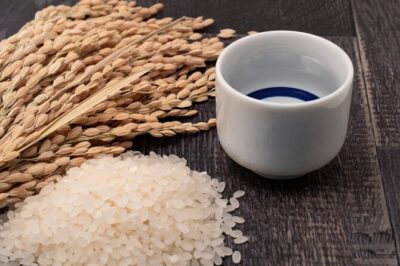
1-Day Snow Monkeys, Zenko-ji Temple & Sake in Nagano
Read our review →
3-Hour Kyoto Insider Sake Brewery Tour with Tastings & Pairings
Read our review →
Nagano: Snow Monkeys, Zenkoji Temple & Sake Day Trip
Read our review →
Insider Sake Brewery Tour with Sake and Food Pairing
Read our review →Browse the lists this tour appears in