
REVIEW · TOKYO BOOZY TOURS
Tokyo: Izakaya Bar Experience at Kuuraku Ginza Reservation
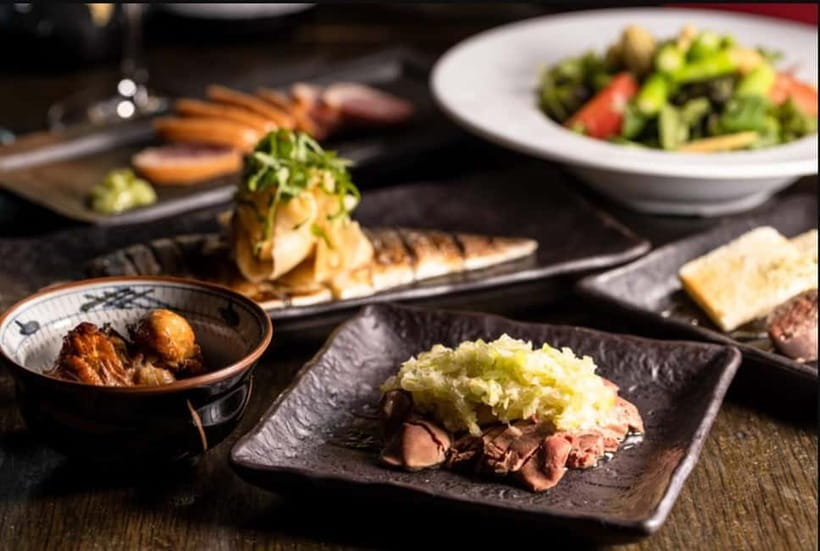
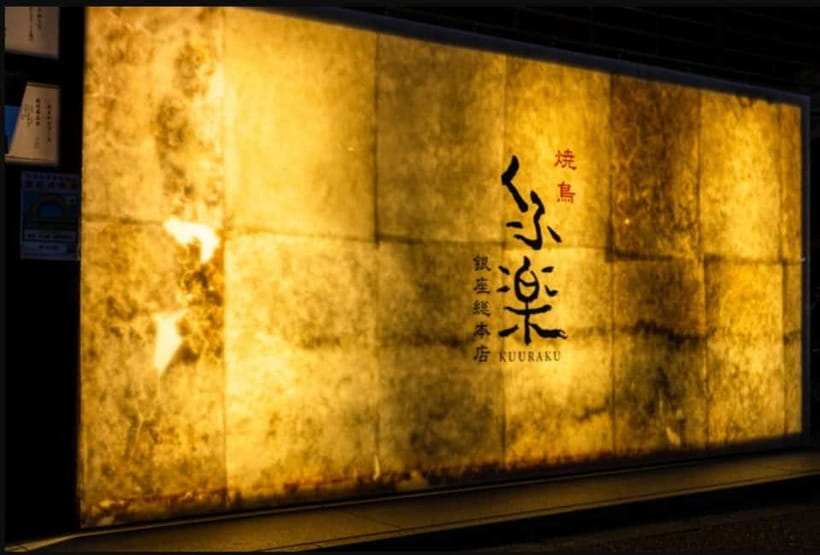
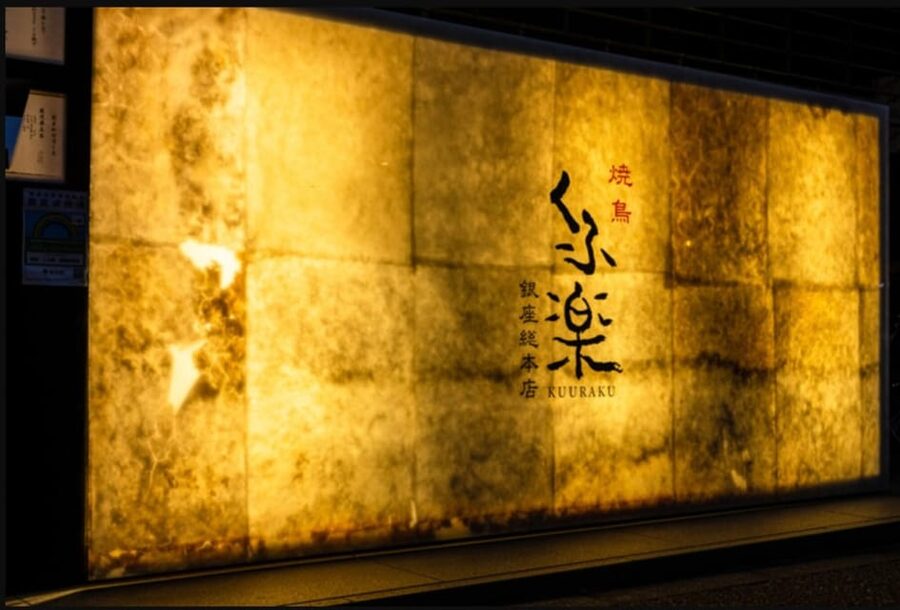
Follow the charcoal smoke in Ginza. Kuuraku Ginza offers a compact, food-focused escape from Tokyo’s bright streets, with chicken grilled over Binchotan charcoal and served in a cozy Japanese tavern setting. I like the careful cooking of the Michinoku Seiryu chicken, and I like that the meal comes as a full course rather than a loose order of skewers.
The main consideration is simple: this is a restaurant reservation, not a guided activity. You enter the restaurant yourself, drinks cost extra, and your table is held for a maximum of two hours. That suits an independent meal, but it may disappoint you if you expect a host, tour commentary, or a long evening at the table.
Key points to know before booking
- Binchotan-grilled chicken: The skewers use Michinoku Seiryu chicken, including familiar cuts and less common parts.
- Three set menus: Choose five, seven, or nine selected chicken skewers, with the larger courses adding more vegetables, beef, specialty dishes, and dessert.
- Two-hour dining window: The meal is paced as a restaurant course, not an open-ended night of drinks.
- Drinks are separate: Water is included, but sake, wine, and other drinks are not part of the listed price.
- Solo diners can book: Reservations are accepted from one person, which is useful in a city where some restaurants favor pairs or groups.
- English-friendly details: An English menu and friendly service make the experience easier for international diners.
What Kuuraku Ginza is really offering
The appeal here is not a sightseeing stop with a grand view. It is a chance to spend two hours eating in the izakaya tradition, where grilled food, drinks, conversation, and a relaxed room come together.
An izakaya is often described as a Japanese pub, but that label can undersell it. You might order several small dishes, share skewers, and match each bite with beer, sake, or wine. At Kuuraku Ginza, the set course gives that format more structure. You arrive, settle in, and let the kitchen bring out a planned sequence of dishes.
That structure helps if you are new to yakitori. You do not need to study a long menu or guess which chicken parts to order. The course gives you a guided taste of the restaurant’s cooking, even though no guide accompanies you.
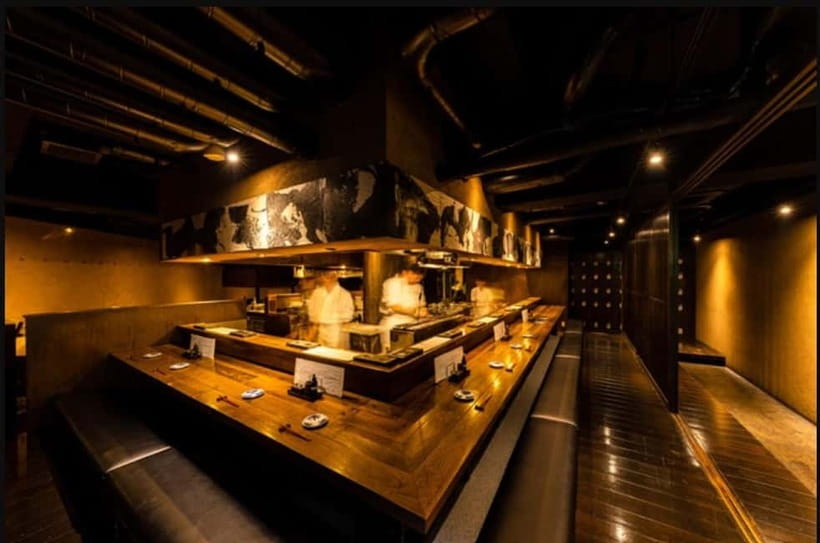
The setting adds to the appeal. The restaurant is described as cozy, serene, and neon-lit, giving you a lively Tokyo atmosphere without requiring a separate night out in a bar district. I would think of it as a useful pause in a Ginza evening: polished enough for a special meal, yet casual enough for a first taste of izakaya dining.
More Sake Tastings in Tokyo
- Best of Shinjuku: Izakaya Food Tour (4 Stops, 14+ Tastings)
★ 5.0 · 1,863 reviews - Tokyo: Shinjuku Local Bar and Izakaya Guided Walking Tour
★ 4.9 · 1,794 reviews - Tokyo: Shinjuku Local Bar & Izakaya Crawl Tour
★ 5.0 · 890 reviews
Finding the restaurant and settling in
The meeting point is next to a Family Mart convenience store. When your reservation time arrives, you enter the restaurant directly. There is no guide waiting outside, no walking tour, and no transport included.
That detail matters. Give yourself enough time to locate the entrance, but do not expect a staff member to lead you from the meeting point. The Family Mart reference is your landmark, while the actual meal takes place inside Kuuraku Ginza.
The restaurant reserves seats for up to two hours. You should arrive ready to eat at your scheduled time, especially if you choose one of the longer courses. The exact seat type cannot be guaranteed, so do not book expecting a specific counter or table position.
For a restaurant meal, the two-hour limit is reasonable. It should allow time for the food to arrive in stages and for a drink or two. Still, this is not the place to plan an all-night drinking session. If you want a second stop afterward, Ginza gives you plenty of options, and the fixed dining time helps you plan.
The five-skewer course: the shorter introduction
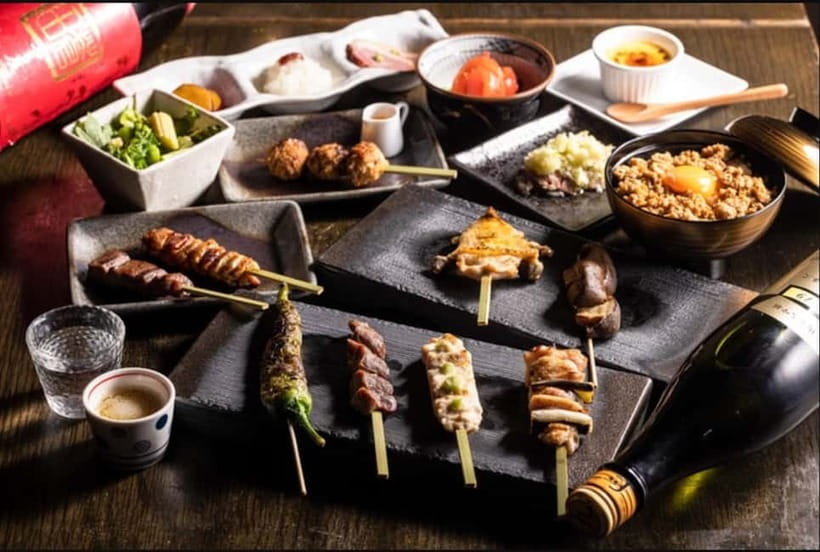
The five-skewer menu contains 11 dishes. It starts with an appetizer and salad, then moves into four Michinoku Seiryu chicken skewers, one vegetable skewer, a small dish, the specialty toro liver, chicken soup, and a minced-meat rice bowl.
This is the sensible choice if you want a full meal without making yakitori the entire evening. Four chicken skewers provide a clear taste of the kitchen’s main skill, while the vegetable, salad, soup, and rice keep the meal from feeling like a parade of meat.
The chicken selection includes scallion, breast, zuri or maruhatsu, and homemade tsukune. The names may require a little explanation if you are unfamiliar with chicken parts, but that is part of the fun. You get more than the standard breast and thigh combination.
The tsukune is especially worth noting. It is a handmade chicken meatball, usually prized for its tender texture and savory seasoning. A recent diner who chose the seven-skewer menu singled out the tsukune and chicken with scallion as favorites, which makes those two good reference points for what the kitchen does well.
The five-skewer course also includes the restaurant’s special toro liver. Liver has a softer, richer character than lean chicken, so it may be the dish that divides the table. If you like trying traditional cuts, it adds interest. If you prefer mild, familiar flavors, you may find it more challenging than the breast or scallion skewer.
The seven-skewer course: the best middle ground
The seven-skewer course expands the meal to 14 dishes. You receive an appetizer, salad, five chicken skewers, two vegetable skewers, a small dish, special toro liver, grilled soused mackerel, chicken soup, and a minced-meat rice bowl.
For many diners, this looks like the strongest balance. You receive more variety than in the five-skewer course, but the menu does not become as meat-heavy or lengthy as the nine-skewer option. The added vegetables and mackerel give the meal some welcome change in texture and flavor.
The chicken selection includes scallion, breast, zuri or maruhatsu, wings, and homemade tsukune. Wings bring more skin and a fuller grilled flavor, while breast gives you a leaner comparison. The contrast helps you understand why yakitori is about the part of the chicken as much as the sauce or seasoning.
The grilled soused mackerel is another useful change of pace. It moves the meal beyond chicken without abandoning the charcoal-centered style. If you are choosing one menu for a first visit, I would lean toward this course because it offers a broad sample without asking you to commit to 17 dishes.
A recent diner found the seven-skewer course satisfying and praised the sake selection, friendly service, and English menu. Those details are useful for first-time visitors. You can focus on the food without worrying that the meal will be difficult to navigate.
More sake tastings around Tokyo:
- Shibuya: Local Bar & Izakaya Crawl
★ 4.9 · 354 reviews - Ramen and Sushi Cooking Class with Sake Pairing Set in Tokyo
★ 5.0 · 291 reviews - Sake Tasting Masterclass in Shinjuku (8+ Varieties with a Pro)
★ 5.0 · 271 reviews - Sake Omakase in Tokyo: Guided Tasting by Certified Sommeliers
★ 5.0 · 239 reviews
The nine-skewer course: for serious yakitori fans
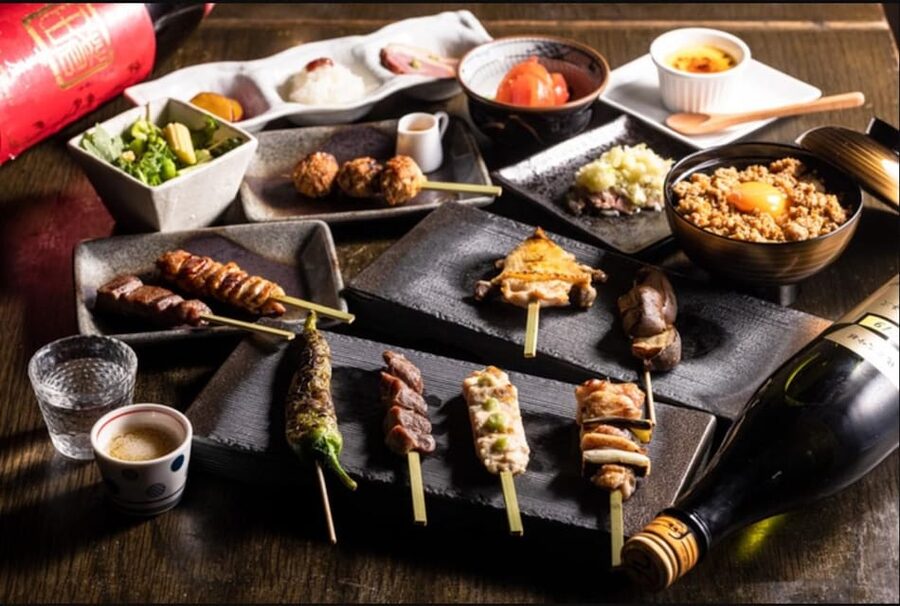
The nine-skewer menu contains 17 dishes. It includes an appetizer, salad, six chicken skewers, two vegetables, one beef skewer, a small dish, special toro liver, a meal, chicken soup, dessert, and a minced-meat rice bowl.
This is the fullest option and the best fit if you want to explore unusual cuts. Along with familiar chicken parts, the menu includes four kinds of rare parts. The exact cuts are not specified, so you should be ready for some variation from the pieces you see on a typical yakitori menu.
The addition of beef widens the course further, while dessert gives the meal a more finished restaurant shape. You also receive both soup and a minced-meat rice bowl, so this is not a light tasting menu.
The tradeoff is quantity. Seventeen dishes in two hours means you will spend most of your reservation focused on food. That can be enjoyable if you are curious about Japanese grilling and want a substantial dinner. It may feel like too much if you want a casual snack with drinks.
I would choose the nine-skewer course for an adventurous eater, a dedicated yakitori fan, or a special evening when the meal itself is the main event. For a quick pre-theater dinner or a lighter stop between Ginza plans, the five-skewer course is easier.
Why Binchotan charcoal matters
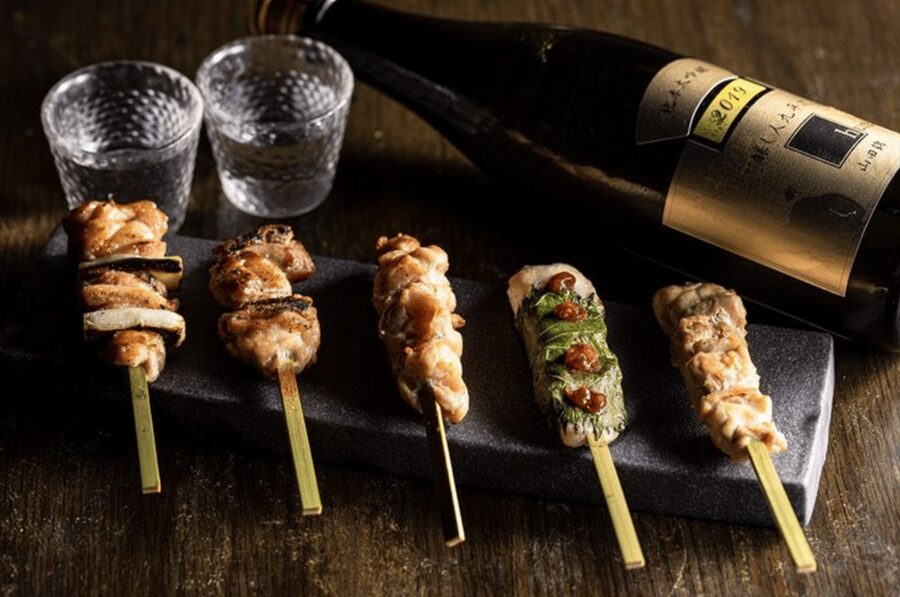
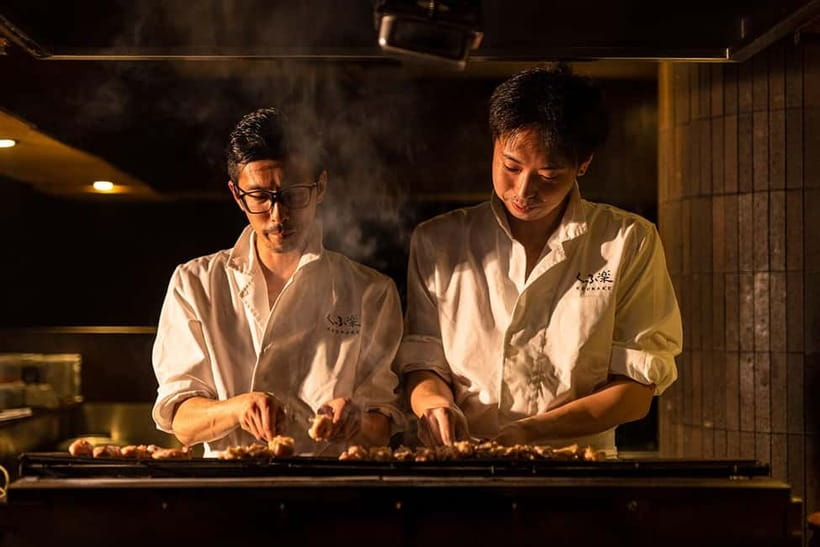
The chicken is grilled over Binchotan charcoal, a traditional Japanese charcoal known for producing steady, high heat. The stated aim is a crisp outside with a juicy interior, and that contrast is the heart of good yakitori.
You can taste the difference most clearly in pieces with skin, fat, or a tender interior. The grill should give the outside a gentle char while preserving the chicken’s moisture. With breast meat, careful timing matters even more, since it can become dry if overcooked.
The restaurant uses premium Michinoku Seiryu chicken, valued for flavor and tenderness. The menu then makes that ingredient the focus rather than burying it under a long list of sauces. You get to compare cuts and see how grilling changes each one.
I also appreciate the inclusion of rare parts. Food culture becomes more interesting when you move past the familiar. You do not need to like every cut, but trying one or two unusual pieces gives you a better sense of how yakitori works in Japan.
Sake, wine, and the cost of the meal
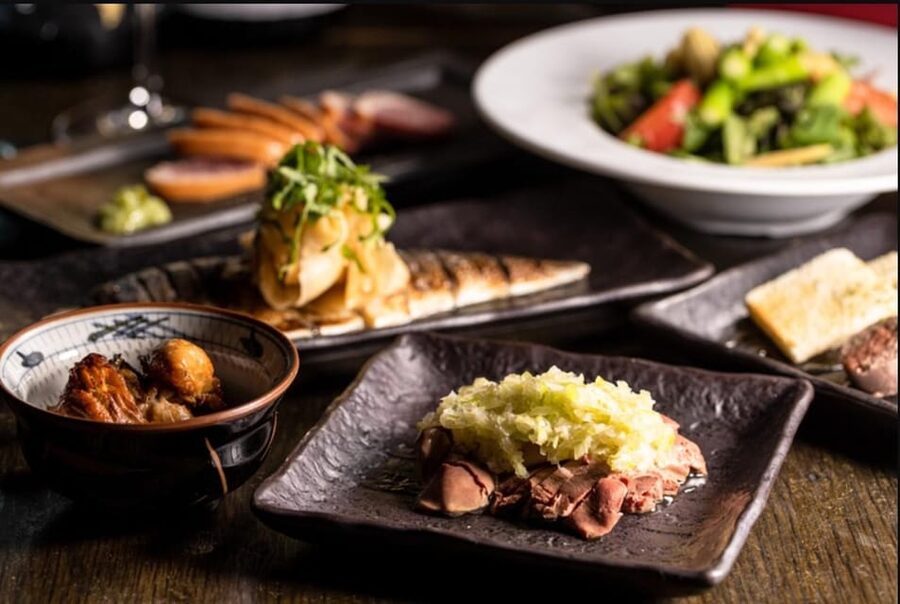
The listed price is $34 per person. The full course, sales tax, and reservation are included, while drinks and personal expenses are not.
That makes the value depend on what you want from the evening. If you only need dinner, $34 for a multi-course meal with several skewers, soup, rice, and side dishes is a fair price. If you plan to add several rounds of sake and wine, your final bill will be higher, so build that into your budget.
The drinks are part of the experience rather than an afterthought. The restaurant offers seasonal Japanese sake and award-winning wines, including Aota from Kitaya in Fukuoka. You can use the meal as a chance to try a Japanese drink you might not order elsewhere, but remember that none of these drinks are included in the base price.
I would ask the staff for a pairing suggestion if you are unsure what to choose. The available information confirms the drink range, but it does not give a separate beverage price list, so you should check the cost before ordering several glasses.
Water is included. That small point is useful if you want a full meal without adding alcohol.
Who should book this experience?
I think Kuuraku Ginza fits several types of visitors well:
- First-time visitors to Japan: The set menu removes much of the guesswork, and the English menu helps.
- Solo diners: One-person bookings are accepted, so you do not need to find a dining partner.
- Food-focused couples: The two-hour course gives you a clear dinner plan in central Tokyo.
- Yakitori fans: The rare chicken parts, Binchotan cooking, and three course sizes offer plenty to explore.
- Visitors with a tight schedule: A fixed two-hour reservation is easier to fit around other Ginza plans than an open-ended evening.
I would be more cautious if you have strict dietary restrictions. You can leave a note during checkout, but the menus are built around chicken, liver, mackerel, beef, vegetables, and rice. The information does not promise that every request can be accommodated, so contact the restaurant through the booking process and explain your needs clearly.
Children under six eat free. Children aged six and older must order the regular course. The legal drinking age in Japan is 20, so alcohol is for adults who meet that requirement.
Practical booking advice for Ginza
Book with the full number of diners shown correctly. The reservation is accepted from one person, but the restaurant still needs the total party size.
Photos are for reference only, and specific seats are not guaranteed. If a counter seat or a certain view matters to you, this experience does not promise it.
Cancellation is flexible up to two days in advance for a full refund. I would still check the exact time shown during booking, since course timing matters with the two-hour seat limit.
The experience is listed in Honshu, Japan, at Kuuraku Ginza in Tokyo. One description refers to Osaka, but the restaurant location and the meeting instructions point to Ginza, Tokyo. I would follow the Ginza address and reservation details when making plans.
Should you book Kuuraku Ginza?
Book it if you want a proper yakitori dinner in a central Tokyo setting, especially if you appreciate charcoal grilling, unusual chicken cuts, and a fixed course with several stages.
Choose the seven-skewer menu for the best all-around introduction. Pick five skewers if you want a shorter meal or have another evening plan. Choose nine if rare parts, beef, dessert, and a full 17-dish dinner sound like the main reason to go.
Skip it if you want a guided cultural activity, a long night of drinking, or drinks included in the price. Kuuraku Ginza is a restaurant reservation with a two-hour window. For the right diner, that focus is its strength: you get a warm room, carefully grilled chicken, Japanese drinks to explore, and a meal that feels connected to everyday dining culture in Tokyo.
FAQ
Is Kuuraku Ginza a guided tour?
No. This is a restaurant reservation only. You enter the restaurant directly at your reservation time, and no guide is provided.
How long does the meal last?
The reservation lasts up to two hours. Check the available starting times when you book.
What is included in the price?
The full course menu, sales tax, and reservation are included. Drinks other than water and personal expenses are not included.
Can one person book a seat?
Yes. Bookings are accepted from one guest.
How many course options are available?
You can choose from three menus: a five-skewer course with 11 dishes, a seven-skewer course with 14 dishes, or a nine-skewer course with 17 dishes.
Can children attend?
Children under six years old are free. Children aged six and older must order the regular course. Alcohol may only be served to people aged 20 or older in Japan.
Just added around Tokyo
- Tokyo: Toshimaya Sake Brewery Tour with Sake Tasting★ 5.0 · 6 reviews
- Tokyo: Sushi Cooking Class with Sake Tasting★ 4.8 · 55 reviews
- Tokyo: The Best Izakaya Tour in Shibuya★ 4.7 · 15 reviews
- Tokyo: Shinjuku Izakaya and Golden Gai Bar Hopping Tour (2h)★ 4.9 · 67 reviews
- Tokyo: Shinjuku Nightlife Tour with Karaoke and Bar Hopping★ 4.1 · 4 reviews
- Tokyo: Sushi and Ramen Cooking Class with Sake Pairing Set★ 5.0 · 81 reviews
- Tokyo: Shinjuku Hidden Japanese Bar Tour (Neon Light City)★ 5.0 · 4 reviews
- Tokyo: Shinjuku Golden Gai Bar Hopping that only locals know★ 5.0 · 5 reviews
Sake Tasting, compared.
Best of Shinjuku: Izakaya Food Tour (4 Stops, 14+ Tastings)
Read our review →
Shinjuku Local Bar and Izakaya Guided Walking Tour
Read our review →
1-Day Snow Monkeys, Zenko-ji Temple & Sake in Nagano
Read our review →
3-Hour Kyoto Insider Sake Brewery Tour with Tastings & Pairings
Read our review →

Nagano: Snow Monkeys, Zenkoji Temple & Sake Day Trip
Read our review →
Insider Sake Brewery Tour with Sake and Food Pairing
Read our review →Browse the lists this tour appears in