
REVIEW · OSAKA BOOZY TOURS
Osaka: Okonomiyaki Cooking Class with Beer or Soft Drink
Your dinner becomes the lesson. This one-hour Osaka class lets you make your own okonomiyaki rather than simply watch a demonstration, and I like the personal guidance from the instructor and the choice of 10 variations. I also like the tiny group size, limited to four people. The main drawback is the price: at $51 per person, it is a fairly costly meal for one hour, though the instruction, ingredients, and drink are included.
You meet your English-speaking guide at Nakatsu Station on the Midosuji Subway Line, Exit 3, then learn about this Japanese savory pancake before cooking. The class works well for children, couples, and families, but people with gluten intolerance and wheelchair users should choose another activity.
Key points to know before you book

- You cook one okonomiyaki yourself: This is a hands-on meal, not a cooking demonstration.
- Ten variations give you room to choose: You can select ingredients and make a version suited to your taste.
- The group is limited to four people: That small size allows close help from the instructor.
- The class lasts one hour: It fits neatly into a busy Osaka day, though the pace is brisk.
- A Japanese beer or soft drink is included: Your finished pancake comes with a drink to enjoy at the table.
- Nakatsu Station is the meeting point: Go to Exit 3 on the Midosuji Subway Line, where the guide waits on the ground floor.
Why this short Osaka class works
Okonomiyaki is often described as a Japanese savory pancake, but the appeal is in making it your own. The name is commonly understood as something like cooked as you like, and this class puts that idea at the center of the meal. You choose from 10 variations, then follow the instructor’s directions to create your own version.
I like that the class combines food with a little cultural background. You do not simply arrive, cook, and leave. The instructor explains the history of okonomiyaki and talks with you about Osaka, Japanese food, and daily life in Japan. Several participants found the conversation as memorable as the meal itself.
The format is especially useful if you have never made okonomiyaki. The instructor gives careful, clear guidance, so you are not left guessing what to do next. At the same time, you still have a real role in preparing the dish. That balance makes the class feel more personal than a standard restaurant meal.
The one-hour length is both a strength and a limitation. You can fit it between sightseeing stops, and you will not lose half a day to a cooking lesson. But if you want a long session with several dishes or a wide tour of Japanese cuisine, this is not that kind of class. It focuses on one Osaka favorite and does so at a quick pace.
More cooking and drinking classes around Osaka:
- Osaka Sake Tasting with Takoyaki Cooking
★ 5.0 · 156 reviews - Osaka: Cooking Class & Sake Tasting with Local Market Visit
★ 4.8 · 31 reviews - Paella Cooking Class in Madrid with Bottomless Wine Pairing
★ 5.0 · 985 reviews
Meeting at Nakatsu Station, Exit 3
Your starting point is the ground floor of Nakatsu Station on the Midosuji Subway Line. The guide waits at Exit 3. This is an important detail, since Osaka has several stations with similar names, and arriving at the wrong Nakatsu station could cause needless stress.
Plan to reach the meeting point with enough time to spare. One participant arrived late, and the instructor waited, which is a kind gesture, but you should not rely on that happening every time. A cooking class with only one hour on the clock has little room for delays.
The small-group setup makes the meeting feel more like being welcomed into a local activity than joining a large food tour. With no more than four participants, you can ask questions and receive direct help. Families and couples should find the size comfortable, while solo visitors may appreciate the chance to chat with the guide in a relaxed setting.
The guide speaks English and Japanese. That matters here because cooking instruction depends on timing and clear movement. Participants repeatedly praised the simple explanations and patient teaching, which should help you feel at ease even if you have never cooked Japanese food before.
Learning the story behind Osaka’s savory pancake

The class begins with an introduction to okonomiyaki and its place in Japanese food culture. The dish is often linked closely with Osaka, where it is treated as a beloved local comfort food. You learn some of that background before moving into the cooking.
This short explanation gives the meal more meaning. Instead of treating okonomiyaki as an unfamiliar pancake, you see why it matters as Japanese soul food. The instructor also talks about Osaka and Japanese life, so the conversation can extend beyond the recipe.
Do not expect a formal lecture. The most appealing part of the format is its informal exchange. You can ask about the food, the city, and local customs while working through the recipe. Several participants particularly enjoyed chatting with the instructor about Osaka and Japan.
That personal contact is one of the strongest reasons to book. A restaurant can serve you an excellent okonomiyaki, but it cannot usually explain the dish while you make it, adjust the lesson to your pace, and talk with you about local life. Here, the food becomes a reason to connect.
Choosing from 10 variations
After the introduction, you choose the ingredients for your own okonomiyaki. The class offers 10 variations, giving you more control than a fixed-menu cooking session. You are not simply handed a prepared mixture and told to copy the instructor.
The choice is useful for families and groups with different tastes. One person can select a favorite version while another chooses something different. It also adds a small sense of creativity to the class, since the finished pancake belongs to you.
The available information does not list the exact ingredients in each variation, so you should not assume every dietary preference can be handled. People with gluten intolerance are specifically advised not to book. If you have another food concern, ask before reserving rather than hoping it can be changed on the day.
The 10-choice system also keeps the activity manageable. You get variety without turning the lesson into a long menu-reading exercise. Since the class lasts only an hour, the instructor can move you from selection to cooking without wasting much time.
A few more boozy trips around Osaka worth a look
- Bruges: Belgian Waffle-Making Workshop with Beer Tasting
★ 4.9 · 960 reviews - Paella Workshop with Bottomless Sangria in Central Madrid
★ 5.0 · 763 reviews - The Waffles ‘n Beer Workshop in Bruges Centre
★ 5.0 · 429 reviews - Taste of Spain: Tapas Cooking Class with Bottomless Wine Pairing
★ 5.0 · 414 reviews
Cooking your own okonomiyaki with close help

The central part of the class is hands-on. The instructor teaches you how to prepare your pancake step by step, then helps you make one for yourself. You do not need advanced cooking skills, and the guidance is designed for beginners.
This is where the four-person limit earns its keep. In a large class, you might spend much of the lesson trying to see a demonstration or waiting for help. Here, the instructor can watch what you are doing and give you direct advice.
The tone also seems to be patient rather than hurried. One participant described the instructions as clear and simple, while another appreciated that the instructor made sure everyone understood and felt comfortable. That is a useful sign if you are bringing children or feel nervous about cooking in front of others.
The class is not only for children, but young cooks may enjoy it most when an adult shares the activity. The setting gives families something to do together, and the finished meal provides an immediate reward. Couples can also make the class part of a casual food-focused outing.
You prepare one okonomiyaki per participant. That is enough for a proper tasting, but you should not book expecting a multi-course meal. The point is to learn one dish well enough that you can feel confident trying it again at home.
Eating the finished pancake with a Japanese drink
Once your okonomiyaki is ready, it is served hot. Eating it immediately is part of the pleasure, since you can taste the result of your own choices while the cooking process is still fresh in your mind.
Each participant receives a choice of Japanese beer or a soft drink. Beer makes a natural match for a savory Osaka meal, while the soft drink option keeps the activity suitable for children and for anyone who does not drink alcohol.
This included drink adds some value to the $51 price. You are paying for more than ingredients and a plate of food. The fee covers the lesson, personal instruction, one okonomiyaki, and your drink. Still, the cost is high if you measure it only as lunch or dinner.
I would see the price as reasonable for someone who values a small, guided cultural activity. If your goal is simply to eat okonomiyaki cheaply, Osaka restaurants will likely be a better fit. If you want to learn the process and speak with a local instructor, the extra cost has a clearer purpose.
The food itself received consistently warm praise. Participants found the okonomiyaki delicious, and one person left with a full stomach and a big smile. That sounds fitting for a class built around comfort food rather than fine dining.
What the instructor adds to the meal
The instructor is a major part of the experience. The strongest praise centers on warmth, patience, and clear teaching. One participant felt the class became less like a lesson and more like cooking with a skilled friend.
That description points to the real appeal. The class does not depend on a grand setting or a long itinerary. It depends on the instructor making you feel welcome while showing you what to do. The available feedback describes an instructor who answered questions, accommodated participants, and created an easy mood.
One couple enjoyed learning from the guide while talking about food, Osaka, and Japanese life. Another called the class intimate and praised the host. These details matter because a small cooking class can feel awkward if the host is distant or the instructions are hard to follow.
There is also evidence of personal care. When one participant was running late, the instructor waited. The class area was described as clean and tidy, and the instructor offered both beer and soft drinks. The instructor’s wife was also described as kind and accommodating.
You should treat those personal touches as a likely strength, not a guaranteed script. The instructor may adapt the conversation to your group, and that is part of what makes a four-person class appealing. You get room for a more natural exchange than you would in a packed workshop.
Who should book this one-hour activity
I would recommend this class to first-time visitors who want an easy introduction to a dish strongly associated with Osaka. It suits couples, families, and small groups who like to eat as well as learn. Children and adults can take part together, and the soft drink choice makes the activity flexible.
It is also a good fit if you have a tight schedule. One hour is short enough to place before or after other plans, though you should include time to reach Nakatsu Station and get to the meeting point. The class itself is focused, so you will not spend the afternoon waiting for one dish to cook.
You may also like it if you want direct contact with a local person. The chance to ask about Osaka, food, and Japanese life can be more valuable than another sightseeing stop, especially on a longer trip when you want to slow down and talk.
I would skip it if you have gluten intolerance, use a wheelchair, or want a broad cooking course. Electric wheelchairs are not allowed, and the activity is not suitable for wheelchair users. Explosive substances are also not allowed, though that restriction is unlikely to affect a normal visitor.
The price may also put you off if you are traveling on a strict food budget. At $51, this is a learning activity with a meal, not a budget lunch. Its value depends on how much you want the instruction and conversation.
Booking, cancellation, and group size

The activity allows free cancellation up to 24 hours before the start for a full refund. You can also reserve now and pay later, which helps if your Osaka plans are still changing.
The group is limited to four participants, so availability may be tighter than for a large group tour. Check the starting times before you build the class into your day. The listed duration is one hour, but you should still allow enough time to reach Nakatsu Station, find Exit 3, and meet the guide without rushing.
The class is provided by Do co., Ltd. Instruction is available in English and Japanese. Since the lesson relies on spoken guidance, choose the language that will let you follow cooking steps comfortably.
Should you book the Osaka okonomiyaki class?
Book it if you want more than a meal. The best parts are the small group, the chance to choose from 10 variations, the clear instruction, and the relaxed conversation about Osaka and Japan. You leave having cooked one okonomiyaki yourself, eaten it hot, and learned enough to feel capable of trying again at home.
Skip it if you only want the cheapest way to eat local food, need wheelchair access, or cannot eat gluten. For everyone else, $51 is a fair price for a compact, friendly cooking lesson with a drink and personal attention. It is a simple activity, but that is its charm: one dish, one hour, and a welcoming host who helps you make dinner your own.
FAQ
Where does the okonomiyaki cooking class meet?
The meeting point is on the ground floor of Nakatsu Station on the Midosuji Subway Line, at Exit 3. An English-speaking guide waits there.
How long does the cooking class last?
The class lasts one hour. Starting times vary, so check availability when you book.
How many people are in each group?
The class is limited to four participants, making it a small-group activity with direct guidance from the instructor.
Is the class offered in English?
Yes. The instructor speaks English and Japanese.
What is included in the price?
The price includes the okonomiyaki cooking class, all necessary ingredients, one okonomiyaki per participant, a choice of 10 variations, personal instruction, and either a Japanese beer or a soft drink.
Is the class suitable for wheelchair users or people with gluten intolerance?
No. The activity is not suitable for wheelchair users, and people with gluten intolerance should not book it. Electric wheelchairs are not allowed.
Just added around Osaka
- Same Day OK! Osaka: Local Food, Izakaya & Local Bites Tour!★ 4.8 · 17 reviews
- Osaka Sake Tasting with Takoyaki Cooking★ 5.0 · 156 reviews
- Osaka: Unforgettable Bar Hopping in Kyobashi!★ 5.0 · 4 reviews
- 3.5h Osaka Night guided Local Bar Hopping, Sake & Karaoke★ 5.0 · 27 reviews
- Osaka: Bar-Hopping Night Tour in Namba★ 4.7 · 117 reviews
- Osaka: Cooking Class & Sake Tasting with Local Market Visit★ 4.8 · 31 reviews
- Osaka Bar Hopping | Explore Hidden Bars & Izakayas in Namba★ 4.7 · 18 reviews
- Bar hopping: Create lasting memories with TOMODACHI guides!★ 5.0 · 4 reviews
Osaka Boozy Tours, compared.

[1 Group Only] Osaka Street Food Tour for Family
Read our review →
Osaka Local Bar Crawl in Dotombori & Uranamba Area
Read our review →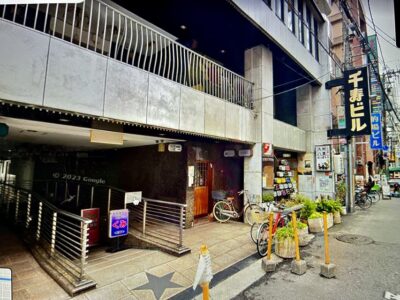
Cooking Class & Sake Tasting with Local Market Visit
Read our review →Browse the lists this tour appears in