
REVIEW · OSAKA BOOZY TOURS
Osaka Sake Tasting with Takoyaki Cooking
Turn Osaka’s two icons into dinner. This two-hour class pairs hands-on takoyaki cooking with a guided sake tasting led by Momo, a sake sommelier and former brewer. I like the small maximum of six, and I like that you do not just watch the food being made: you cook it, fill it, turn it, and eat it.
The class costs $70 per person, which is fair if you value both a meal and a useful introduction to sake. The main consideration is alcohol: several samples can add up quickly, and the class is less suitable if you want a quick taste rather than a generous evening session.
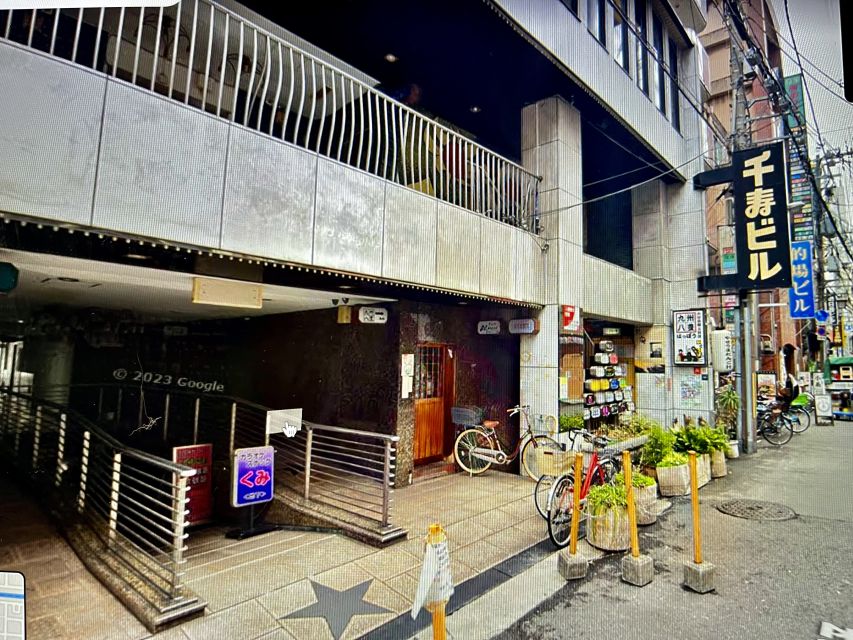
I also like the practical angle. Momo explains how sake is made, how styles differ, and how to choose a bottle later in Japan. Just remember that the exact bottles and number of pours can change with the seasonal menu, and the meeting point, MOMO to SAKE, is on the second floor of its building near Osaka Namba.
Key points at a glance
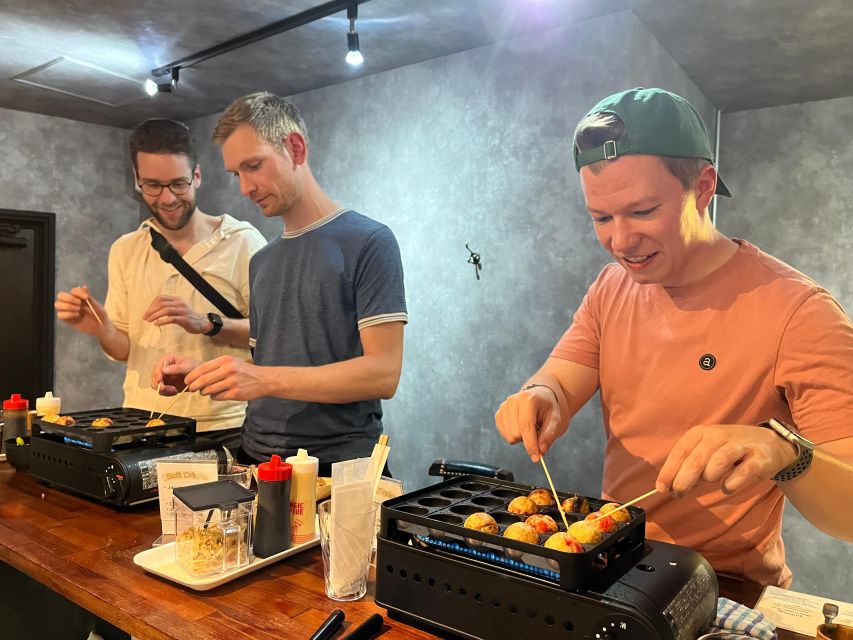
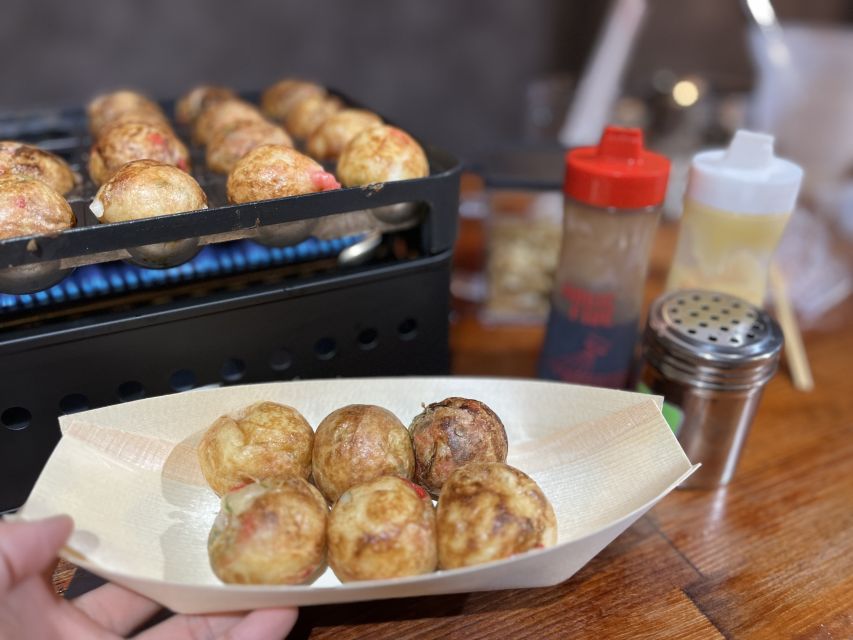
- Make your own Osaka-style takoyaki: Cook classic octopus balls, then try fillings such as wagyu beef, cheese, kimchi, or corn.
- Learn from Momo: Your English-speaking guide is a sake sommelier and former brewer who explains sake in plain, useful terms.
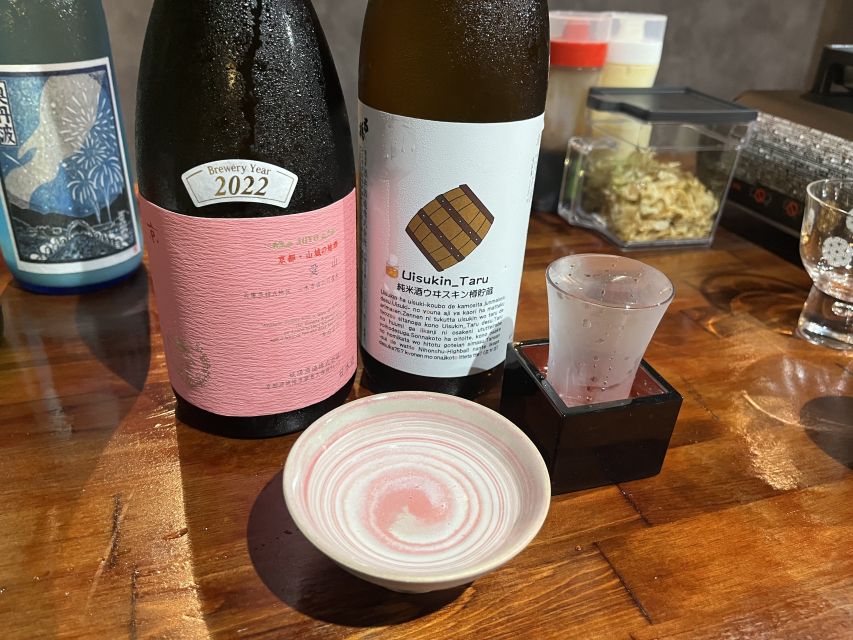
- Taste more than 10 Japanese sakes: The selection includes seasonal bottles chosen by the sake specialist, with soft drinks also available.
- Keep the group small: A maximum of six people allows plenty of time for questions and hands-on cooking help.
- Eat after cooking: The class is designed around enjoying your handmade takoyaki with sake, so arrive hungry.
- Stay close to Namba: The central Osaka location makes this easy to fit into an evening around Dotonbori and Namba.
Why takoyaki and sake make such a good Osaka pairing
Osaka is famous for food that feels social, informal, and a little messy. Takoyaki fits that mood perfectly. These hot, round snacks are made from a loose batter with octopus inside, then topped and eaten while still steaming. The fun comes from the cooking as much as the final bite.
This class gives you a better feel for the dish than simply ordering a tray from a street stall. You learn how to handle the batter and fillings, then turn the takoyaki as it cooks. That turning step takes patience and a bit of nerve. The first few may look uneven. That is part of the entertainment.
The recipe also allows you to move beyond octopus. Wagyu beef and cheese are included as additional choices, and individual sessions have offered options such as kimchi and corn. This is useful if someone in your group does not eat octopus. One family also received help adapting the food for a coeliac diner, but you should still discuss dietary needs with the provider before booking.
The sake comes after the cooking, so the food is not an afterthought. You make something warm, sit down, and taste the drinks alongside it. That order matters. You are less likely to treat sake as a string of random samples, because you are learning how it works with food.
More sake tastings around Osaka:
- Osaka: Izakaya Bars Guided Walking Tour
★ 4.9 · 385 reviews - Osaka: Cooking Class & Sake Tasting with Local Market Visit
★ 4.8 · 31 reviews - 3.5h Osaka Night guided Local Bar Hopping, Sake & Karaoke
★ 5.0 · 27 reviews
Meeting Momo at MOMO to SAKE
The class takes place at MOMO to SAKE, on the second floor of the building. It is a small-group setting, with no more than six participants. That size is one of the strongest features here because cooking takoyaki requires direct guidance, and sake questions are often personal.
Momo is the central reason this class works so well. She speaks English and Japanese, and her teaching style is warm, relaxed, and conversational. She has enough technical knowledge to explain brewing and sake categories, but she also keeps the discussion friendly rather than formal.
You can ask basic questions without feeling out of place. That is important if sake names and labels usually seem confusing. Momo helps connect what you taste with what you may prefer later, rather than expecting you to memorize Japanese terms.
The small group can also change the feel of the session. Some bookings may include other couples or families, while smaller bookings can feel almost private. One solo participant had a one-on-one session, and couples have described receiving plenty of individual attention. The exact atmosphere depends on the group that books your time.
Cooking takoyaki from batter to finished plate
The cooking portion is fully hands-on. You receive the ingredients and instructions, then follow Momo’s method for making the balls. You are not simply handed a finished plate while someone explains the recipe.
Expect a playful learning curve. The batter is not the hard part. The challenge is turning the pieces at the right moment so they become round and cook evenly. Momo guides you through the process, helping when needed while still allowing you to make the food yourself.
You can personalize the fillings. Traditional octopus is available, but wagyu beef, cheese, kimchi, and corn have also been used in the class. That makes the cooking more flexible for mixed groups, picky eaters, and anyone who wants to compare several combinations.
Once the takoyaki is cooked, you eat your own batch. The pleasure is partly practical: you can watch takoyaki being prepared later in Osaka and understand why the vendors work so quickly. You may also leave with enough confidence to try making it at home. One participant was inspired to buy a takoyaki pan after returning home.
The class is best approached with a sense of humor. Your first takoyaki may not be perfectly round, and that is fine. You are there for the food, the skill, and the shared laughter, not a cooking-school certificate.
Sake basics with a former brewer
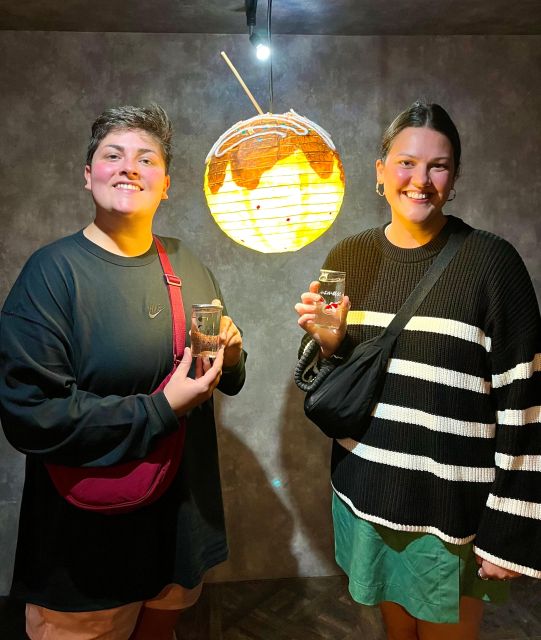
After the food is cooked, Momo moves into the sake lesson. She covers the history and culture of sake, the brewing process, and the main differences between styles. She also explains that the drink is more accurately called nihonshu in many contexts, a useful detail if you want to speak about it more precisely in Japan.
The most useful part is the connection between production and taste. Instead of treating each bottle as an isolated sample, Momo helps you notice flavor, texture, and style. You learn how the way sake is made affects what reaches your glass.
This is not aimed only at serious drinkers. If you know very little about sake, the explanations give you a starting point. If you already enjoy wine or spirits, the tasting offers a way to compare how you notice subtle differences in a new drink.
Momo also explains sake grading and gives practical tips for choosing a bottle. That has value beyond the two-hour class. Sake menus in Japan can be difficult to read when you do not know the terminology, and a short lesson can make ordering much less intimidating.
I would not expect the class to turn you into a sake professional in one sitting. You will not learn every regional style or brewing method. You should expect a clear foundation, tasting practice, and better confidence when choosing a drink at a bar or restaurant.
More cooking and drinking classes around Osaka:
- Osaka: Okonomiyaki Cooking Class with Beer or Soft Drink
★ 4.9 · 9 reviews - Paella Cooking Class in Madrid with Bottomless Wine Pairing
★ 5.0 · 985 reviews - Taste of Spain: Tapas Cooking Class with Bottomless Wine Pairing
★ 5.0 · 414 reviews - Ramen and Sushi Cooking Class with Sake Pairing Set in Tokyo
★ 5.0 · 291 reviews
Tasting seasonal bottles instead of one standard flight
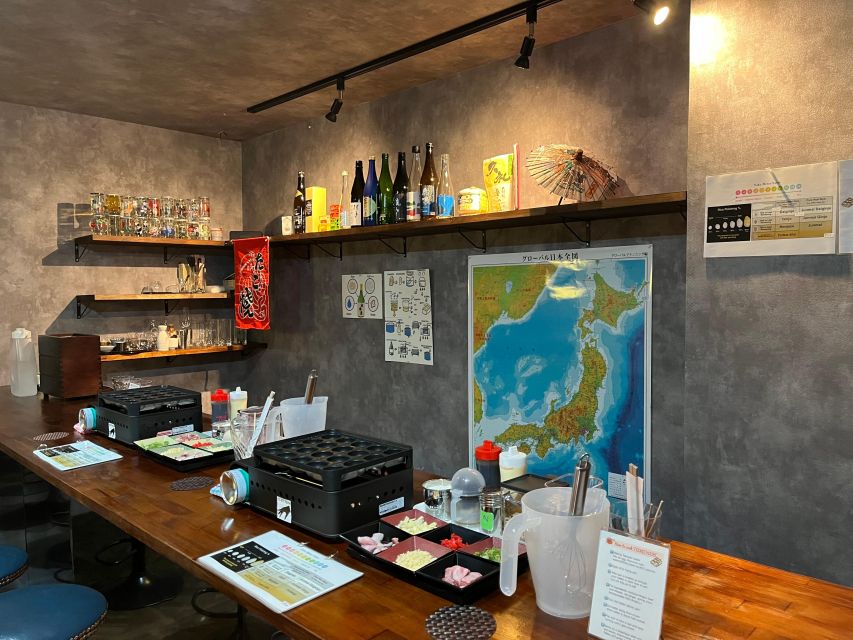
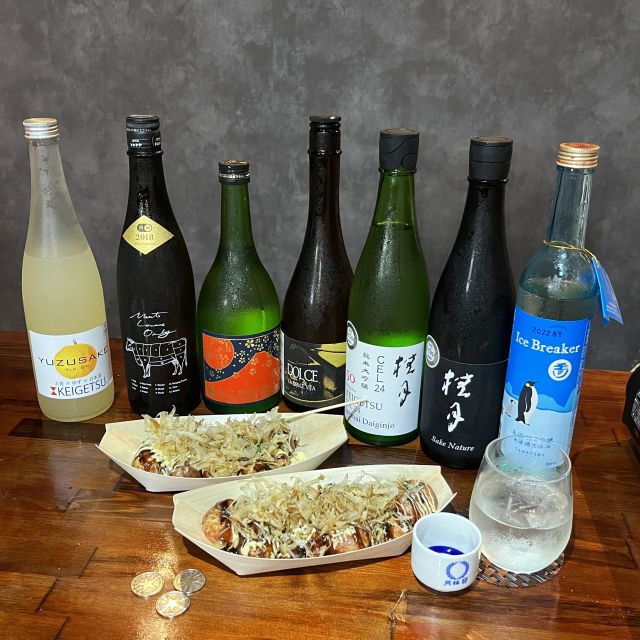
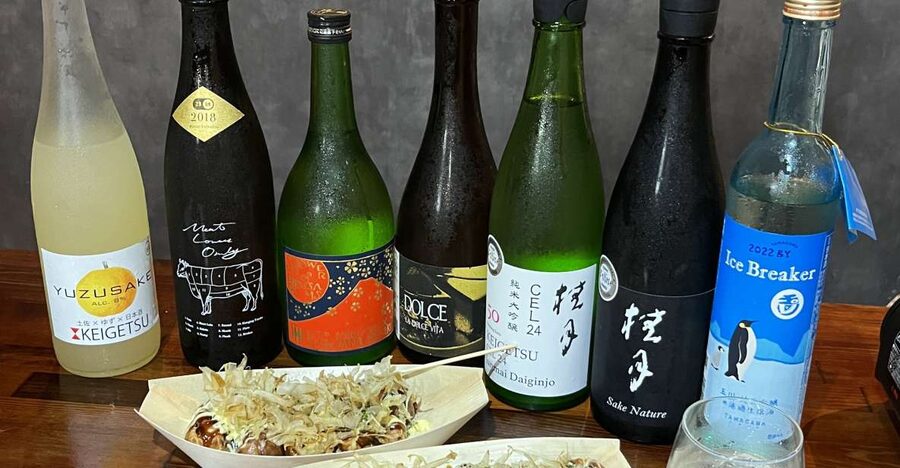
More than 10 types of Japanese sake are available, with the selection chosen from a seasonal menu. This gives Momo room to match the tasting to the group and to the bottles available at the time.
The selection is a major strength because sake can vary widely. Some bottles may suit people who prefer lighter or more delicate flavors, while others may appeal to those who like fuller or more distinctive drinks. Momo helps you identify your own preferences rather than telling you which bottle is best.
The exact number you taste is not fixed in the information provided. Several sessions included generous pours of around seven or eight sakes, but you should treat that as an indication rather than a guarantee. The advertised feature is access to more than 10 types, not a promise that every bottle will be poured for every booking.
That distinction matters. If you are expecting tiny ceremonial sips, the class may feel more substantial than expected. Several sessions included enough sake that participants left feeling well supplied. Pace yourself, drink water, and remember that the purpose is to compare styles, not simply to collect pours.
Soft drinks are included, which helps mixed groups. Children and non-drinkers can take part in the cooking and use the sake lesson as a cultural activity without drinking alcohol. The class has worked well for families, although the exact food and drink arrangements should be confirmed if your group has special needs.
What the $70 price really covers
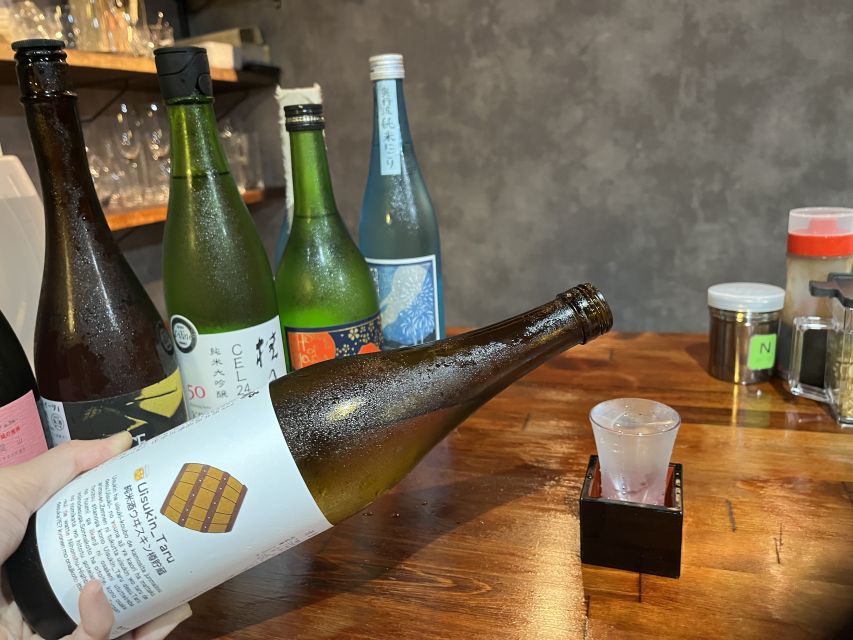
At $70 per person, this is not the cheapest way to eat takoyaki in Osaka. A street stall will cost far less, and you can buy a bottle of sake without booking a class. The value comes from combining food, instruction, tasting, and personal guidance in a two-hour session.
Your fee includes all cooking ingredients, cooking instruction, more than 10 sake choices, soft drinks, and an English-speaking local sake specialist. You are also paying for the chance to ask questions and receive help choosing styles that fit your taste.
For a first visit to Osaka, I think the price is reasonable if you want an activity rather than just a meal. It works especially well as an early Osaka booking because you can use the sake advice during the rest of your trip. You may feel more comfortable ordering at a sake bar afterward, and you will have a better idea of what you like.
The value is weaker if you do not drink alcohol or already have strong sake knowledge. In that case, the cooking lesson remains enjoyable, but part of the price is tied to the tasting and instruction. It is also not a class built around taking home a large amount of food. You eat what you make during the session.
How long the evening feels
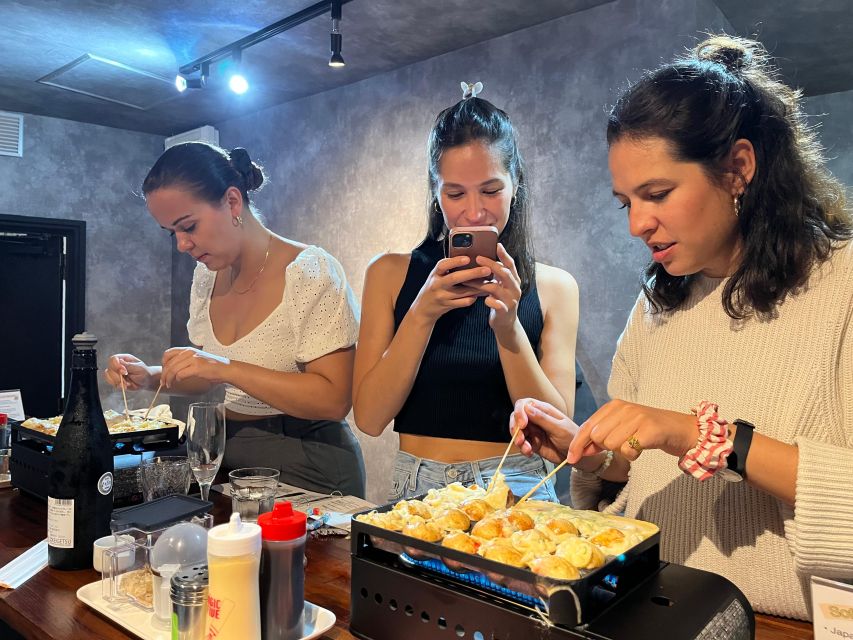
The advertised duration is two hours. That is enough time for the food preparation, cooking, sake discussion, tasting, and a final meal without turning the activity into a full-day commitment.
The order is important. You cook first, then enjoy the sake with your finished takoyaki. This keeps the practical work at the beginning, when you are freshest, and the tasting at the end, when you can relax.
Some sessions have included dessert, snacks, and water, but these should be viewed as possible extras rather than guaranteed parts of the published inclusions. The confirmed inclusions are the cooking ingredients, instructions, sake, soft drinks, and English-speaking guide.
The class can fit neatly before or after an evening in Namba. Since the meeting point is in the main Osaka area, you do not need to spend a large part of your day reaching it. Still, allow time to find the correct building and second-floor entrance, especially if you are arriving during a busy evening.
Who will enjoy this class most
I would recommend it most strongly to people who want a friendly introduction to Osaka food and Japanese sake in one sitting. It suits couples, solo visitors, small friend groups, and families with adults who want to drink while children choose soft drinks.
It is also a good match for curious eaters who want to do more than photograph street food. You learn why takoyaki is so tied to Osaka, then gain a practical skill you can recognize when you see it prepared elsewhere.
The class is less suited to anyone looking for a quiet, formal tasting. Cooking involves movement, conversation, and the occasional lopsided takoyaki. It is also not ideal if you want an alcohol-free event, although non-drinkers can still take part in the cooking and use the soft drinks.
Arrive hungry, but do not arrive expecting to rush through a checklist. The best part is the interaction with Momo, the questions, and the chance to shape the tasting around your own preferences.
Booking details worth knowing
You can cancel up to 24 hours in advance for a full refund. You can also reserve now and pay later, which helps if your Osaka schedule is still shifting.
The activity is offered in English and Japanese. The group is limited to six participants, and starting times vary, so check availability for the date you want.
MOMO to SAKE is the meeting point, on the second floor of the building. Bring your appetite, and if you have allergies, coeliac disease, or food restrictions, raise them before the cooking begins so the provider can confirm what can be changed.
Should you book Osaka Sake Tasting with Takoyaki Cooking?
Yes, if you want a personal, hands-on Osaka activity that teaches you something useful for the rest of your Japan trip. The strongest reasons to book are Momo’s clear sake instruction, the small group size, and the fact that you actually cook the takoyaki instead of merely watching.
Book with realistic expectations. The sake menu is seasonal, the number of pours can vary, and the alcohol servings may be more generous than the word tasting suggests. If you pace yourself and arrive hungry, the $70 fee buys a sociable meal, a cooking lesson, and a practical introduction to Japanese sake in one compact evening.
FAQ
Where does the Osaka Sake Tasting with Takoyaki Cooking take place?
The meeting point is MOMO to SAKE, located on the second floor of the building in Osaka.
How long does the activity last?
The experience lasts two hours.
How many people can join the class?
The group is limited to six participants.
What languages are available?
The instructor offers the activity in English and Japanese.
How many types of sake can I try?
More than 10 types of Japanese sake are available from a seasonal menu. The exact number poured during your session can vary.
Are soft drinks included?
Yes. Soft drinks are included along with the sake selection.
Can I cancel for a full refund?
Yes. You can cancel up to 24 hours in advance for a full refund.
Just added around Osaka
- Same Day OK! Osaka: Local Food, Izakaya & Local Bites Tour!★ 4.8 · 17 reviews
- Osaka: Unforgettable Bar Hopping in Kyobashi!★ 5.0 · 4 reviews
- 3.5h Osaka Night guided Local Bar Hopping, Sake & Karaoke★ 5.0 · 27 reviews
- Osaka: Okonomiyaki Cooking Class with Beer or Soft Drink★ 4.9 · 9 reviews
- Osaka: Bar-Hopping Night Tour in Namba★ 4.7 · 117 reviews
- Osaka: Cooking Class & Sake Tasting with Local Market Visit★ 4.8 · 31 reviews
- Osaka Bar Hopping | Explore Hidden Bars & Izakayas in Namba★ 4.7 · 18 reviews
- Bar hopping: Create lasting memories with TOMODACHI guides!★ 5.0 · 4 reviews
Sake Tasting, compared.
Best of Shinjuku: Izakaya Food Tour (4 Stops, 14+ Tastings)
Read our review →
Shinjuku Local Bar and Izakaya Guided Walking Tour
Read our review →
1-Day Snow Monkeys, Zenko-ji Temple & Sake in Nagano
Read our review →
3-Hour Kyoto Insider Sake Brewery Tour with Tastings & Pairings
Read our review →

Nagano: Snow Monkeys, Zenkoji Temple & Sake Day Trip
Read our review →
Insider Sake Brewery Tour with Sake and Food Pairing
Read our review →Browse the lists this tour appears in