
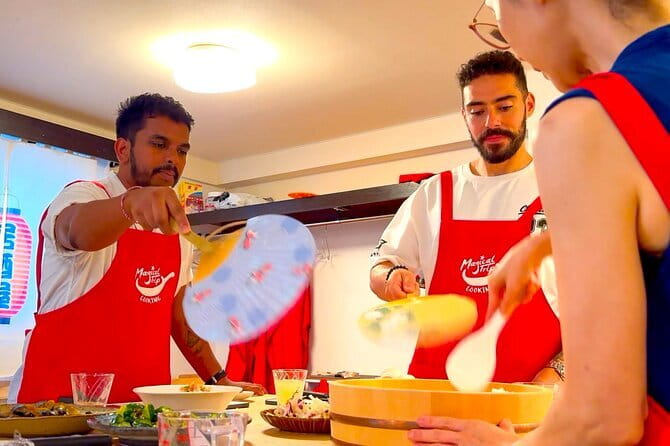
REVIEW · TOKYO BOOZY TOURS
Tokyo: Night Cooking Class: 5 Home-Cooked Japanese Dishes
Come hungry, leave with recipes. This three-hour evening class brings you into Japanese home drinking culture through small plates, cooking practice, and drink pairings. I like the small group of six and the chance to prepare food you can make again at home, using ingredients available outside Japan. I also like that the class is social without being a formal restaurant lesson.
The main consideration is the menu and age policy. The experience is promoted as five dishes, but the included hands-on list names four main preparations, and some steps use knives or heat. Children under 12 are not considered suitable, even though participants from age six may attend under specific supervision rules.
What makes this class worth your evening
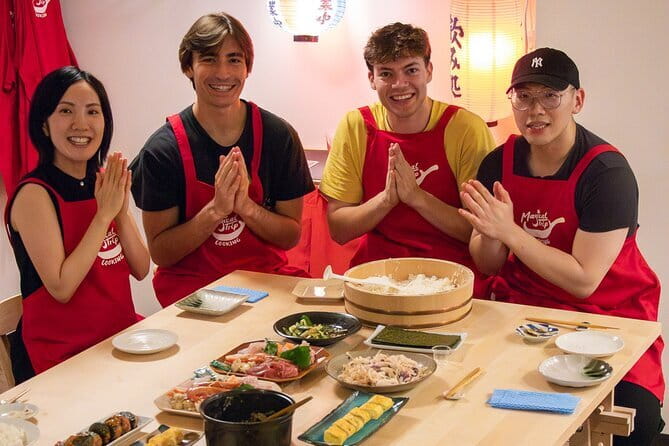
- You cook izakaya-style food: Small plates are designed to sit beside beer, sake, or soft drinks, rather than arrive as one large meal.
- The recipes are practical: Sushi hand rolls, wagyu or tofu steak, rolled egg, and miso eggplant use techniques you can repeat at home.
- The group is limited to six: A small class gives you a better chance to ask questions and get help with hot pans and knives.
- You receive three drinks: The package includes three cans of alcoholic or soft drinks, useful for tasting pairings as you cook.
- The class explains home drinking culture: You learn how Japanese friends share food and drinks at a casual nomikai.
- Guides add personality: Guides named Alice, Masae, and Fuji have led sessions praised for warmth, clear instruction, and a fun atmosphere.
Meeting at Iriya Station Exit 2
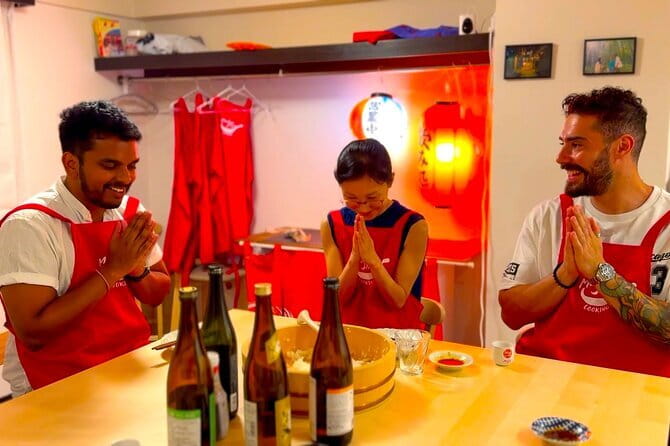
Your evening begins outside FamilyMart at Iriya Station Exit 2, in front of the branch next to Gindako takoyaki shop and Doutor Coffee. Take care here: there are two FamilyMart shops at Iriya Station, so the nearby Gindako and Doutor signs are your best landmarks.
This meeting point is practical, but it is also easy to get wrong if you simply search for FamilyMart. I would allow a few extra minutes to compare the shopfronts before the scheduled start. The activity does not include hotel pickup or drop-off, so you need to reach Iriya Station on your own.
From there, the class moves into a cooking setting for a three-hour evening session. The exact starting time depends on the date, so check availability before booking. Since this is a night activity, it fits well after sightseeing, but you should avoid planning a major late-night commitment afterward. Cooking, tasting, and conversation take time.
More cooking and drinking classes around Tokyo:
- Ramen and Sushi Cooking Class with Sake Pairing Set in Tokyo
★ 5.0 · 291 reviews - Tokyo Washoku 4-hour Cooking Class: From Market to Table
★ 5.0 · 253 reviews - Tokyo: Sushi and Ramen Cooking Class with Sake Pairing Set
★ 5.0 · 81 reviews
A small-group class with a social feel
The six-person limit is one of the strongest features here. A large cooking class can leave you watching someone else chop, stir, or season. In this format, you have a better shot at taking part and asking the guide why a technique works.
The social side matters just as much as the food. Japanese nomikai culture is built around shared dishes and drinks, with people ordering several small plates instead of one fixed meal. This class gives you a friendly version of that custom, with the added benefit of making the food yourself.
You might cook with a couple, solo participants, or another small group. That mix can make the evening lively, though it also means the class is not guaranteed to be private. One previous session was private with only three people, but you should treat that as a possibility, not a promise.
The atmosphere depends partly on your guide. Alice has been praised for making the night fun, while Masae has been described as warm and helpful during both a supermarket visit and the cooking session. Fuji has also led the class as an instructor. Guide assignments can change, but these details give you a sense of the personal tone the organizers aim for.
The menu: four named preparations, plus a fifth dish
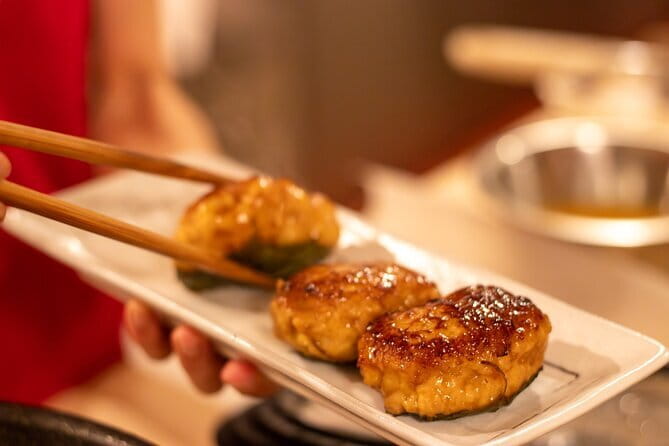
The class title promises five home-cooked Japanese dishes. The detailed included menu specifically names:
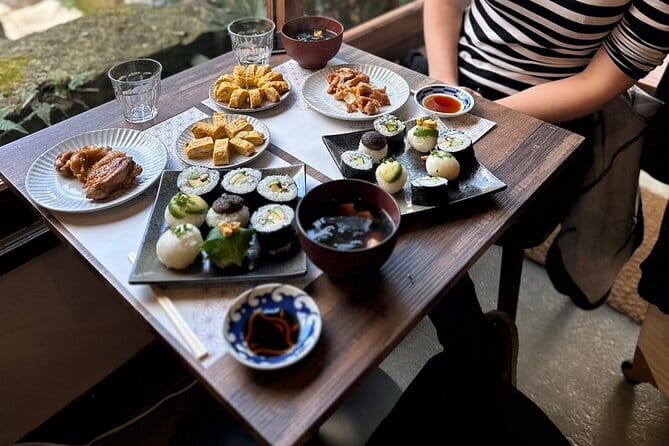
- Sushi hand roll
- Wagyu or tofu steak
- Japanese-style rolled egg
- Grilled eggplant with miso sauce
The wider description also refers to savory skewers, crispy tempura, tangy pickles, and other small dishes. Because the named list and the broader menu description do not match perfectly, I would ask what the fifth preparation will be when you arrive or before booking.
That small lack of clarity is worth noting, especially if you are choosing the class for one particular dish. Still, the listed recipes cover several useful Japanese cooking skills: rolling, pan cooking, grilling, seasoning with miso, and preparing food in small portions for sharing.
Sushi hand rolls
The hand roll is a good starting point because it feels approachable and social. Rather than requiring the precision of restaurant sushi, hand rolls let you assemble ingredients into a cone-shaped piece and eat it soon after preparation.
This part of the class should appeal to beginners. You learn how ingredients are combined and handled, then get a dish that works well for a casual home gathering. It also fits the class theme: food is prepared for immediate sharing, not presented as a formal course.
A few more boozy trips around Tokyo worth a look
- Tokyo: Sushi Cooking Class with Sake Tasting
★ 4.8 · 55 reviews - Paella Cooking Class in Madrid with Bottomless Wine Pairing
★ 5.0 · 985 reviews - Bruges: Belgian Waffle-Making Workshop with Beer Tasting
★ 4.9 · 960 reviews - Paella Workshop with Bottomless Sangria in Central Madrid
★ 5.0 · 763 reviews
Wagyu or tofu steak
The choice between wagyu and tofu gives the class some flexibility. Wagyu brings a special Japanese ingredient to the table, while tofu offers a vegetarian alternative. This is a useful distinction for couples or mixed groups who do not all eat meat.
The class is not suitable for vegans, and vegetarian participants need the ingredients and cooking process arranged in advance. If you want tofu, state that clearly when booking so the guide can prepare the appropriate option.
Japanese rolled egg
Japanese rolled omelette, often called tamagoyaki, looks simple but rewards careful technique. You build the egg in layers, rolling each cooked section before adding the next. It is one of the most useful dishes in the class because it works for breakfast, lunch boxes, or a small plate with drinks.
The process also shows why Japanese home cooking is not just about buying the right ingredients. Heat control and steady movement matter. A beginner may not produce a perfect rectangle on the first attempt, but that is part of the value of hands-on instruction.
Grilled eggplant with miso sauce
Eggplant with miso sauce brings a savory, sweet-salty flavor to the menu. It is a strong home-cooking choice because the ingredients are familiar in many countries, while the seasoning gives the dish a clear Japanese character.
This is likely to be one of the easiest recipes to repeat after the trip. You receive recipes to take home, so you can use the class as a starting point for a Japanese-style meal rather than treating it as a one-night novelty.
How drinks shape the evening
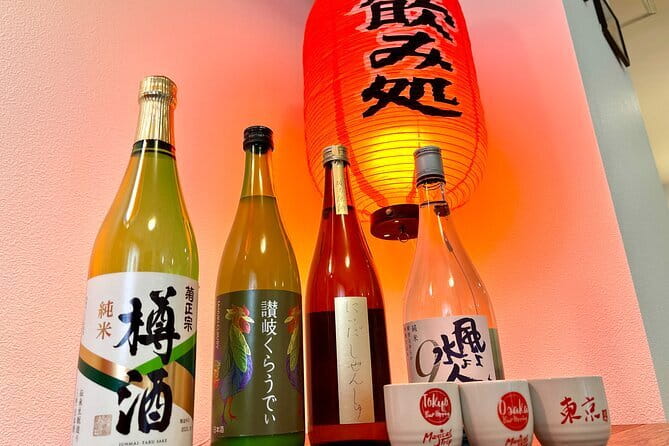
Three cans of alcoholic or soft drinks are included. Depending on your age and preference, these may support a tasting of beer, sake, or nonalcoholic options. Alcohol is available only to people aged 20 and over, as required by Japanese law.
The point is not simply to hand you a drink. The guide explains which beverages pair best with different dishes and how food supports Japanese home drinking. A salty or savory small plate can keep the drink going, while a lighter dish may work better with a less forceful pairing.
You do not need to be a sake expert. That is part of the appeal. The class gives you a casual introduction to pairings without turning the evening into a technical tasting. If you do not drink alcohol, soft drinks are included, so you can still take part in the cooking and food discussion.
Pregnant women are not suitable for this activity according to the provided restrictions. Anyone avoiding alcohol can choose soft drinks, but the class still centers on a drinking-party style of meal.
What you actually learn
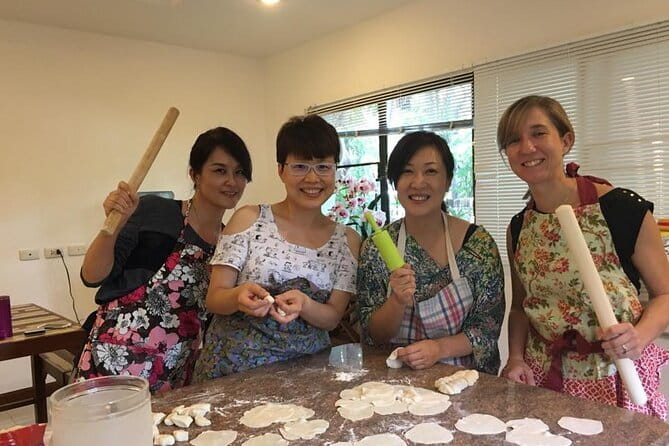
The best value here is not the food you eat during the class. It is the set of methods you can use later. The recipes are chosen with home cooks in mind, and the ingredients are described as available in your home country.
You can expect instruction around:
- Preparing food in small portions for sharing
- Making a Japanese rolled egg
- Cooking wagyu or tofu as a main small plate
- Using miso as a sauce for grilled eggplant
- Making sushi hand rolls
- Matching food with Japanese drinks
The class also gives you cultural context. You learn why an evening meal can be built around several shared dishes and how a nomikai differs from a standard restaurant dinner. That makes the cooking more useful: you are learning a way of hosting, not just a list of recipes.
A supermarket visit has also been part of at least one session, with Masae taking the group to a local supermarket before cooking. Do not assume this is included every time, since the formal inclusions list does not promise it. If it happens, it can be a helpful way to see the ingredients before they reach the kitchen.
Is $103 a fair price?
At $103 per person, this is not the cheapest cooking lesson in Tokyo. The price becomes easier to justify when you count the three-hour length, all ingredients, cooking equipment, three drinks, recipes, a local English-speaking guide, and tour photos.
The group limit also matters. You are paying for guided participation rather than simply watching a demonstration. The value is strongest if you want to learn dishes you can recreate at home and enjoy a social evening with food and drinks.
The price may feel high if your main goal is a large dinner. This is not presented as a multi-course restaurant meal, and the food is prepared as small plates. You are paying for instruction, cultural explanation, and the shared activity as much as for the meal itself.
I would compare it with the cost of a good Tokyo dinner plus a separate activity. If you already plan to eat out, this class gives you both food and a structured cultural experience. If you want a quiet meal or a serious professional cooking course, another option may suit you better.
Age, dietary, and access details
The stated minimum age is six, but children under 12 are listed as not suitable. The practical rule is clear: anyone under 12 cannot take part in knife or hot cooking steps, while participants aged 12 and above may handle those tasks under a parent or guardian’s supervision when required.
Families should also know that a kids’ playroom is available. That can help keep younger children occupied, but it does not turn the class into a child-focused activity. The cooking remains the main event.
Vegetarians are welcome, with ingredients and cooking steps arranged for them. Vegans and people requiring gluten-free food cannot be accommodated. Allergy-free preparation is not guaranteed, and substitutions may not always be possible. If you have a serious allergy or strict dietary need, this is a reason to skip the class or confirm directly before paying.
Some parts of the itinerary are not accessible by wheelchair or stroller. Smoking is not allowed.
Who will enjoy this Tokyo evening?
I would recommend this class to you if you enjoy learning through food rather than only eating it. It works particularly well for couples, friends, solo visitors who like meeting people, and sake or Japanese beer fans who want some context with their drink.
Beginners should feel comfortable. The class is not limited to experienced cooks, and the small format gives you a better chance to receive help. You also leave with recipes, which turns the evening into something you can continue at home.
Vegetarians can consider it after arranging the right ingredients. Families need to read the age rules carefully. The class is a poor match for vegans, people who need gluten-free food, anyone with serious allergies, and visitors using a wheelchair or stroller.
The strongest praise has gone to the guides and the atmosphere. Alice, Masae, and Fuji have each been associated with friendly instruction, good explanations, and an enjoyable evening. That human element matters. A cooking class can have a perfect menu and still feel flat if the guide rushes people. Here, the available feedback points to warm teaching as a major strength.
Should you book this cooking class?
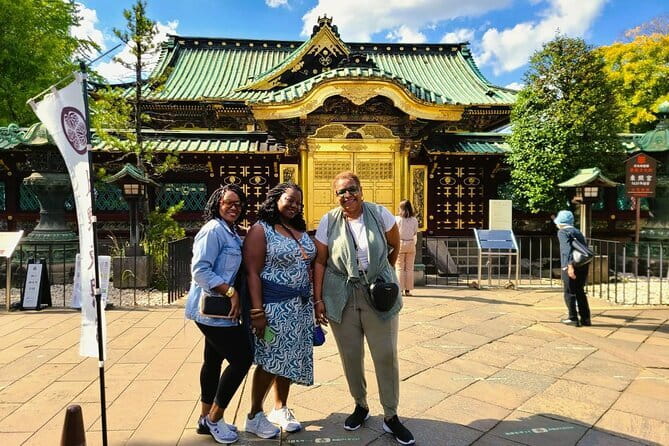
Book it if you want a friendly, hands-on introduction to Japanese home cooking, especially if you like small plates and drinks more than a formal sit-down dinner. The small group, recipes, three included drinks, and cultural explanation make the $103 price reasonable for the right audience.
Before booking, confirm the exact fifth dish, tell the organizer if you want tofu, and check the age and dietary rules. Meet at the correct FamilyMart beside Gindako and Doutor at Iriya Exit 2, not simply any FamilyMart near the station.
Skip it if you need vegan or gluten-free food, require fully accessible facilities, or want a guaranteed private class. For everyone else, this is a practical and sociable way to spend three hours learning food you can bring home.
FAQ
Where does the cooking class meet?
Meet in front of the FamilyMart next to Gindako takoyaki shop and Doutor Coffee at Iriya Station Exit 2. There are two FamilyMart shops at Iriya Station, so use the Gindako and Doutor signs to find the correct one.
How long does the experience last?
The cooking class lasts three hours. Starting times vary by date, so check availability when selecting your booking.
How many people are in the group?
The group is limited to six participants. A private session is possible, but it is not guaranteed.
Which dishes are included?
The hands-on menu includes a sushi hand roll, wagyu or tofu steak, Japanese-style rolled egg, and grilled eggplant with miso sauce. The experience is promoted as five dishes, so ask about the fifth preparation if that detail matters to you.
Are drinks included?
Yes. Three cans of alcoholic or soft drinks are included. The class also explains drink pairings and Japanese home drinking culture.
Can vegetarians join?
Yes. Vegetarian participants are welcome, but the ingredients and cooking process should be arranged in advance.
Can vegans or people who need gluten-free food join?
No. The experience is not available for vegans or people requiring gluten-free food. Allergy-free preparation also cannot be guaranteed.
What is the cancellation policy?
You can cancel up to 24 hours in advance for a full refund. You can also reserve now and pay later, keeping your plans flexible.
Just added around Tokyo
- Tokyo: Toshimaya Sake Brewery Tour with Sake Tasting★ 5.0 · 6 reviews
- Tokyo: Sushi Cooking Class with Sake Tasting★ 4.8 · 55 reviews
- Tokyo: The Best Izakaya Tour in Shibuya★ 4.7 · 15 reviews
- Tokyo: Shinjuku Izakaya and Golden Gai Bar Hopping Tour (2h)★ 4.9 · 67 reviews
- Tokyo: Shinjuku Nightlife Tour with Karaoke and Bar Hopping★ 4.1 · 4 reviews
- Tokyo: Sushi and Ramen Cooking Class with Sake Pairing Set★ 5.0 · 81 reviews
- Tokyo: Shinjuku Hidden Japanese Bar Tour (Neon Light City)★ 5.0 · 4 reviews
- Tokyo: Shinjuku Golden Gai Bar Hopping that only locals know★ 5.0 · 5 reviews
Cooking Classes, compared.

Paella Cooking Class in Madrid with Bottomless Wine Pairing
Read our review →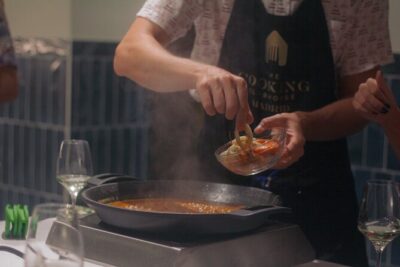
Taste of Spain: Tapas Cooking Class with Bottomless Wine Pairing
Read our review →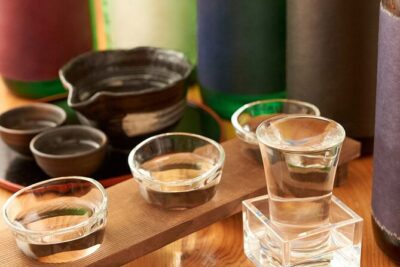
Ramen and Sushi Cooking Class with Sake Pairing Set in Tokyo
Read our review →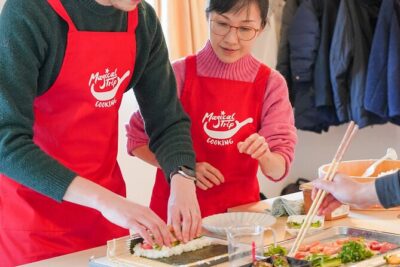
Tokyo Washoku 4-hour Cooking Class: From Market to Table
Read our review →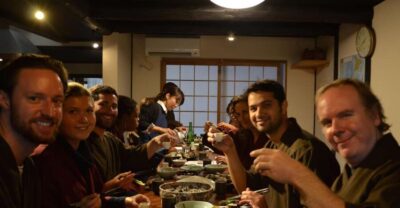

Sushi and Ramen Cooking Class with Sake Pairing Set
Read our review →Browse the lists this tour appears in