
REVIEW · TOKYO BOOZY TOURS
Tokyo Washoku 4-hour Cooking Class: From Market to Table
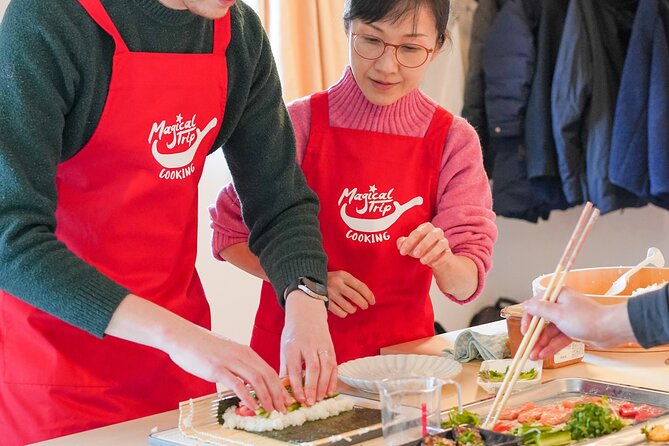
Start with a supermarket, not a classroom. This four-hour Tokyo cooking class takes you from a local shop near Iriya Station to a well-equipped cooking studio, where you prepare makisushi, miso soup, dashimaki tamago, and grilled eggplant. I like the practical shopping lesson, and I like that you do the cutting and cooking yourself rather than simply watching a demonstration. The main thing to consider is the strict start time: more than five minutes late without contact can mean missing the class with no refund.
The class costs $79.59 per person, which is fair for a small-group experience with food, instruction, recipes, and drinks included in the activity. A maximum of seven people keeps the session personal, though you may share the kitchen with others. Guides such as April, Yuri, Alice, Mihori, Taka, and Suzy have received particular praise for their patience, clear teaching, and warm conversation.
This is a good pick if you want Japanese food you can make again at home. It is less suited to anyone hoping for a quiet sightseeing tour or a restaurant-style meal with no work involved. You will shop, chop, roll, stir, cook, eat, and ask plenty of questions.
Key points at a glance
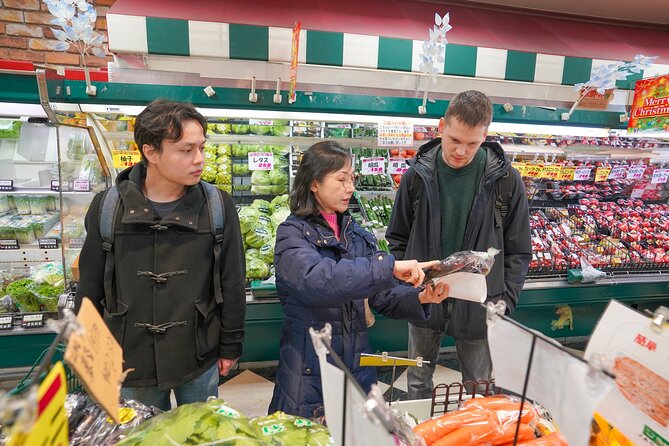
- The supermarket visit comes first: Learn how to choose Japanese ingredients with help from your guide before cooking begins.
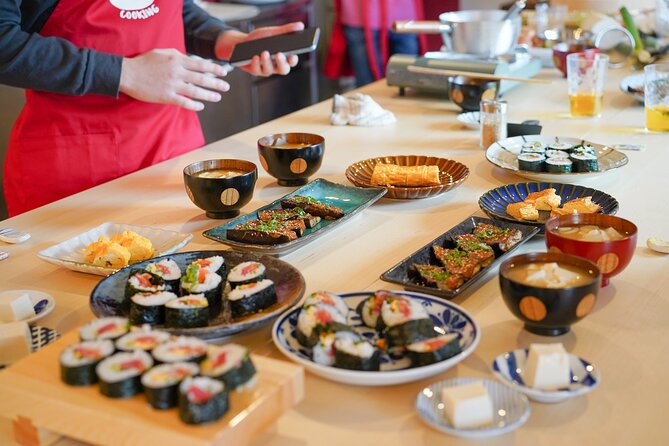
- Four classic dishes are prepared from scratch: Make makisushi, miso soup, dashimaki tamago, and nasu dengaku.
- The class is genuinely hands-on: You practice knife skills, cutting methods, rolling, grilling, and other home-cooking techniques.
- The group is capped at seven people: This gives you a better chance to ask questions and receive help.
- Sake and beer may accompany the meal: The drink tasting adds a social touch to the cooking session.
- Recipes go home with you: You can try the dishes again after leaving Tokyo.
Meeting your guide near Iriya Station
The class begins at 10:00 am at FamilyMart, 2-chōme-1-10 Shitaya, Taito City, Tokyo 110-0004. This is near public transportation, but you should still allow extra time to find the exact meeting point. Tokyo addresses can be confusing, and a rushed arrival is a poor way to begin a cooking lesson.
The meeting point is useful because it puts you in an ordinary neighborhood setting rather than inside a tourist attraction. You begin with daily Japanese life, then move into food preparation. The experience ends back at the cooking studio, so you do not need to find your way to a second part of the city afterward.
Punctuality matters here. The group leaves on time, and if you are more than five minutes late without contacting the operator, it is treated as a cancellation. I would plan to arrive early, especially if this is your first morning in the area.
More cooking and drinking classes around Tokyo:
- Ramen and Sushi Cooking Class with Sake Pairing Set in Tokyo
★ 5.0 · 291 reviews - Tokyo: Sushi and Ramen Cooking Class with Sake Pairing Set
★ 5.0 · 81 reviews - Tokyo: Sushi Cooking Class with Sake Tasting
★ 4.8 · 55 reviews
Shopping like a local at the supermarket
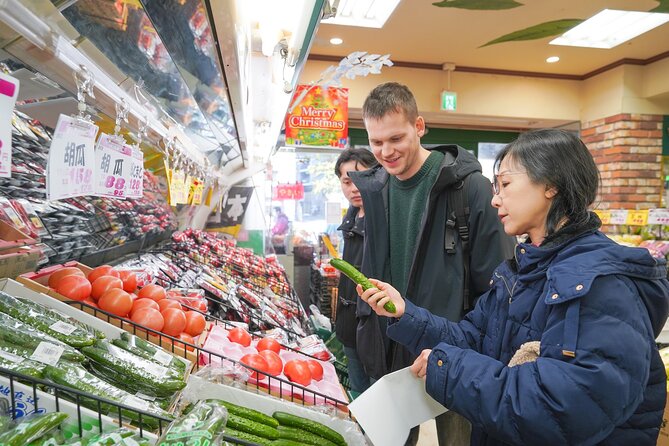
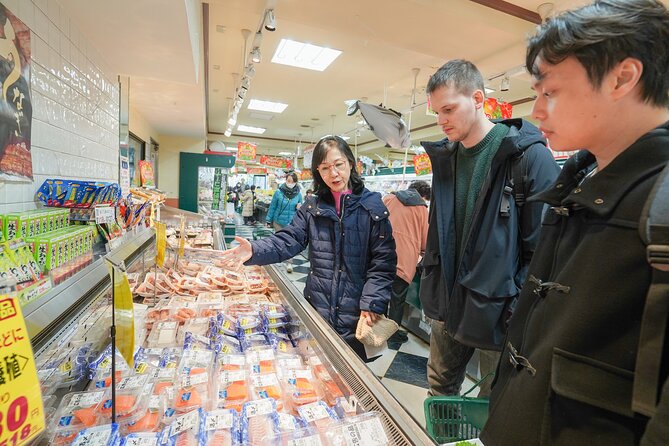
The first stop is a local supermarket near Iriya Station. This is one of the best parts of the experience because it gives meaning to the ingredients you later use. Instead of arriving at a kitchen with bowls of mystery vegetables, you see the products in their normal setting and learn how a Japanese shopper might choose them.
Your guide explains how to select ingredients and points out Japanese vegetables, meat, seasonings, and other products. The exact shopping route and products can vary, but the purpose is clear: you learn what to look for before you cook. This is especially useful if you plan to visit Japanese supermarkets on your own later in the trip.
The supermarket visit also gives you a chance to ask practical questions. You might ask about unfamiliar labels, common ingredients, or how Japanese home cooks use a particular vegetable. Several guides have been praised for making this part informative without turning it into a formal lecture.
The drawback is that this stop is not a food market tour with tastings at every counter. It is a working supermarket visit tied to the cooking lesson. If you want a long food walk through specialist shops, this class will feel more focused and compact.
Walking from ingredients to the cooking studio
After shopping, you walk to a dedicated cooking studio. The studio has been described as spacious and well set up, which matters when several people are working with knives, pans, bowls, and ingredients at the same time.
The group can include up to seven people. That is small enough for the guide to watch your technique and answer questions, but it is not a private lesson by default. You may cook with people from different countries, adding a social element to the meal.
This shared setting works well for families and couples who enjoy learning together. Two teenagers, for example, were able to take part in the chopping, cooking, and eating. The class also suits solo participants who like meeting people during a practical activity.
You should expect a friendly group atmosphere, not silent one-on-one coaching. Guides such as Alice and Masai have been praised for cheerful conversation and for sharing stories while everyone worked. That informal talk can be one of the nicest ways to learn about daily life in Japan.
Making makisushi, miso soup, and Japanese home dishes
The cooking portion covers a full meal rather than a single specialty. You prepare makisushi, miso soup, dashimaki tamago, and nasu dengaku, also described as grilled eggplant skewers. The dishes give you a useful range of techniques.
More market and tasting walks around Tokyo:
- Cancun Taco Tour, Local Beer and Night Market with Transportation
★ 5.0 · 816 reviews - Interactive Paella & Market: Bottomless Wine & Rambla Views
★ 5.0 · 376 reviews - Manavgat Cruise & Grand Bazaar w/Lunch and Unlimited Drinks
★ 3.8 · 71 reviews - Manavgat River Cruise, Waterfalls and Market Tour from Belek
★ 4.0 · 41 reviews
Makisushi
Rolling sushi is more demanding than it looks. The class lets you practice handling the rice and fillings, placing ingredients, and rolling the maki neatly. You receive guidance as you work, so you are not left to guess how tightly to roll or how to cut the finished sushi.
This is a good dish to learn because it can be repeated at home with ingredients that are easier to find outside Japan. Your final rolls may not look perfect, but the point is learning a method you can use again.
Miso soup
Miso soup is simple on the surface, yet small choices affect its flavor. You learn how it fits into a Japanese meal and how the ingredients come together. One participant called the finished soup the best miso soup they had eaten, which suggests this dish can be a real highlight of the meal.
The value here is not only the recipe. You begin to understand how a basic Japanese home dish is built, seasoned, and served.
Dashimaki tamago
Dashimaki tamago is a rolled Japanese omelet with a soft texture and a distinctive layered shape. It requires control with the pan and care when rolling. The instructor demonstrates the process, then gives you a chance to practice it yourself.
If you cannot eat eggs, the food selection is reduced from four types to three. Tell the operator about this and any other dietary needs at least one day before the class. Requests made on the day cannot be accommodated.
Nasu dengaku
Nasu dengaku brings eggplant into the meal in a different way. You prepare and grill it as part of the hands-on cooking process. This is the sort of dish that helps you see how Japanese cooking uses a small set of ingredients in several distinct ways.
The recipes are not presented as restaurant secrets that stay in Tokyo. You receive them to take home, which makes the class more useful after your holiday ends.
Learning knives and cooking methods
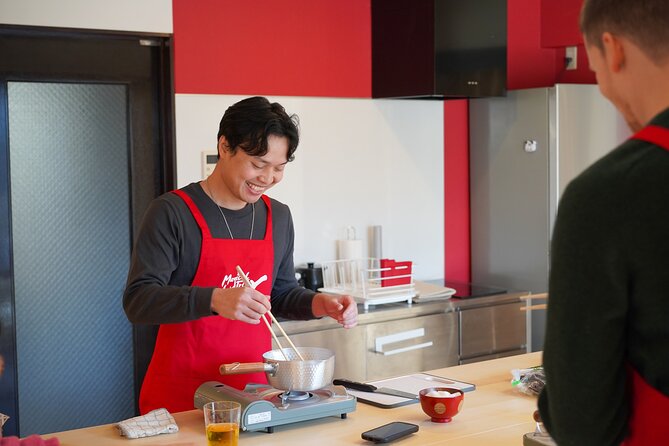
A major strength of this class is the amount of work placed in your hands. You practice traditional Japanese knife and cooking techniques rather than sitting back while a guide does everything.
Your guide covers cutting methods, preparation, and cooking steps as you move through the dishes. The pace allows questions, and the class can be adjusted to your needs within the limits of the menu and group schedule.
The teaching quality depends partly on your guide, but the named instructors have received strong praise. Yuri was described as patient and detailed. Suzy was praised for clear English and a personable manner. Mihori received credit for strong instructions and light conversation, while Nigiri was appreciated for sharing information about cooking ingredients.
You do not need to arrive as a skilled cook. The class is designed for participation, and the guides encourage you as you work. Still, you should be comfortable standing, handling kitchen tools, and taking part in several preparation steps.
Eating together with sake and beer
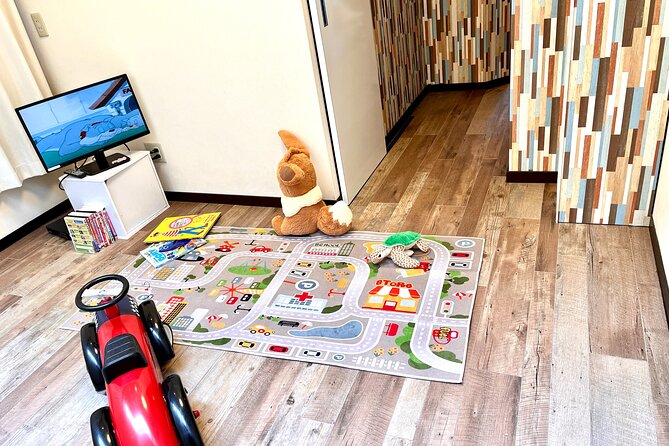
Once the food is ready, you sit down and eat together. The meal is a natural reward for the work, but it also lets you compare the finished dishes and discuss how they were made.
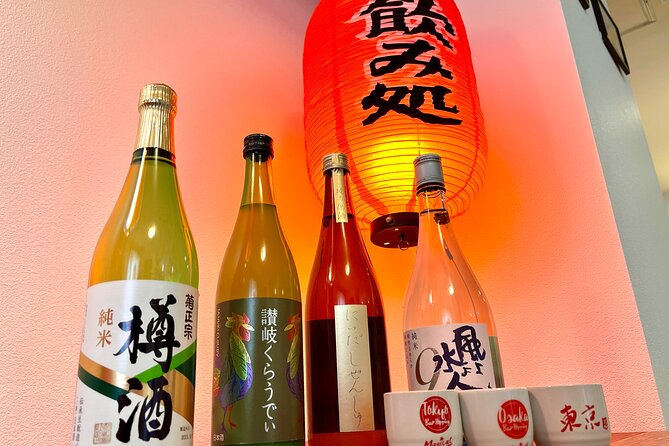
Beer and sake tasting may be part of the session. This gives you a chance to try drink pairings with the food rather than treating the meal as a separate restaurant stop. It also adds a relaxed social rhythm after the more focused cooking.
Alcohol is not the only point of the meal. You can ask about Japanese food customs, ingredients, and everyday life in Tokyo while you eat. One class was described as a useful place to ask questions about Tokyo life, which is valuable if this is early in your visit.
The class is not designed around a long tasting menu. You are eating what you cooked, and the pleasure comes from that connection. If you want a polished chef’s meal with no effort, book a restaurant instead. If you like the satisfaction of eating food you helped prepare, this format makes sense.
How much value do you get for $79.59?
At $79.59, this class sits in the reasonable range for a four-hour small-group activity in Tokyo. You are paying for more than the meal. The price covers the supermarket visit, instruction, ingredients, cooking space, the prepared dishes, recipes, and the chance to ask questions throughout the session.
The maximum group size of seven also improves the value. A large class might leave you watching from the back, but this format gives you a better chance to handle the ingredients and receive corrections.
The recipes add lasting value. A food tour ends when you leave, but this class gives you a way to repeat part of the experience at home. That is particularly helpful if you are trying to build a small collection of Japanese recipes rather than simply sample dishes for one afternoon.
The price may feel less attractive if you do not enjoy cooking or cannot eat much of the menu. Dietary substitutions are handled when arranged ahead, but the operator cannot guarantee an allergy-free kitchen, and substitutions may not always be possible. Read the food details carefully before booking.
Who should book this cooking class?
I would recommend this activity to:
- First-time visitors who want a gentle introduction to Japanese food
- Families with older children or teenagers who enjoy practical activities
- Couples and friends who prefer doing something together rather than watching a show
- Solo visitors who like small-group classes and conversation
- Home cooks who want recipes they can repeat
- Anyone curious about Japanese supermarkets and ordinary ingredients
It is less suitable for someone with severe allergies who needs a fully controlled kitchen. The food is prepared in kitchens that do not belong to MagicalTrip, so allergy-free preparation cannot be guaranteed.
It may also be a poor fit if you dislike early starts, group activities, or strict schedules. The 10:00 am meeting time is manageable, but Tokyo mornings can take longer than expected when you are unfamiliar with the train system and street layout.
Planning your morning in Tokyo
Wear clothing that allows you to move comfortably and prepare for the weather. Tokyo can be very hot in summer, with highs reaching 40°C, while winter temperatures can fall as low as -5°C. The supermarket portion may be easier than outdoor sightseeing, but you still need to walk between the meeting point and studio.
Bring your mobile ticket and arrive early. Confirmation is provided when you book, and free date or time changes are available up to 24 hours before the start time. Cancellation at least 24 hours ahead qualifies for a full refund, while late cancellation and no-show situations do not.
After the class, you may visit Kappabashi Dougu Street on your own. The activity itself ends at the cooking studio, so treat Kappabashi as an optional add-on rather than part of the four-hour tour.
Should you book it?
Book this class if you want to understand Japanese food through action. The supermarket visit gives you useful context, the cooking keeps you involved, and the recipes make the experience useful after you return home. The instructors receive consistent praise for patience, humor, and clear explanations, with April, Yuri, Alice, Mihori, Masai, Taka, Suzy, and Nigiri all singled out for their teaching or company.
Skip it if you need a private class, have complex dietary restrictions, or want a relaxed meal with no preparation. For everyone else, the combination of shopping, cooking, eating, and conversation offers strong value at $79.59. Just arrive early, tell the operator about food needs the day before, and come ready to use your hands.
FAQ
Where does the cooking class begin?
The class begins at 10:00 am at FamilyMart, 2-chōme-1-10 Shitaya, Taito City, Tokyo 110-0004, Japan, near Iriya Station.
How long does the activity last?
The cooking experience lasts approximately four hours.
What dishes will I prepare?
You prepare makisushi, miso soup, dashimaki tamago, and nasu dengaku, or grilled eggplant skewers.
Is the class suitable for vegetarians and vegans?
Vegan and vegetarian participants are welcome, but you must provide dietary information at least one day before the class so ingredients and cooking steps can be arranged.
What happens if I cannot eat eggs?
Your food selection is reduced from four types to three. You should notify the operator about this dietary need at least one day before the activity.
Can I cancel for a full refund?
Yes. You can cancel at least 24 hours before the start time for a full refund. Cancellations made less than 24 hours before the activity are not refundable.
More Workshops in Tokyo
- Tokyo: Night Cooking Class: 5 Home-Cooked Japanese Dishes
★ 4.9 · 13 reviews - Paella Cooking Class in Madrid with Bottomless Wine Pairing
★ 5.0 · 985 reviews - Bruges: Belgian Waffle-Making Workshop with Beer Tasting
★ 4.9 · 960 reviews - Paella Workshop with Bottomless Sangria in Central Madrid
★ 5.0 · 763 reviews
More Shopping Tours in Tokyo
- “Discover Hahndorf: Wine, Cheese, Beer, Shops & Lunch Day Trip”
★ 5.0 · 38 reviews - Osaka: Cooking Class & Sake Tasting with Local Market Visit
★ 4.8 · 31 reviews - Self-Guided Craft Beer Tour (Explore Old Market)
★ 4.5 · 19 reviews - Bristol: Old Market Self-Guided Craft Beer Tour
★ 4.6 · 11 reviews
Just added around Tokyo
- Tokyo: Toshimaya Sake Brewery Tour with Sake Tasting★ 5.0 · 6 reviews
- Tokyo: Sushi Cooking Class with Sake Tasting★ 4.8 · 55 reviews
- Tokyo: The Best Izakaya Tour in Shibuya★ 4.7 · 15 reviews
- Tokyo: Shinjuku Izakaya and Golden Gai Bar Hopping Tour (2h)★ 4.9 · 67 reviews
- Tokyo: Shinjuku Nightlife Tour with Karaoke and Bar Hopping★ 4.1 · 4 reviews
- Tokyo: Sushi and Ramen Cooking Class with Sake Pairing Set★ 5.0 · 81 reviews
- Tokyo: Shinjuku Hidden Japanese Bar Tour (Neon Light City)★ 5.0 · 4 reviews
- Tokyo: Shinjuku Golden Gai Bar Hopping that only locals know★ 5.0 · 5 reviews
Markets, compared.
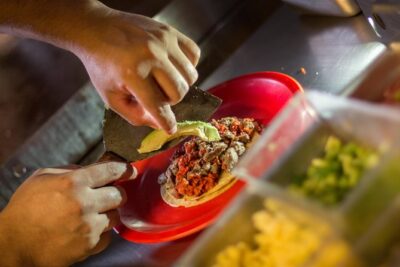
Cancun Taco Tour, Local Beer and Night Market with Transportation
Read our review →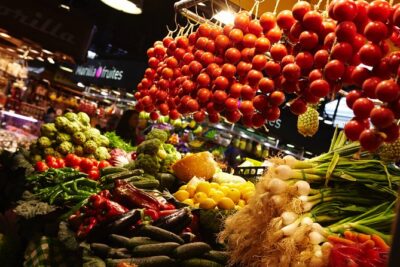
Interactive Paella & Market: Bottomless Wine & Rambla Views
Read our review →
Manavgat Cruise & Grand Bazaar w/Lunch and Unlimited Drinks
Read our review →
Manavgat River Cruise, Waterfalls and Market Tour from Belek
Read our review →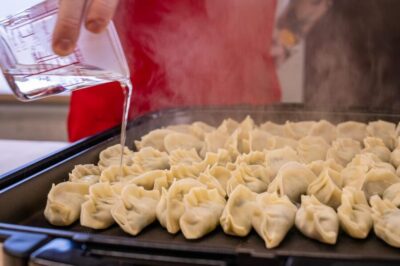
Cooking Class & Sake Tasting with Local Market Visit
Read our review →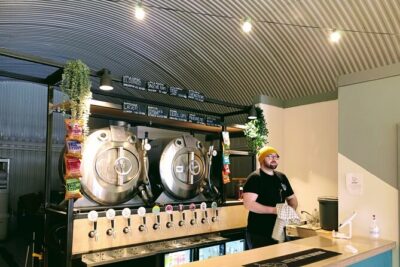
Self-Guided Craft Beer Tour (Explore Old Market)
Read our review →

Hokkaido Sapporo :Hill of Buddha, Beer Museum & Fish Market
Read our review →Browse the lists this tour appears in